

Things I Wish I Knew Before Visiting Rwanda
Rwanda is a destination that often exceeds expectations, but it also comes with a level of structure, planning, and intensity that many first, time visitors do not anticipate. While it is widely known for gorilla trekking, clean cities, and scenic landscapes, the reality on the ground is more nuanced. There are many small but important details that, if understood in advance, can significantly improve your experience and help you plan a smoother and more rewarding trip.
This guide is based on practical travel realities that many visitors only fully appreciate after arriving. It is not just about what to see, but how Rwanda actually works as a travel destination.
Rwanda Operates With Exceptional Order and Discipline
One of the first things that becomes immediately clear upon arrival is that Rwanda is a highly organized country. Everything feels structured, regulated, and carefully managed. Unlike many other safari destinations where schedules can be flexible, Rwanda runs on strict timing.
Transfers, park activities, hotel check-ins, and guided excursions all tend to operate on precise schedules. If a pickup is arranged for a specific time, it is expected that you are ready and waiting. Delays are not common and can sometimes result in missed activities, particularly for time-sensitive experiences such as gorilla trekking briefings.
This level of discipline extends beyond tourism. Even everyday activities in cities and towns follow predictable patterns, and there is a strong culture of punctuality.
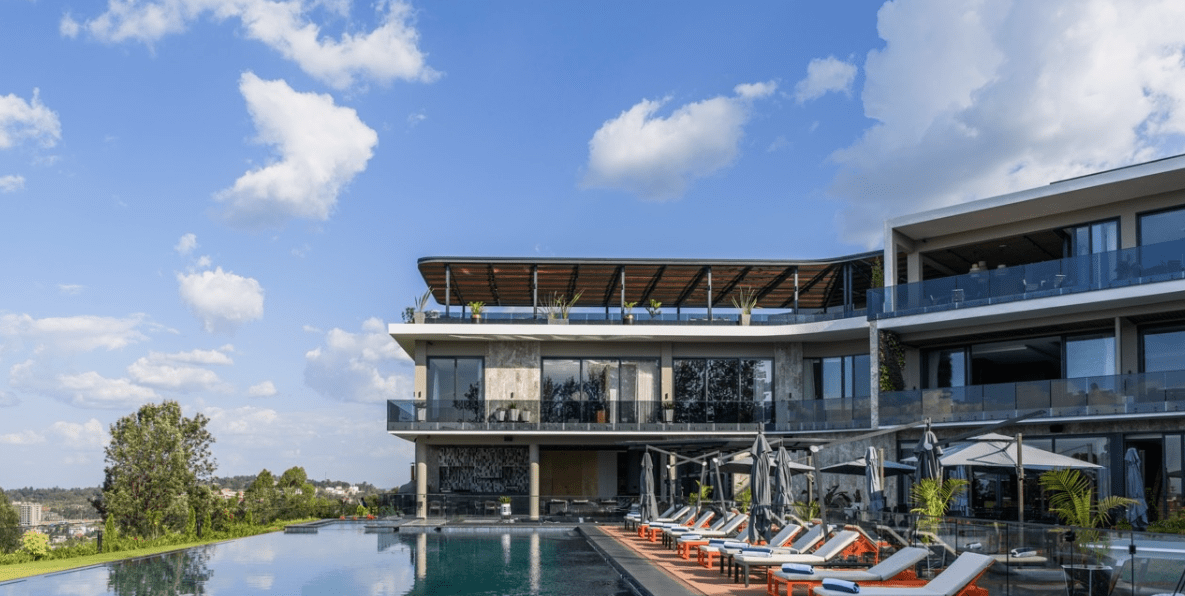
What many visitors only realize after arriving is that flexibility is limited. Time management becomes an important part of the travel experience rather than an optional consideration.
Gorilla Permits Require Early Planning and Cannot Be Treated as a Last-Minute Activity
One of the most important things to understand before visiting Rwanda is how gorilla trekking permits work. Many travelers assume they can arrange permits shortly before arrival or even once in the country. In reality, this is rarely possible, especially during peak travel seasons.
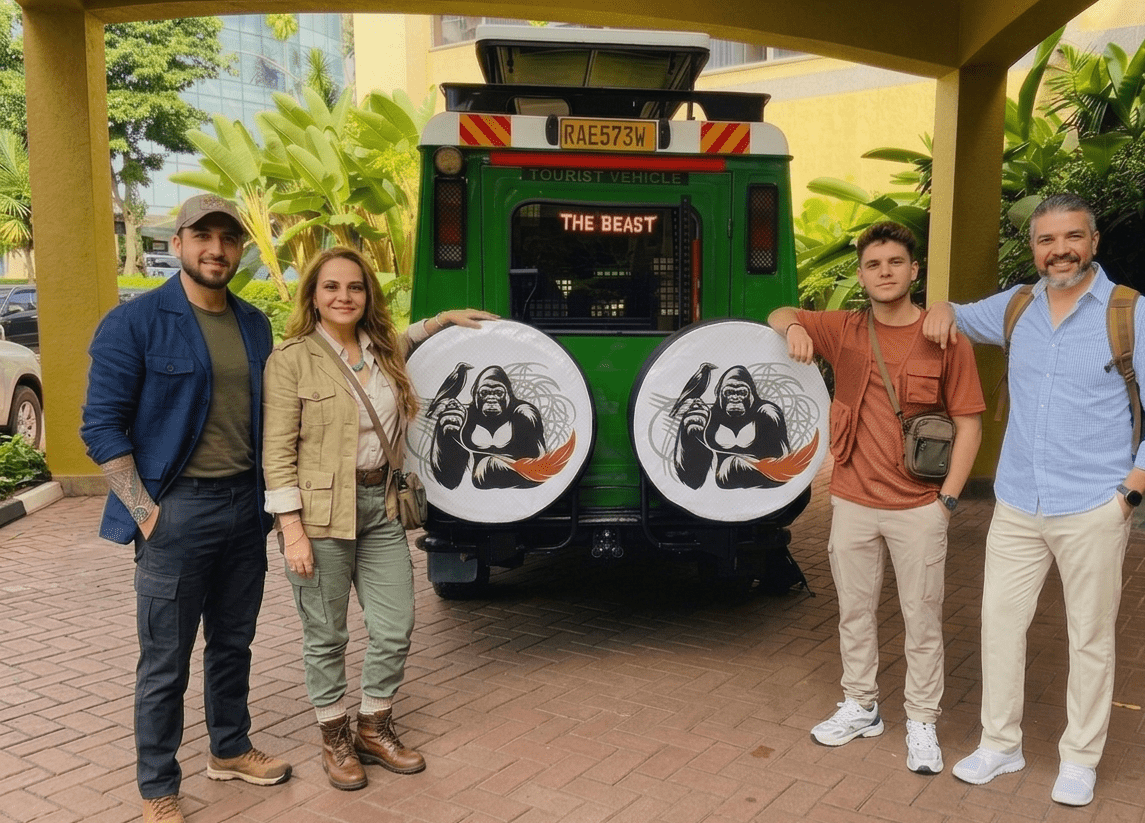
Gorilla permits are limited in number each day, and demand is consistently high. Because of this, permits often sell out weeks or months in advance. Travel dates are assigned based on availability, and flexibility is limited once bookings are made.
For visitors whose primary reason for traveling to Rwanda is gorilla trekking, securing permits should be the first step in planning the trip, not the last. Accommodation, flights, and itineraries are often built around confirmed permit dates rather than the other way around.
Many travelers only fully understand this after encountering availability challenges, which can significantly alter travel plans.
Kigali Is Not What Many First-Time Visitors Expect
Before arriving, many travelers imagine Kigali as a typical East African capital with congestion, informal settlements, and heavy traffic. In reality, Kigali presents a very different impression.

The city is clean, organized, and relatively calm compared to most regional capitals. Roads are well maintained, public spaces are orderly, and there is a visible emphasis on cleanliness and urban management.
One of the most notable cultural aspects is the strict approach to environmental cleanliness. Plastic bags are banned, and waste management is taken seriously. There are also monthly community clean-up activities that contribute to the city’s appearance.
What many visitors only realize after spending time in Kigali is that these standards are enforced consistently. Cleanliness is not just encouraged; it is expected.
Gorilla Trekking Is Physically More Demanding Than Most People Expect
Gorilla trekking is often marketed with images of short, scenic forest walks followed by close encounters with gorillas. While the experience is indeed rewarding, the physical demands are often underestimated.
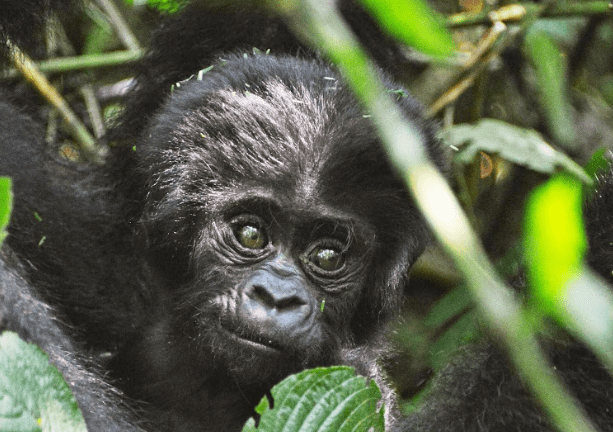
In Volcanoes National Park, trekking routes vary significantly depending on where gorilla families are located on a given day. Some groups may be relatively close to the starting point, while others require several hours of hiking through steep and uneven terrain.
The terrain is often muddy, especially after rainfall, and the altitude can make walking more physically challenging than expected. Even individuals with moderate fitness levels may find certain treks demanding.
Many visitors are surprised by how quickly conditions can change within the forest. Weather shifts, dense vegetation, and elevation all contribute to the difficulty level.
Proper preparation, including suitable footwear and clothing, is essential for comfort and safety during the trek.
Weather Conditions Are Unpredictable and Require Careful Packing
Rwanda is often described as having a temperate climate, but this does not mean weather conditions are consistent or predictable. In fact, one of the most common surprises for visitors is how quickly weather can change within a single day.
It is possible to experience sunshine, heavy rain, mist, and cooler temperatures within a short period of time, especially in mountainous regions. This is particularly true in areas surrounding Volcanoes National Park and other forested regions.
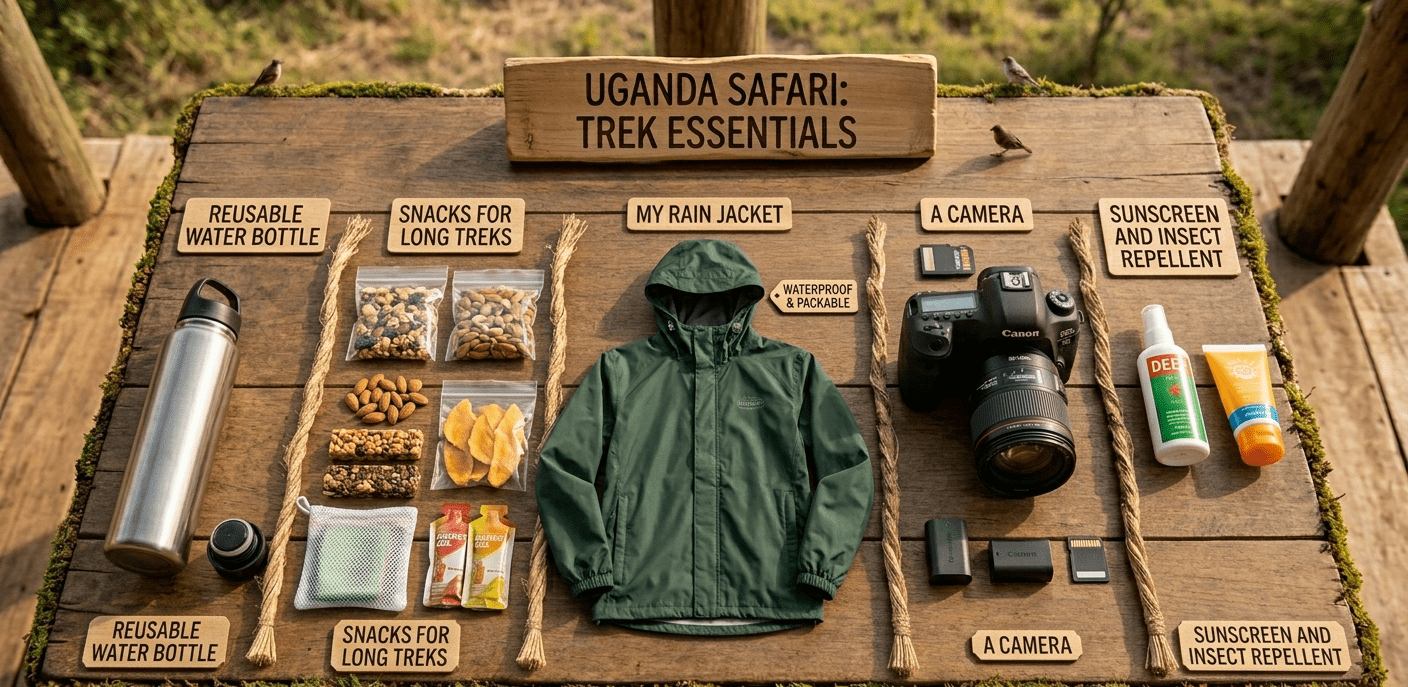
Visitors who arrive with light packing expectations often find themselves unprepared for wet or cold conditions during trekking activities.
Layered clothing, waterproof outerwear, and sturdy walking shoes are essential rather than optional. Even during dry seasons, forest environments can remain damp and slippery.
Rwanda Is Safe, But It Is Also Highly Regulated
Rwanda is widely recognized as one of the safest countries in Africa for travelers. Crime levels are low in comparison to many other destinations, and visitors often feel comfortable moving around cities such as Kigali even after dark in well-populated areas.
However, this sense of safety is closely linked to a strong system of rules and enforcement.
Traffic regulations are strictly observed, public behavior is monitored, and environmental laws are enforced without exception. Littering, illegal parking, and other minor infractions can result in fines.
What many visitors do not anticipate is how structured daily life is. The country’s safety and cleanliness are a direct result of consistent enforcement of rules, rather than informal compliance.
Distances Are Short on Maps but Longer in Reality
One of the most common planning mistakes visitors make is underestimating travel times within Rwanda. While the country is small in size, its geography is highly mountainous, which affects road travel.
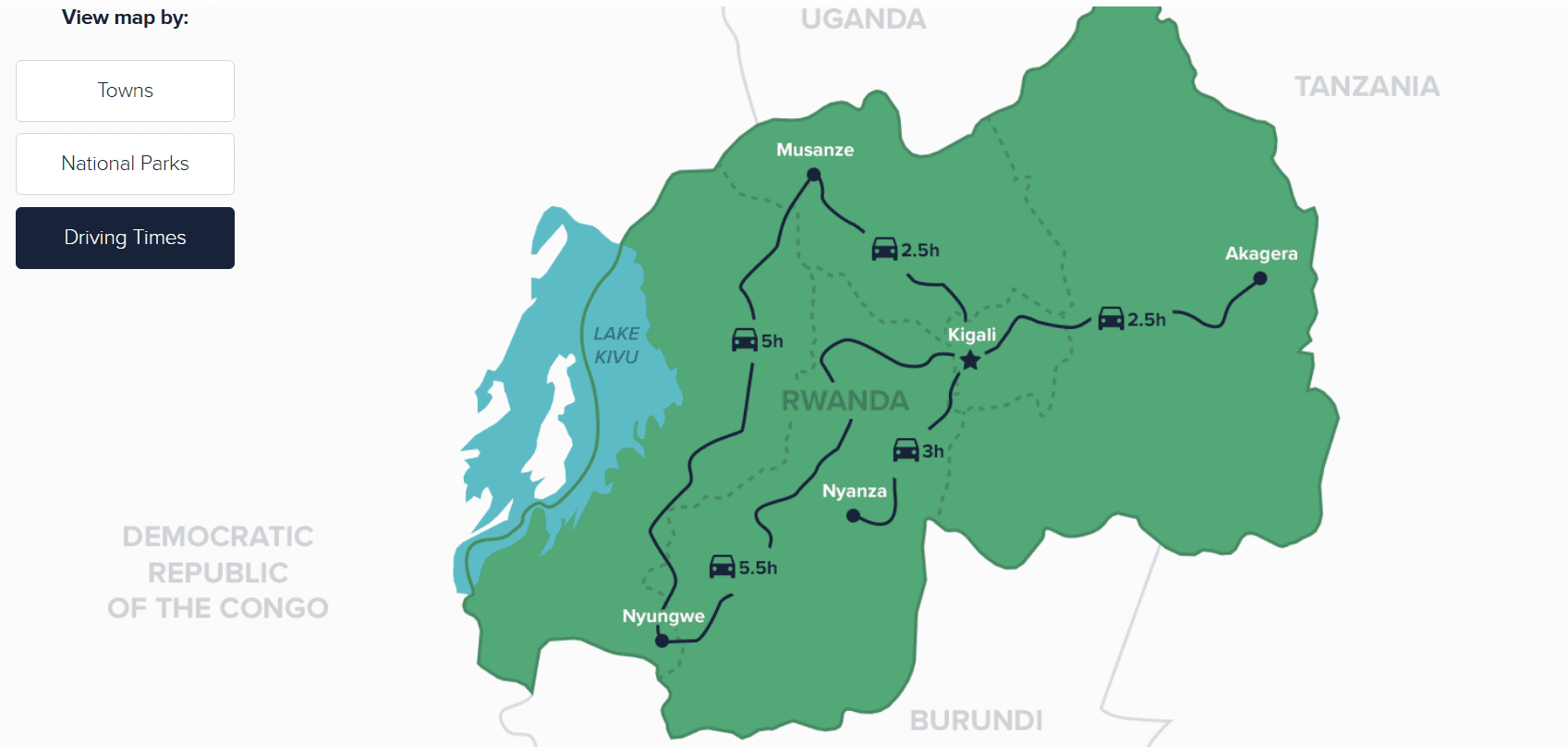
Routes that appear short on maps often take longer due to winding roads and elevation changes. For example, journeys from Kigali to major national parks can take several hours even though the distances may seem relatively small.
Travel to Volcanoes National Park typically takes around two to three hours, while trips to Nyungwe Forest National Park can take five to six hours depending on road conditions.
What many travelers realize too late is that Rwanda is a destination where time needs to be planned carefully. Activities scheduled too close together can lead to rushed experiences.
Gorilla Encounters Are Emotionally Powerful, Not Just a Tourist Activity
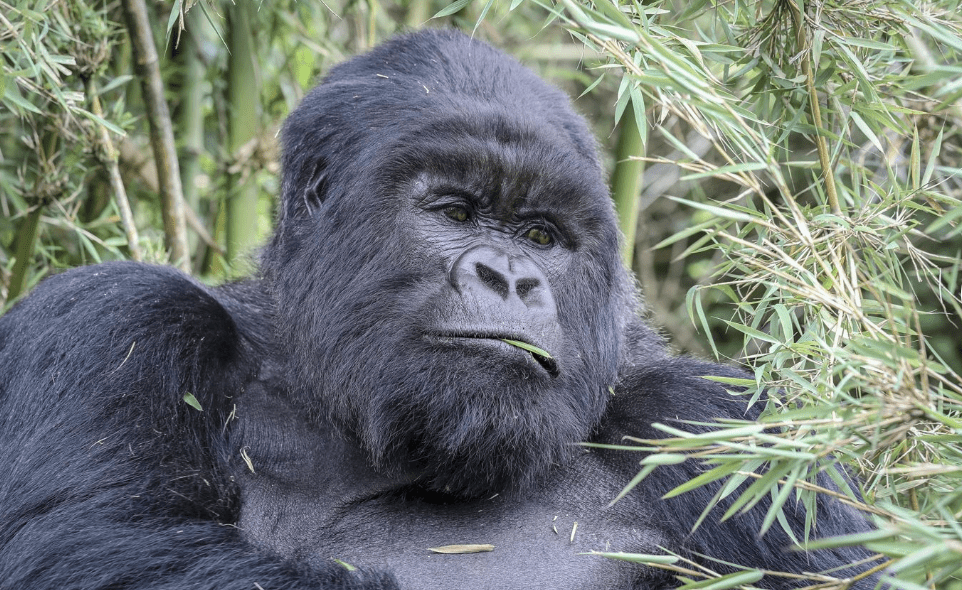
While gorilla trekking is often described in terms of logistics, difficulty, or cost, the emotional aspect is frequently underestimated.
Spending time with mountain gorillas in their natural habitat is a deeply immersive experience. The moment of first contact in the forest is often quiet and unexpectedly emotional. The behavior of the gorillas, particularly the interactions within family groups, creates a sense of connection that goes beyond typical wildlife viewing.
Visitors are only allowed a limited time with the gorillas, which adds to the intensity of the experience. The one-hour viewing period feels both meaningful and brief, reinforcing the importance of conservation and responsible tourism.
Many travelers describe this as the highlight of their entire journey, not just their time in Rwanda.
Rwanda Is Not a Budget Destination, but It Offers High Value
Another important reality is that Rwanda is not a low-cost travel destination. Gorilla permits alone represent a significant portion of travel expenses, and accommodation near national parks tends to be priced at mid-range to luxury levels.
However, the cost structure is closely tied to conservation efforts and controlled tourism policies. Visitor numbers are regulated to protect wildlife and ensure sustainability.
While it may not be considered budget-friendly, most travelers find that the experience justifies the cost, particularly given the uniqueness of gorilla trekking and the overall quality of tourism services.
Cultural Etiquette Matters More Than Many Visitors Expect
Rwandan culture places a strong emphasis on respect, politeness, and orderly behavior. Greetings are important, and interactions are generally formal but friendly.

Visitors who take time to acknowledge local customs tend to have smoother and more meaningful interactions. Even simple gestures such as greeting people properly or showing patience in conversations are appreciated.
The country is multilingual, with English, French, and Kinyarwanda commonly spoken, particularly in tourism and hospitality sectors.
Using a Local Tour Operator Makes a Significant Difference
While independent travel in Rwanda is possible, many visitors find that working with a local tour operator significantly improves the experience.
Tour operators handle essential logistics such as gorilla permits, park transfers, accommodation coordination, and itinerary planning. This becomes especially important when visiting multiple destinations such as Volcanoes, Akagera, and Nyungwe.
Without proper coordination, travel times, permit scheduling, and accommodation availability can become difficult to manage.
A well-organized itinerary ensures that time in Rwanda is used efficiently and that key experiences are not missed due to logistical challenges.
Lastly, visiting Rwanda is a unique experience that combines natural beauty, wildlife encounters, and a high level of national organization. It is a destination that feels both carefully managed and naturally rich at the same time.
However, it is also a place where preparation matters. Understanding how permits work, how travel times function, what weather conditions to expect, and how structured daily life is can make a significant difference in the quality of the experience.
For many travelers, Rwanda becomes one of the most memorable destinations they have ever visited. Not only because of gorilla trekking or scenic landscapes, but because of the overall sense of order, safety, and intentional tourism development that defines the country.
Those who prepare well tend to experience Rwanda at its best. Plan your Tour!