
Shoebill Stork Spotting: A Guide to Finding Africa’s Most Fascinating Bird
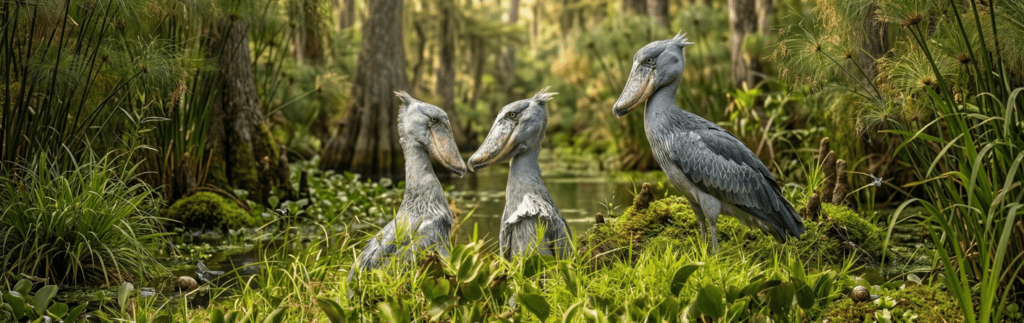
Shoebill Stork Spotting is an unforgettable experience for birdwatchers and wildlife enthusiasts. With its enormous shoe-shaped bill, tall stature, prehistoric appearance, and remarkably calm behavior, the shoebill is one of Africa’s most distinctive birds. Seeing one in its natural wetland habitat can be the highlight of any African wildlife adventure.
What Makes the Shoebill So Special?
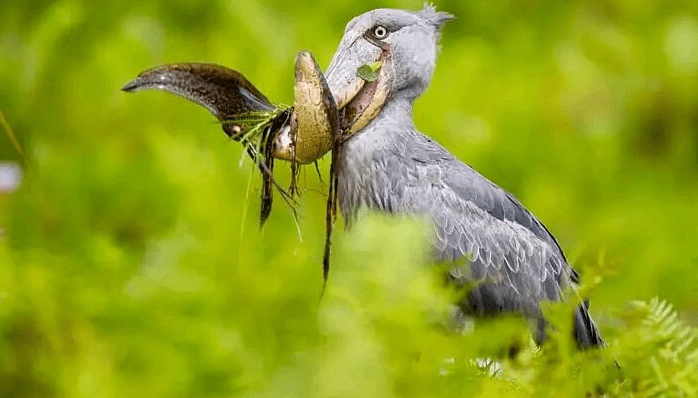
The shoebill (Balaeniceps rex) is a large waterbird native to central and eastern Africa. It is best known for its oversized bill, which is designed for catching fish and other wetland prey. Its grey-blue plumage, long legs, broad wings, and intense stare give it an almost prehistoric appearance.
Unlike many birds that constantly move while feeding, shoebills can remain motionless for long periods. This patient hunting behavior can make Shoebill Stork Spotting both challenging and rewarding.
Where Can You Go Shoebill Stork Spotting?
Shoebills are strongly associated with freshwater wetlands, marshes, swamps, and areas with abundant vegetation. Some of the most notable destinations for seeing them include wetlands in Uganda, Zambia, South Sudan, and parts of Tanzania.
Uganda is particularly well known among birdwatchers because its extensive wetland habitats provide opportunities to search for shoebills in their natural environment. Mabamba Swamp, near Lake Victoria, is one of the country’s recognized destinations for shoebill encounters.
Best Tips for Shoebill Stork Spotting
Patience is one of the most important skills when searching for a shoebill. These birds can blend surprisingly well into their surroundings and may stand completely still among reeds and papyrus.
Consider these tips:
- Go early: Early morning is often excellent for birdwatching because temperatures are cooler and wildlife can be active.
- Use binoculars: A good pair of binoculars makes it easier to observe a shoebill without approaching too closely.
- Listen to local guides: Experienced bird guides know the wetlands and can recognize likely shoebill habitats.
- Move quietly: Sudden movements and loud noises can disturb wildlife.
- Be patient: Finding a shoebill may require slowly exploring suitable wetland areas.
What Should You Look For?
When Shoebill Stork Spotting, focus your attention on shallow water, reed beds, floating vegetation, and quiet channels where fish are abundant. Look for a large grey bird standing motionless near the water’s edge.
Its massive bill is usually the easiest feature to identify. Even at a distance, the shoebill’s distinctive silhouette can separate it from other wetland birds.
Responsible Shoebill Stork Spotting
Responsible birdwatching is essential for protecting these remarkable birds. Avoid chasing or surrounding a shoebill to get a photograph. Keep a respectful distance and follow the instructions of your guide.
Using binoculars or a camera with a suitable zoom lens allows you to enjoy close-up views without disturbing the bird. Supporting responsible local guides and conservation initiatives can also contribute to the protection of important wetland habitats.
Why Shoebill Stork Spotting Is Worth the Adventure
A shoebill encounter is about more than simply adding another bird to your checklist. Watching this extraordinary species standing quietly in an African wetland offers a memorable connection with one of the continent’s most unusual animals.
Whether you are an experienced birder or discovering African wildlife for the first time, Shoebill Stork Spotting can be an exciting and rewarding adventure. With patience, good observation skills, and responsible wildlife practices, you may come away with a truly unforgettable sighting. Book Now