
How to Get from Rwanda to Burundi: Transportation Options
Navigating the transit corridors of East Africa offers an incredible journey through dramatic scenery, but it requires a solid understanding of changing geopolitical landscapes. For travelers planning an multi-country African safari, figuring out exactly how to get from Rwanda to Burundi is one of the most critical logistical puzzles to solve. While the physical distance between their primary hubs, Kigali and Bujumbura, is relatively short at just about 175 kilometers, the transit strategies vary wildly depending on your budget, time constraints, and the real-time operational status of the regional land borders.
When looking at your routing options, you have two primary methods of travel: flying directly between the capital cities or embarking on an overland road journey. However, because regional dynamics occasionally shift land border operations, staying informed on current travel rules is vital to avoiding major delays. Let’s break down the exact transportation options, flight frequencies, land pathways, and crucial border requirements needed to ensure a smooth, worry-free transit between these two vibrant East African nations.
The Current Travel Landscape in 2026
Before diving into specific vehicular options, travelers must adapt to the current transboundary realities of 2026. While both nations actively support the broader tourism goals of the region, bilateral relations occasionally impact direct land crossings.
Currently, the direct land borders between Rwanda and Burundi (such as the Akanyaru and Nemba posts) face operational restrictions, meaning direct overland driving between the two countries is not always an option for international tourists. Because of this, flying has become the most reliable and efficient way to travel between Kigali and Bujumbura. For those determined to complete an overland trip, alternative detours through neighboring Tanzania are required. Working with an experienced operator like Feather Trail Safaris ensures your transit relies on the most accurate, up-to-date regional information.
Transportation Option 1: Direct Flights (The Most Reliable Choice)
For the vast majority of international tourists, business travelers, and safari enthusiasts, taking a flight is the quickest and most hassle-free method when considering how to get from Rwanda to Burundi. It eliminates the complexity of overland checkpoints and gets you to your destination in under an hour.
Operating Airlines and Flight Durations
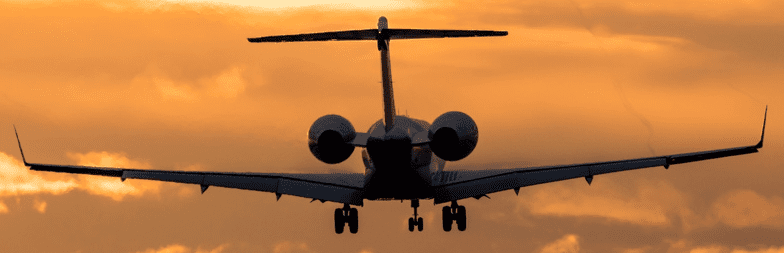
The national carrier, RwandAir, stands as the exclusive operator offering direct commercial flights between Kigali International Airport (KGL) and Melchior Ndadaye International Airport (BJM) in Bujumbura. These non-stop flights run roughly four times per week. The average flight time is a swift 45 minutes, making it incredibly convenient compared to a full day spent on unpaved or winding mountain roads.
Baggage Restrictions and Ticketing Logistics
Because these regional flights frequently use mid-sized aircraft like the De Havilland Dash 8-Q400 or Boeing 737 fleets, strict weight limits apply to checked bags and carry-ons. Primate safari travelers carrying heavy camera gear, telephoto lenses, and tracking boots should check their baggage allowances when booking to prevent unexpected fees at the gate. Booking your flights as part of an integrated East Africa Safaris package keeps your flight details and land connections perfectly synchronized.
Transportation Option 2: Overland Driving & Guided Safaris
Prior to recent border updates, embarking on an overland road trip was a highly popular choice for travelers seeking to experience local villages and scenery up close. Understanding the layout of these routes remains valuable for future planning and specialized multi-country itineraries.
The Classic Direct Route (Akanyaru Haut)
The most direct highway route connects Kigali to Bujumbura via Huye and the Akanyaru Haut land border post. Under normal operating conditions, this 290-kilometer drive takes between 6 to 8 hours. The road on the Rwandan side features smooth, well-maintained asphalt winding through southern terraced hills, while the Burundian side descends through scenic banana groves and mountain passes into the Rift Valley.
The Alternative Detour via Tanzania
With direct land borders currently restricted, overland travelers must use a longer detour through northwestern Tanzania. This route involves exiting eastern Rwanda via the Rusumo border post, driving through Tanzania’s Kagera region, and entering eastern Burundi via Kobero.
Essential Border Documentation & Health Requirements
Regardless of how you choose to travel, clearing international immigration requires careful preparation. Missing paperwork can result in being turned back at the gate or border post.
Before setting off, make sure your passport is valid for at least six months past your travel dates and has at least two blank pages. You will need to check the current entry and registration rules outlined by Rwanda Immigration Services and Burundi Immigration Authorities.
A valid Yellow Fever vaccination certificate is strictly mandatory for entry into both nations, and health officials will check your physical yellow card before allowing you to proceed to the immigration windows. While Rwanda offers convenient tourist visas on arrival for many nationalities, Burundi requires you to secure an approved eVisa or an official entry authorization letter prior to starting your journey.
Navigating Cross-Border Vehicle Logistics
For those planning an overland journey using a private vehicle or rental car, the administrative paperwork becomes significantly more complex.
You must secure a Carnet de Passages en Douane (CPD) or a valid temporary importation permit (TIP) to move a foreign-registered vehicle across regional lines. Additionally, cross-border insurance, such as the COMESA Yellow Card, is mandatory to cover third-party liabilities across East African borders. If you are renting a vehicle, you must obtain an official, notarized letter of authority from the car rental company permitting the vehicle to cross into another country. Because these steps require deep local expertise, many travelers prefer booking an organized tour where all vehicle logistics are managed on their behalf.
Best Time of Year for Cross-Border Travel
While regional flights operate consistently throughout the year, weather conditions play a massive role in the viability and comfort of overland road travel.
The long dry season, running from June to September, is the absolute best time for an overland safari. During these dry months, unpaved secondary roads remain firm, and the risk of seasonal mudslides blocking mountain passes is extremely low. The shorter dry window from December to February is another excellent choice for travel. Conversely, traveling during the heavy rainy season (March to May) can cause major delays on dirt roads, making a robust 4×4 vehicle absolutely essential for safety.
Combining Transborder Wilderness Adventures
Understanding your transit options opens up incredible opportunities to combine top-tier wildlife adventures across both nations. Linking these destinations allows you to experience the full spectrum of East Africa’s rich biodiversity.
Many travelers use these convenient flight connections to pair world-renowned Gorilla Trekking Tours in Rwanda’s Volcanoes National Park with wild chimpanzee tracking in Burundi’s Kibira National Park. This dual-nation approach allows you to see two entirely different great ape species in their natural habitats while enjoying the diverse cultures, traditions, and landscapes that make this region so unique.
Safety Guidelines and Travel Etiquette
Keeping a few key safety and cultural tips in mind ensures a smooth, respectful, and positive travel experience:
Keep Electronic Copies of Documents: Store digital scans of your passport, visas, and vaccination cards on a secure cloud drive or your smartphone, allowing you to access them easily at any checkpoint.
Carry US Dollars in Cash: Carry a reserve of crisp, clean US Dollar bills printed after 2013. Cash remains the preferred method for paying visa fees and local expenses at land borders, as credit card readers can be unreliable in remote areas.
Respect Photography Restrictions: Never take photographs or videos of military personnel, police checkpoints, border buildings, or government structures. Doing so is strictly illegal and can lead to your equipment being confiscated.
Follow Guide Instructions: When traveling overland, always follow the guidance of your professional safari driver. They understand local road conditions, checkpoint protocols, and regional etiquette perfectly.
Why Book Your East African Journey with Feather Trail Safaris
Planning a trip between Rwanda and Burundi involves navigating complex flight schedules, changing border rules, and detailed visa requirements. Trying to manage these moving parts on your own can easily lead to unnecessary stress and disruptions.
At Feather Trail Safaris, we specialize in crafting seamless, stress-free, multi-country itineraries tailored to your exact travel goals. We handle all your flight bookings, vehicle permits, professional guiding, and eco-lodge accommodations, leaving you free to fully immerse yourself in the adventure. Our deep local knowledge and strong regional partnerships ensure you enjoy a safe, authentic, and unforgettable safari experience
FAQ
What is the best option when looking at how to get from Rwanda to Burundi?
Taking a direct flight with RwandAir from Kigali to Bujumbura is currently the most reliable, safe, and efficient option, with an average flight time of just 45 minutes.
Are the land borders between Rwanda and Burundi open for tourists?
Direct land border posts like Akanyaru Haut are currently facing operational restrictions. Overland travelers must take an alternative detour through northwestern Tanzania to drive between the two countries
Which airlines offer flights between Kigali and Bujumbura?
RwandAir is currently the only commercial airline operating regular, non-stop flights between Kigali International Airport (KGL) and Bujumbura International Airport (BJM).
Do I need a Yellow Fever card to travel between these countries?
Yes, a valid Yellow Fever vaccination certificate is strictly mandatory for all incoming travelers and must be presented to health officials at both airports and land borders.
Can I get a Burundi visa at the land border?
No, travelers must secure an approved Burundi eVisa or an official entry authorization letter online through government channels before arriving at any land border post.
How long does the overland drive take via the Tanzania detour?
Because the detour through Tanzania covers a significant distance on varied road conditions, the drive typically takes 2 to 3 days and requires an overnight stop along the way.
What currency should I carry for border fees?
It is highly recommended to carry crisp, clean US Dollar bills printed after 2013, as cash is the most reliable way to pay for visas and local fees at border crossings.
How can I book a hassle-free multi-country tour?
You can easily book a comprehensive cross-border itinerary by reaching out to our travel specialists via our website’s contact page to design your custom journey.
Ready to explore the best of Rwanda and Burundi? Contact Us today to start designing your custom cross-border itinerary.