
Rwanda Gorilla Tracking
Rwanda Gorilla Tracking is one of the most extraordinary wildlife encounters on Earth. It is not simply a safari activity, nor is it just another stop on an African itinerary. It is a deeply emotional and transformative experience that places you face-to-face with one of the rarest primates on the planet. Standing quietly in a misty rainforest while a mountain gorilla family moves naturally around you is something that transcends ordinary travel. It is powerful, humbling, and unforgettable.
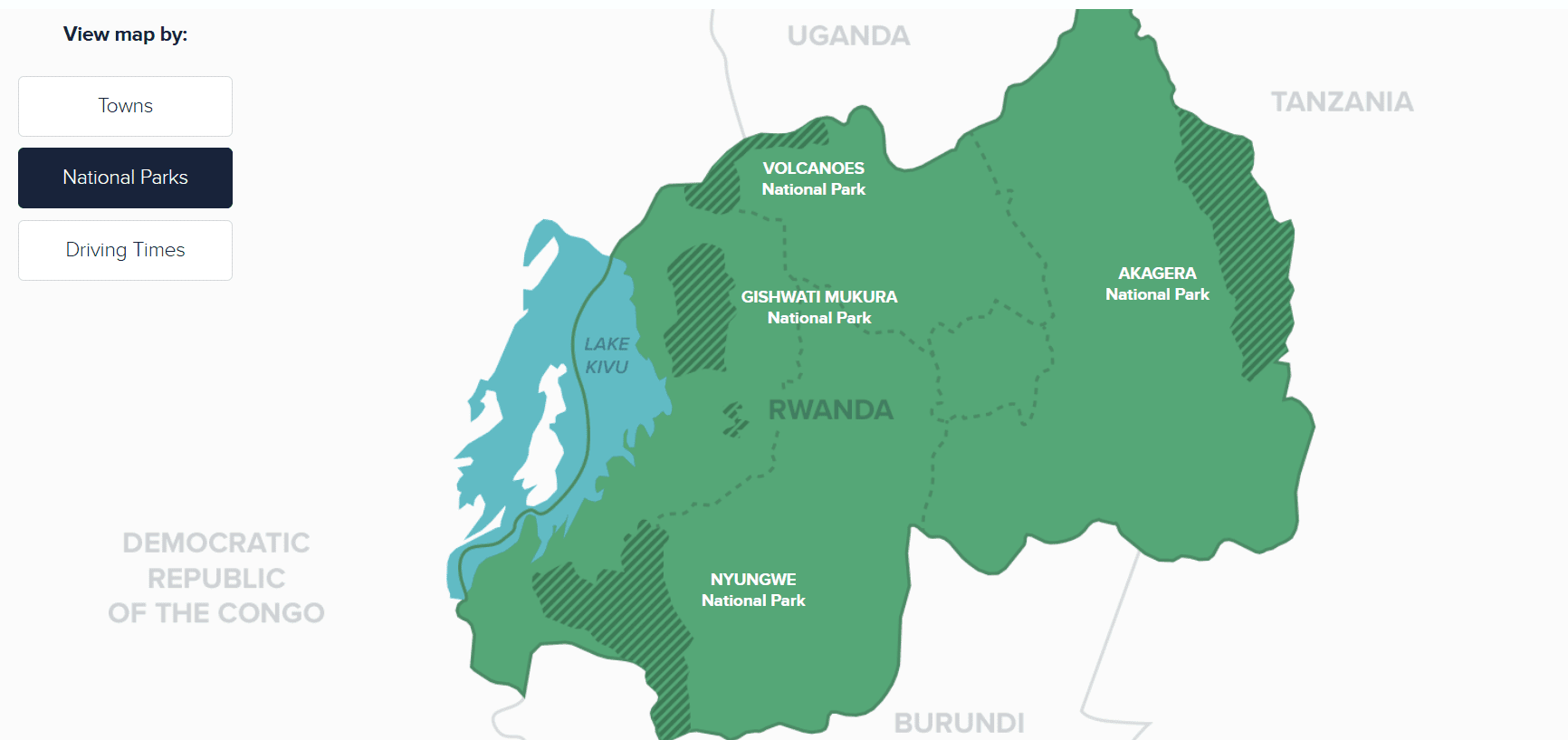
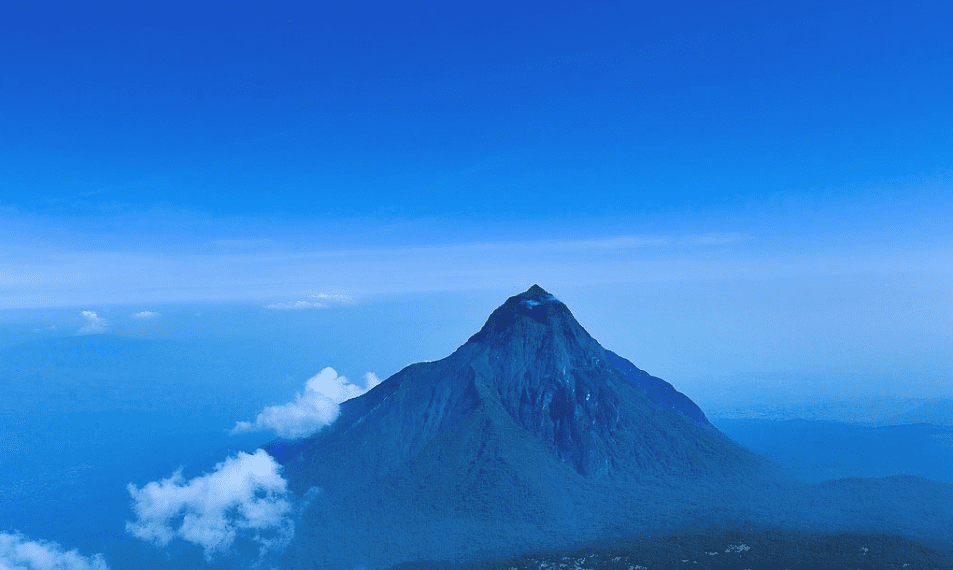
Set in the dramatic highlands of northwestern Rwanda, gorilla trekking takes place in the breathtaking Volcanoes National Park, part of the greater Virunga Mountain range. This chain of ancient volcanoes stretches across Rwanda, Uganda, and the Democratic Republic of Congo, creating one of Africa’s most biologically rich ecosystems. The park’s dense bamboo forests, towering trees draped in moss, and cool mountain air create a landscape that feels untouched and primeval.
Understanding the Significance of Mountain Gorillas
Mountain gorillas are among the most endangered primates in the world. With a population of just over one thousand individuals, their survival depends heavily on conservation efforts and responsible tourism. Rwanda has become a global example of how wildlife protection and tourism can work together to ensure long-term sustainability.
Gorillas live in structured family groups led by a dominant silverback. These groups are social, intelligent, and remarkably gentle. Observing them in their natural environment reveals intricate relationships and emotional depth that closely resemble human family structures. Watching a mother cradle her infant or juveniles playfully tumble across a forest clearing offers a profound reminder of our shared ancestry.
The Journey Begins in Kigali
Most Rwanda Gorilla Trekking adventures begin in Kigali, the country’s clean and modern capital. Kigali is known for its safety, organization, and welcoming atmosphere. From the city, the drive to Volcanoes National Park takes approximately two to three hours through scenic countryside filled with terraced farms and rolling green hills.
The short travel distance is one of Rwanda’s greatest advantages. Unlike other gorilla destinations that require long road transfers, Rwanda allows visitors to move quickly from international arrival to trekking adventure. This accessibility makes it possible to plan efficient yet meaningful itineraries.
The Morning of the Trek
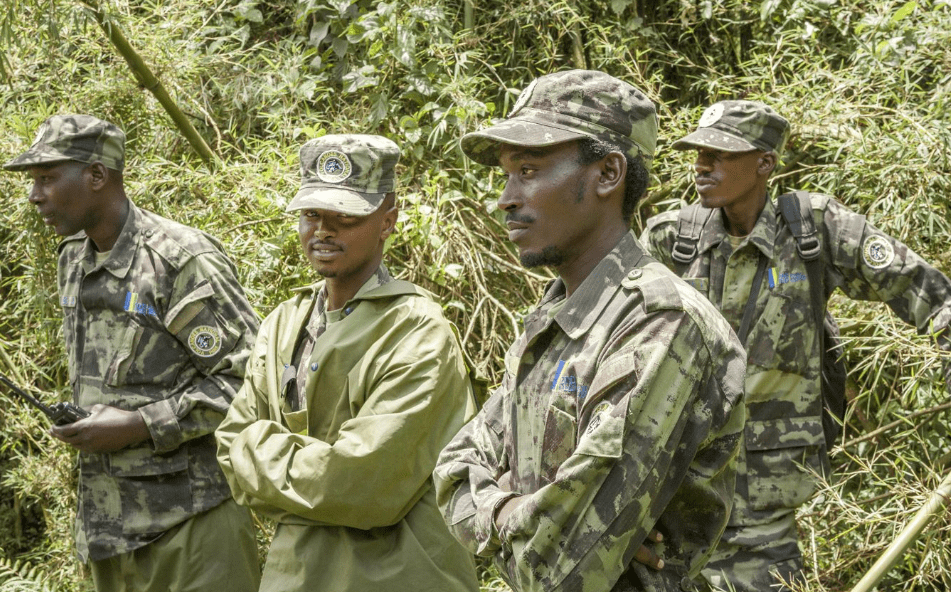
The trekking experience begins early in the morning at the park headquarters in Kinigi. Visitors gather before sunrise as mountain mist lingers across the slopes. The air feels crisp, and anticipation builds as rangers prepare groups for the day ahead.

Under the guidance of the Rwanda Development Board, trained park officials provide a detailed briefing about safety protocols, gorilla behavior, and conservation guidelines. Visitors are reminded of the importance of maintaining respectful distance, avoiding sudden movements, and following instructions carefully.
The legacy of gorilla conservation in Rwanda is deeply connected to the work of Dian Fossey, whose groundbreaking research in the Virunga Mountains brought global attention to mountain gorillas. Her dedication laid the foundation for the conservation systems that protect these primates today.
Trekking Through the Misty Forest
Once groups are assigned to specific gorilla families, the trek begins. The duration and intensity of the hike vary depending on the gorillas’ location that day. Some families may be found within a relatively short walking distance, while others require several hours of steady climbing through thick vegetation.
The forest terrain can be steep and muddy, but it is also incredibly beautiful. Sunlight filters softly through the canopy, illuminating ferns and bamboo groves. The silence is occasionally broken by bird calls or the distant rustle of wildlife moving through the undergrowth.
Trekking is not simply about reaching the gorillas; it is about immersing oneself in their habitat. The journey itself deepens appreciation for the fragile ecosystem that sustains them.
The First Glimpse of a Gorilla Family
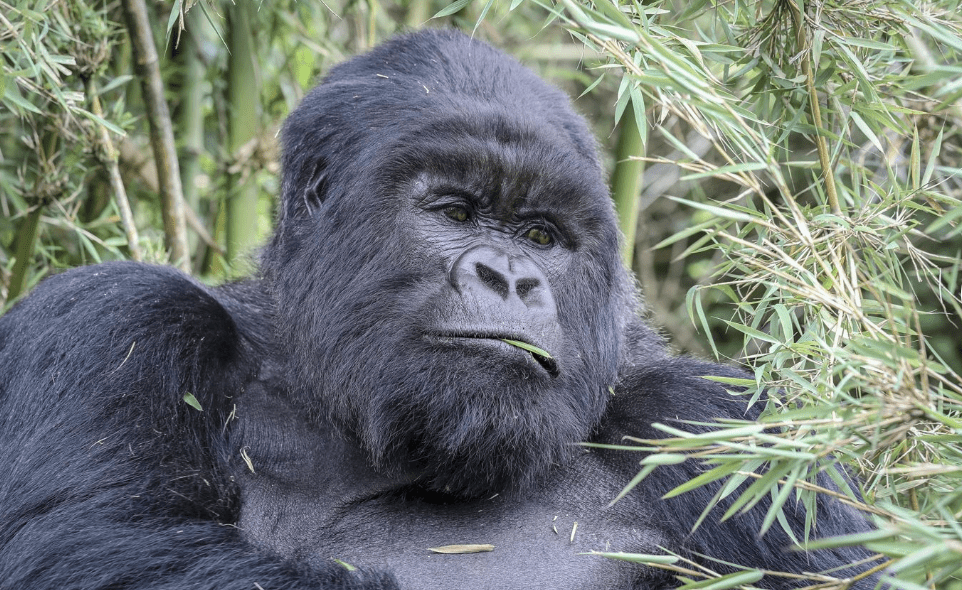
When trackers signal that the gorillas are near, the mood shifts from anticipation to awe. Visitors are guided quietly through dense vegetation until the first dark silhouette appears among the leaves. A massive silverback may sit calmly, observing the surroundings with quiet authority. His sheer size is impressive, yet his demeanor is composed and steady.
Nearby, mothers groom their infants with remarkable tenderness. Young gorillas climb over branches or chase one another in playful bursts of energy. The forest clearing becomes a living stage of natural behavior, untouched and unscripted.
The one hour allowed with the gorillas passes quickly. During this time, visitors witness feeding, grooming, resting, and social interaction. There is no performance or spectacle—only authentic life unfolding in its natural rhythm. Eye contact with a gorilla is an experience many travelers describe as deeply emotional. In that silent exchange, one feels both connected and humbled.
Conservation at the Core
Rwanda’s approach to gorilla trekking is rooted in sustainability. A significant portion of the permit fee is reinvested into conservation programs and community development projects. Schools, healthcare facilities, and infrastructure improvements in surrounding villages are funded through tourism revenue.
This model creates shared responsibility. Local communities benefit directly from gorilla tourism, fostering strong support for wildlife protection. Rather than viewing conservation as restrictive, communities see it as an opportunity for growth and stability.
The careful limitation of visitor numbers ensures minimal disturbance to gorillas while maintaining a high-quality experience for travelers. Rwanda’s strategy prioritizes long-term preservation over short-term gain.
The Landscape of the Virunga Mountains
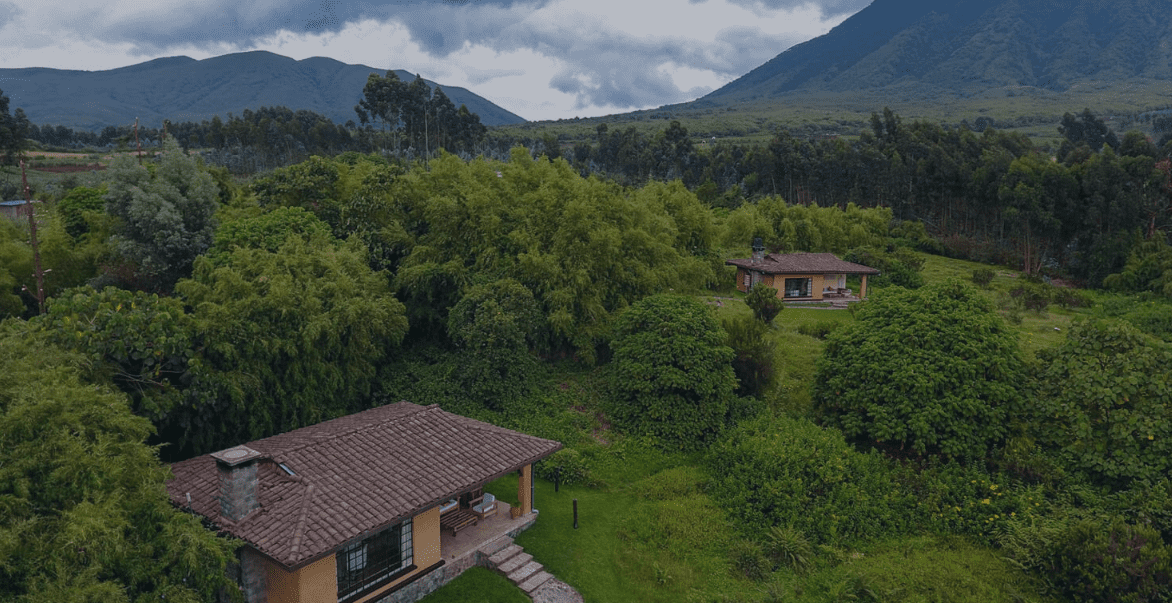
The Virunga volcanoes provide one of Africa’s most dramatic backdrops. Their peaks rise through layers of cloud and mist, creating a landscape that feels both majestic and mysterious. The altitude keeps temperatures cool, and rainfall nourishes the dense vegetation that gorillas depend upon.
Giant lobelias and towering trees covered in moss give the forest a prehistoric atmosphere. Trekking through this environment enhances the emotional depth of the experience. It becomes clear that mountain gorillas survive only because this ecosystem remains intact.
Accommodation and Comfort
While the trekking experience itself is rugged and authentic, accommodations near Volcanoes National Park range from comfortable lodges to high-end eco-retreats. Many properties offer panoramic volcano views, fine dining, and attentive service. After a demanding hike, returning to a warm meal and a peaceful setting provides welcome comfort.
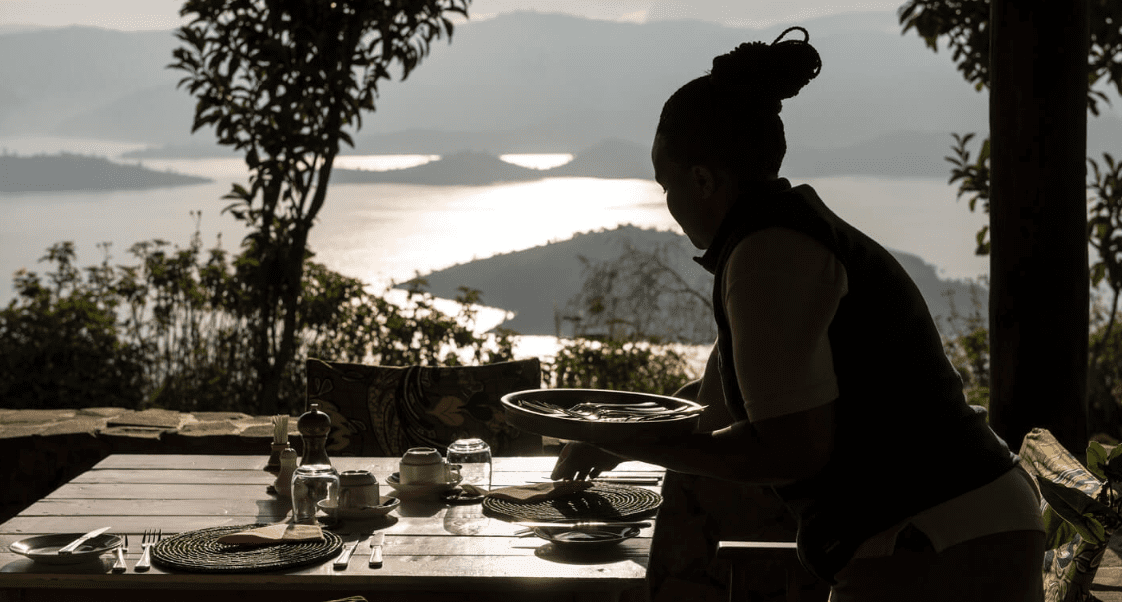
Rwanda has intentionally developed tourism infrastructure that reflects quality and sustainability. Lodges are often built with environmental sensitivity, blending seamlessly into the landscape.
The Emotional Impact of Rwanda Gorilla Tracking
Rwanda Gorilla Tracking leaves a lasting impression that extends far beyond photographs. Many visitors describe the encounter as transformative. Watching a silverback protect his family or seeing an infant cling tightly to its mother evokes a deep sense of kinship.
Unlike traditional safaris where animals are observed from vehicles at a distance, gorilla tracking is intimate and immersive. You are on foot, sharing the same forest floor. The absence of barriers intensifies the connection and reinforces the responsibility that comes with such access.
The memory of that one hour often lingers long after travelers return home. It reshapes perspectives about wildlife conservation and humanity’s relationship with nature.
A Broader Rwanda Gorilla Tracking Experience
Although gorilla tracking is the highlight for many, Rwanda offers additional experiences that enrich any itinerary. Time in Kigali provides cultural and historical insight, particularly through visits to memorial sites that reflect the country’s resilience and progress. Lake Kivu offers scenic relaxation, while Nyungwe Forest National Park introduces visitors to canopy walks and additional primate species.
Combining these experiences with gorilla trekking creates a well-rounded journey that showcases Rwanda’s natural beauty and inspiring transformation.
Reflections on Rwanda Gorilla Tracking
Rwanda Gorilla Tracking stands as one of Africa’s most meaningful wildlife adventures. It is a rare privilege to spend time in the presence of mountain gorillas, observing their families and behaviors in the wild. The experience is powerful not because of dramatic action, but because of quiet connection.
In the misty forests of Volcanoes National Park, surrounded by ancient volcanoes and vibrant greenery, travelers discover more than just wildlife. They witness a conservation success story, a nation committed to sustainability, and a species slowly recovering through global effort and local dedication.
Rwanda Gorilla Trekking is not simply a journey into the forest. It is a journey into understanding, respect, and shared existence with one of Earth’s most remarkable creatures. Book a Rwanda Gorilla Safari Customized to meet your preferences.