

Drinking Water Safety on Safari
Going on safari is an exciting way to experience wildlife and nature up close. However, staying healthy during your trip is just as important as spotting the Big Five. One common question travelers ask before heading into the wilderness is: is tap water safe on safari?
Feather Trail Safaris Ltd highlights the answer as it depends on your safari destination, accommodation, and local water supply. Knowing where your drinking water comes from can help you avoid stomach problems and enjoy your adventure with confidence.
Is Tap Water Safe on Safari?
Tap water is not automatically unsafe on safari, but it should not be assumed to be safe everywhere. In many safari lodges, camps, and hotels, water is treated, filtered, or supplied from a reliable municipal system. Some properties may also have their own purification systems.
Before drinking tap water, ask your safari lodge or tour operator whether it is safe for visitors. If staff recommend avoiding tap water, follow their advice.
The safety of tap water can vary considerably between countries and even between different safari camps within the same region.
When Should You Drink Bottled Water?
If you are uncertain about the local water supply, bottled water is usually the simplest option. Make sure the bottle is properly sealed before opening it.
During your safari, carry enough drinking water for game drives, walking excursions, and other activities. Safari vehicles can spend several hours away from the lodge, particularly during full-day excursions.
When possible, choose reputable refill stations or safely purified water instead of constantly buying single-use plastic bottles.
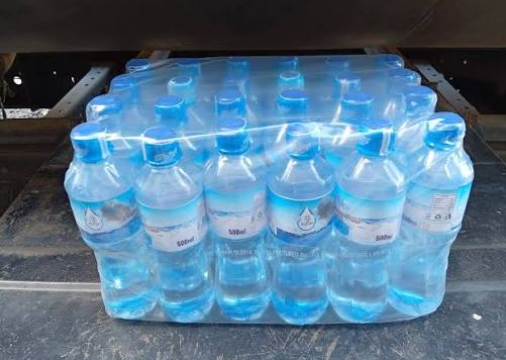
Don’t Forget Ice and Brushing Your Teeth
Drinking water is not the only potential source of exposure to untreated water. If you are unsure about the local supply, ask whether the ice served with drinks is made from purified water.
You may also want to use bottled or purified water for brushing your teeth when the safety of tap water is uncertain. This small precaution can reduce unnecessary risks while traveling.
How to Stay Hydrated on Safari
Safari activities often take place in warm conditions, and dehydration can happen quickly. Drink water regularly rather than waiting until you feel very thirsty.
A reusable water bottle is useful for keeping water with you throughout the day. Many safari operators provide drinking water, but it is worth confirming this before departure.
Limit excessive alcohol consumption, especially during hot days, because alcohol can contribute to dehydration.
What About Water at Safari Lodges?
Many modern safari lodges take drinking water safety seriously. They may use filtration, purification, borehole treatment, or other systems to provide safe drinking water.
However, standards and facilities differ from one property to another. Before your trip, contact your accommodation and ask a simple question: “Is the tap water safe for guests to drink?”
You can also ask whether water is treated on-site and whether complimentary drinking water is provided during game drives.
Final Tips for Safe Drinking Water on Safari
Water safety should be a simple part of your safari preparation. Check local advice before traveling, follow your lodge’s recommendations, and carry safe drinking water whenever you are away from your accommodation.
If you are unsure whether tap water is safe, choose properly sealed bottled water or reliably purified water. Staying hydrated and taking sensible precautions can help you focus on what really matters: enjoying an unforgettable safari experience.
In short, is tap water safe on safari? Sometimes, but it depends on your destination and accommodation. Always confirm before drinking it rather than making assumptions. Book Now
Written By Harriet Adul, Editorial Team
29/08/2026