
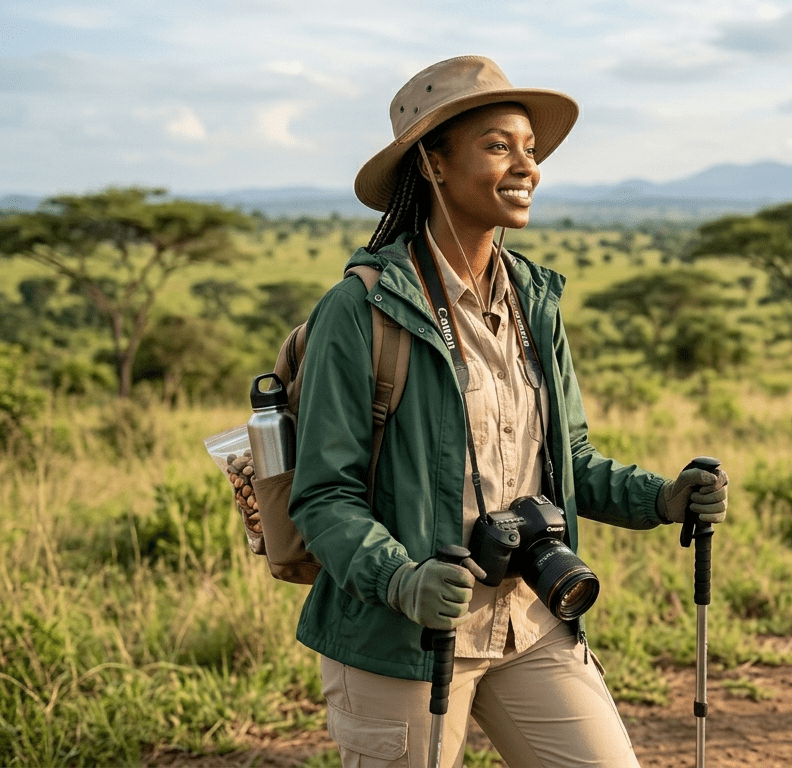
How Safe is Traveling in Uganda for Tourists? (A First-Hand Story Guide)
I remember the exact moment the question crossed my mind for the first time. I was sitting with my travel documents spread across the table, staring at the words “Uganda” and wondering quietly: Is it safe to travel there?
Like many first-time travelers, my mind was filled with curiosity, but also uncertainty. I had seen breathtaking photos of gorillas, lush forests, and vast savannahs in Uganda, yet I still hesitated. Safety, after all, is not something you take lightly when planning a journey to a new destination.
In the end, I decided to go.

What followed was not just a trip, but an experience that reshaped my understanding of safety, travel, and human connection.
Arriving with Questions, Leaving with Confidence
My journey began in Entebbe, the gateway to Uganda. As my plane descended, I looked out the window and saw Lake Victoria stretching endlessly below. Everything appeared calm, green, and alive.
But inside me, the questions remained.
Would I feel safe moving around?
Are the roads be manageable?
Would I be able to explore freely?
Those thoughts stayed with me as I stepped out into the warm Ugandan air and began my journey inland.
Very quickly, however, something unexpected happened.
I stopped worrying.
First Impressions: A Welcoming Atmosphere
From the moment I arrived, the people I met played a huge role in shaping my perception of safety. There was a sense of warmth that was immediately noticeable, greetings, smiles, and genuine curiosity about where I came from and what I hoped to see.
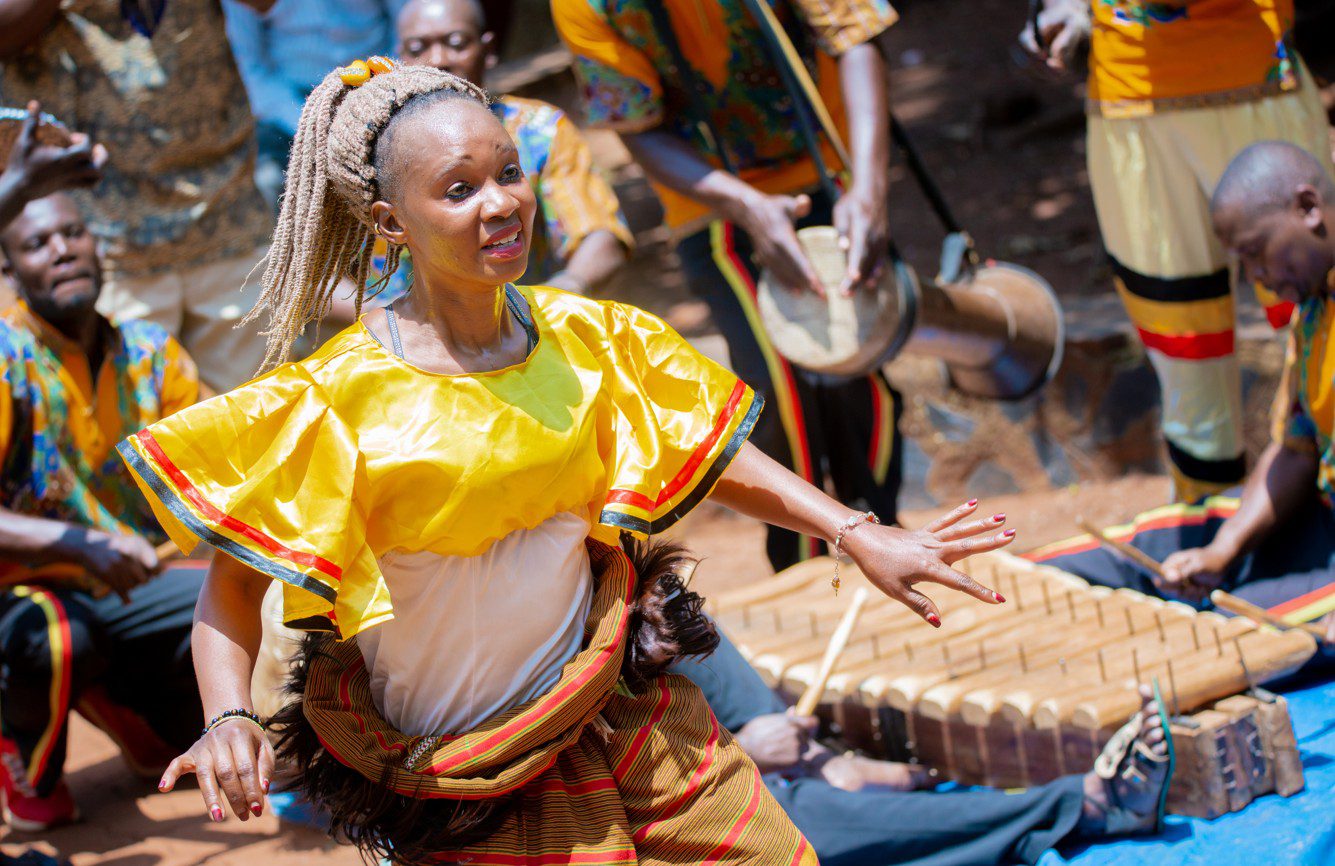
As I traveled toward Bwindi Impenetrable National Park, I passed through small towns and villages where daily life unfolded at a calm, steady pace. Children waved as our vehicle passed, vendors greeted us at roadside stops, and locals engaged in friendly conversation.
I realized that safety isn’t only about statistics or guidelines—it’s also about how comfortable and welcomed you feel in a place.
And in Uganda, that sense of welcome was strong.
Traveling Between Destinations
As my journey continued, I moved between different national parks, including Queen Elizabeth National Park and Murchison Falls National Park.
The drives were long, sometimes stretching several hours, but they were also part of the experience. Along the way, I saw rural landscapes, local markets, and everyday life in motion.
I never felt unsafe during these journeys.

Instead, I noticed that most travel in Uganda, especially for tourists, is organized, guided, and structured. With experienced drivers and guides, navigating the roads felt smooth and manageable.
There were moments of traffic, occasional road conditions that required careful driving, but nothing that made the experience feel risky.
Wildlife Safaris: Safety in the Wilderness
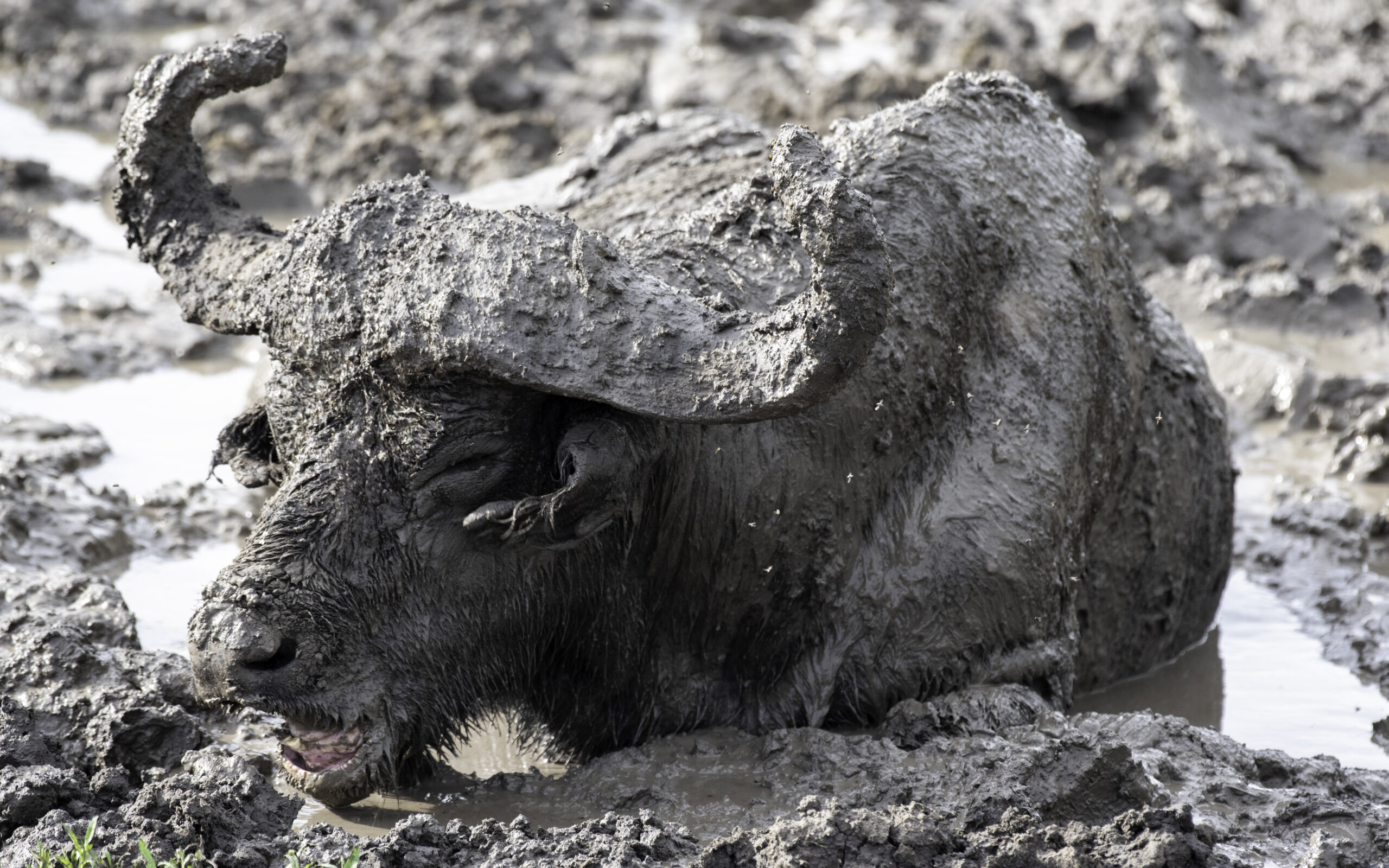
One of the most memorable parts of my trip was the time spent in Uganda’s national parks.
In places like Kibale National Park, where chimpanzee trekking takes place, safety is taken very seriously. Before entering the forest, guides provide clear instructions on how to behave, how to maintain distance, and how to interact respectfully with wildlife.
I remember standing in the forest, listening carefully as the guide explained the rules. At that moment, I realized something important: safety in Uganda’s safari environments is not left to chance, it is carefully managed.
During my gorilla trekking experience in Bwindi Impenetrable National Park, the same level of professionalism was evident. Rangers accompanied us throughout the trek, ensuring that we followed established guidelines while observing the gorillas.
There was a strong sense of order, respect, and responsibility.
And because of that, I felt completely safe.
Urban Areas and Everyday Safety
In cities like Kampala and Entebbe, I experienced a different kind of environment, busier, more dynamic, and full of energy.
Walking through markets, visiting restaurants, and interacting with locals gave me a glimpse into everyday life. Like any urban area anywhere in the world, basic awareness was important, keeping belongings secure, avoiding isolated areas at night, and being mindful of surroundings.
But overall, my experience was positive.
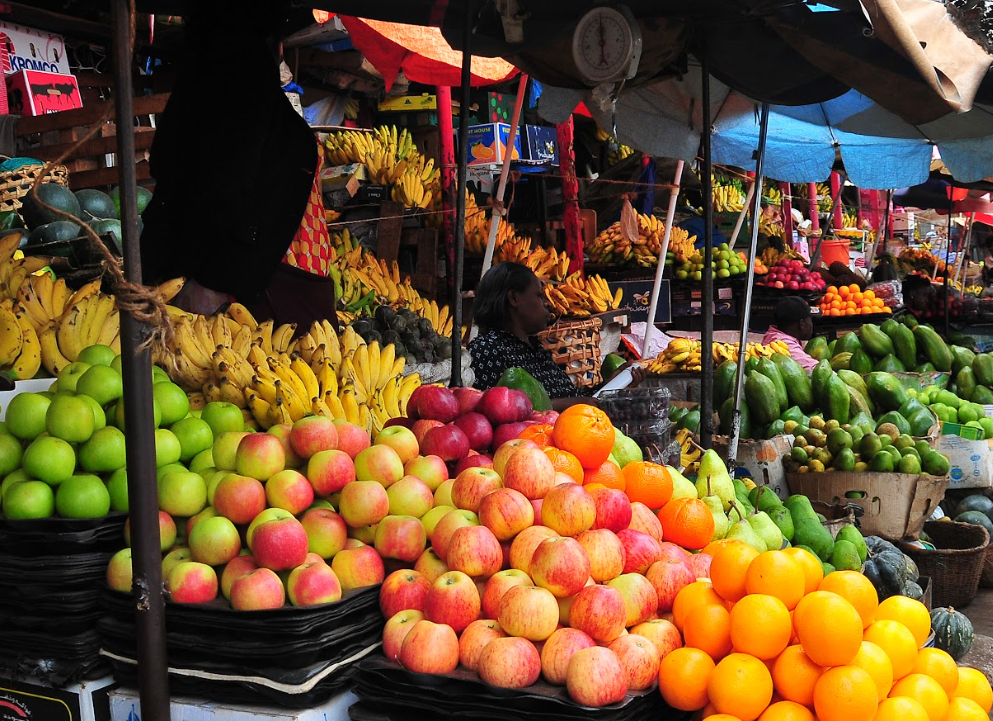
I moved around with confidence, especially when accompanied by local guides or when using trusted transportation arranged through my safari provider.
The Role of Guided Travel
One of the biggest factors that contributed to my sense of safety was traveling with experienced guides.
From airport pickup to park transfers and guided treks, everything was organized and handled professionally. The guides not only knew the routes and terrain but also understood how to navigate local conditions effectively.
Their presence made a significant difference.
They answered questions, provided reassurance, and ensured that every step of the journey was smooth and well-coordinated.
By the end of the trip, I realized that guided travel is not just convenient—it is one of the safest ways to explore Uganda.
Health and Travel Preparedness
Safety also extends to health and preparation.
Before traveling, I made sure to take recommended precautions, including vaccinations and travel health advice. During my trip, I carried basic essentials such as hand sanitizer, insect repellent, and a small first aid kit.
In places like Kibale National Park, where trekking involves dense forest environments, being prepared added to my comfort and confidence.
Lodges and accommodations also maintained good standards of cleanliness and care, which contributed to a safe and comfortable stay throughout the journey.
My Personal Experience of Safety
If I had to summarize my personal experience, I would say this: I never felt unsafe during my time in Uganda.
Instead, I felt guided, supported, and well-informed at every stage.
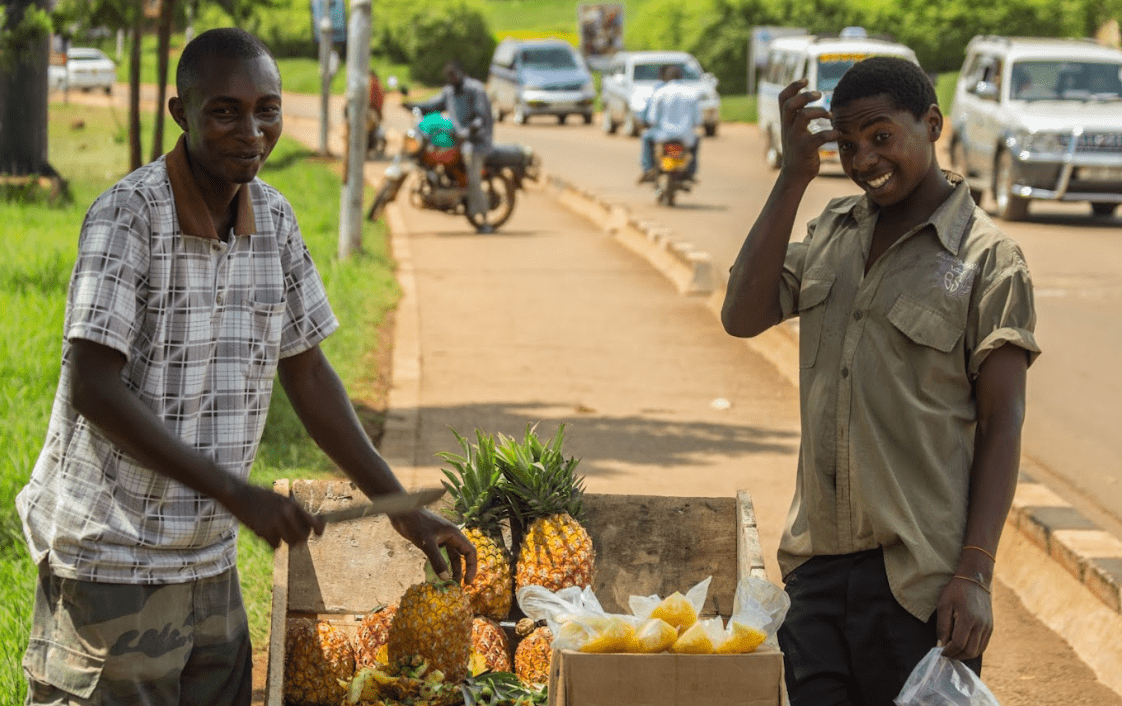
From wildlife encounters to long road journeys, everything was handled with professionalism and care. The combination of local expertise, structured tourism, and welcoming communities created an environment where I could focus on the experience rather than worry about safety.
Common Concerns vs Reality
Before traveling, I had read various opinions online. Some raised concerns, while others shared positive experiences.
After visiting, I realized that many of those concerns come from a lack of firsthand exposure.
The reality is that Uganda is a well-established safari destination with organized tourism infrastructure, experienced guides, and clear safety protocols in place—especially in national parks like Murchison Falls National Park and Queen Elizabeth National Park.
Like any destination, awareness and preparation matter—but they are complemented by systems designed to keep travelers safe.
What Made Me Feel Most Secure
Looking back, several factors contributed to my sense of security:
The presence of knowledgeable guides, structured itineraries, regulated national parks, and consistent hospitality all worked together to create a reassuring travel environment.
Equally important was the attitude of the people I encountered. There was a genuine sense of hospitality that made interactions feel natural and welcoming.
Traveling through Uganda changed my perspective on safety in travel.
It taught me that safety is not just about avoiding risk—it’s about preparation, guidance, and the environment you choose to explore.
Uganda, with its established safari circuits, experienced guides, and welcoming communities, offers a travel experience where safety is thoughtfully integrated into every stage of the journey.
Plan Your Safe Safari with Feather Trail Safaris
If you are considering a trip to Uganda and still have questions about safety, the best approach is to travel with a trusted and experienced operator.
Feather Trail Safaris ensures that every aspect of your journey, from airport transfers to gorilla trekking, is carefully planned and professionally managed.
Because when safety is handled well, you are free to do what truly matters, experience the beauty, wildlife, and unforgettable moments that Uganda has to offer. And from my experience, those moments are absolutely worth it. Book With Feather Trail Safaris!