
How Difficult is Gorilla Trekking in Rwanda? A Complete Fitness Guide for Travelers
Gorilla trekking in Rwanda is one of the most extraordinary wildlife experiences on Earth. Standing just a few meters away from a family of endangered mountain gorillas in their natural habitat is something that leaves travelers speechless. But before booking this once-in-a-lifetime adventure, one of the most common and practical questions travelers ask is: how difficult is gorilla trekking in Rwanda?
The short answer is: it depends. The difficulty level varies based on terrain, altitude, weather conditions, and your personal fitness level. The good news is that gorilla trekking is achievable for a wide range of travelers—including those who are not professional hikers—if you prepare properly and understand what to expect.
In this comprehensive fitness guide by Feather Trail Safaris, we break down everything you need to know about the physical demands of gorilla trekking, how to prepare, and how to make your experience as comfortable and enjoyable as possible.
Understanding Gorilla Trekking in Rwanda
Most gorilla trekking experiences in Rwanda take place in Volcanoes National Park, a breathtaking protected area located in the Virunga Mountains. This region is characterized by dense rainforest, bamboo forests, steep hills, and volcanic terrain.

Unlike a typical safari where you sit in a vehicle, gorilla trekking is an active experience. You will hike through forest trails—sometimes well-maintained, sometimes rugged—until you locate a habituated gorilla family.
The trek can last anywhere from 1 hour to 6+ hours, depending on the location of the gorillas on that particular day.
How Difficult is Gorilla Trekking, Really?
The difficulty of gorilla trekking is best described as moderate to challenging.
Factors That Affect Difficulty
1. Terrain
The terrain in Volcanoes National Park can be uneven, muddy, and steep. You may encounter:
- Slippery slopes
- Thick vegetation
- Narrow trails
- Sudden elevation changes
2. Altitude
Trekking takes place at elevations between 2,500 to 4,000 meters above sea level. At this altitude, even simple movements can feel more strenuous, especially if you’re not acclimatized.
3. Weather Conditions
Rwanda’s rainforest climate means conditions can change quickly:
- Rain can make trails muddy and slippery
- Humidity can make you tire faster
- Sun exposure at higher elevations can be intense
4. Duration of the Trek
Some gorilla families are located closer to the starting point, while others may require hours of hiking. You don’t choose the duration—it depends on where the gorillas are that day.
Who Can Do Gorilla Trekking?
One of the biggest misconceptions is that gorilla trekking is only for highly fit individuals. That’s not true.
People of different ages and fitness levels successfully complete treks every day.
You can trek if you:
- Can walk for a few hours with breaks
- Have basic mobility and balance
- Are comfortable on uneven ground
Even older travelers (60+) frequently complete treks with the help of guides and porters.
Gorilla Trekking Difficulty Levels Explained
While Rwanda doesn’t officially label treks as easy or hard, guides often assign groups based on fitness levels.
Easier Treks
- Shorter hiking time (1–2 hours)
- Less steep terrain
- Gorilla families located closer to trailheads
Moderate Treks
- 2–4 hours of hiking
- Some steep sections
- Requires decent stamina
Challenging Treks
- 4–6+ hours of hiking
- Steep climbs and dense vegetation
- Higher altitude zones
Want help choosing the right trek? Reach out to Feather Trail Safaris for a personalized recommendation tailored to your comfort level.
Fitness Requirements for Gorilla Trekking
You don’t need to be an athlete, but a reasonable level of fitness will greatly enhance your experience.
Key Fitness Components
1. Cardiovascular Endurance
You should be able to:
- Walk uphill for extended periods
- Maintain steady breathing
- Recover after short breaks
2. Leg Strength
Strong legs help with:
- Climbing slopes
- Navigating uneven ground
- Descending safely
3. Balance and Stability
You’ll often walk on:
- Muddy paths
- Roots and rocks
- Narrow forest trails
How to Prepare for Gorilla Trekking (Fitness Guide)
Preparing in advance can turn a challenging trek into an enjoyable adventure.
1. Start Walking Regularly
Aim for:
- 30–60 minutes of walking daily
- Include hills or stairs if possible
2. Add Strength Training
Focus on:
- Squats
- Lunges
- Step-ups
3. Practice Hiking
If possible:
- Hike on uneven terrain
- Use a backpack
- Wear hiking boots
4. Improve Endurance
Activities like:
- Cycling
- Swimming
- Jogging
will boost your stamina.
Need help planning your Rwanda safari itinerary including fitness-friendly trekking? Contact Feather Trail Safaris for expert guidance.
The Role of Guides and Porters
One of the best things about gorilla trekking in Rwanda is the support system available.
Professional Guides
Experienced guides:
- Lead the trek
- Set a manageable pace
- Help navigate terrain
Porters (Highly Recommended)
Hiring a porter can make a huge difference:
- They carry your backpack
- Assist on steep or slippery sections
- Provide physical support when needed
This small investment greatly reduces fatigue and improves safety.
👉 Book your gorilla trekking experience with full porter support through Feather Trail Safaris for a smoother journey.
What to Pack for a Comfortable Trek
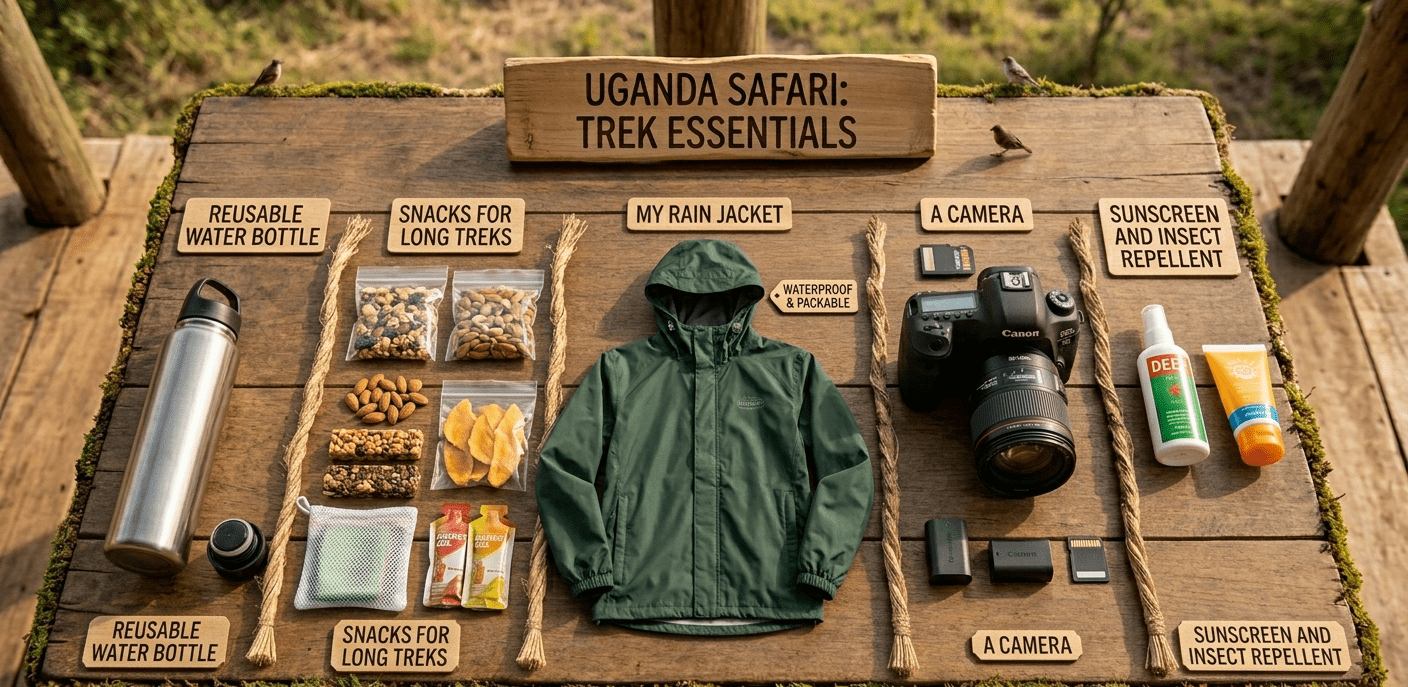
Having the right gear can significantly reduce difficulty.
Essential Items
- Hiking boots with good grip
- Long-sleeved shirts and trousers
- Rain jacket
- Gloves (for grabbing vegetation)
- Walking stick (often provided)
- Water and snacks
Mental Preparation Matters Too
Physical fitness is only part of the equation. Mental readiness plays a big role.
You should be prepared for:
- Unexpected changes in trekking time
- Physical exertion
- Challenging terrain
But remember—the reward is extraordinary.
Standing face-to-face with a mountain gorilla is worth every step.
Tips to Make Gorilla Trekking Easier
1. Go at Your Own Pace
There’s no rush. Guides adjust to your speed.
2. Stay Hydrated
Drink water regularly to maintain energy.
3. Use a Walking Stick
It improves balance and reduces strain on knees.
4. Hire a Porter
This is one of the best decisions you can make.
5. Choose the Right Season
Dry seasons (June–September, December–February) offer easier hiking conditions.
Comparing Rwanda with Other Destinations
Travelers often compare Rwanda with neighboring countries.
Compared to Uganda:
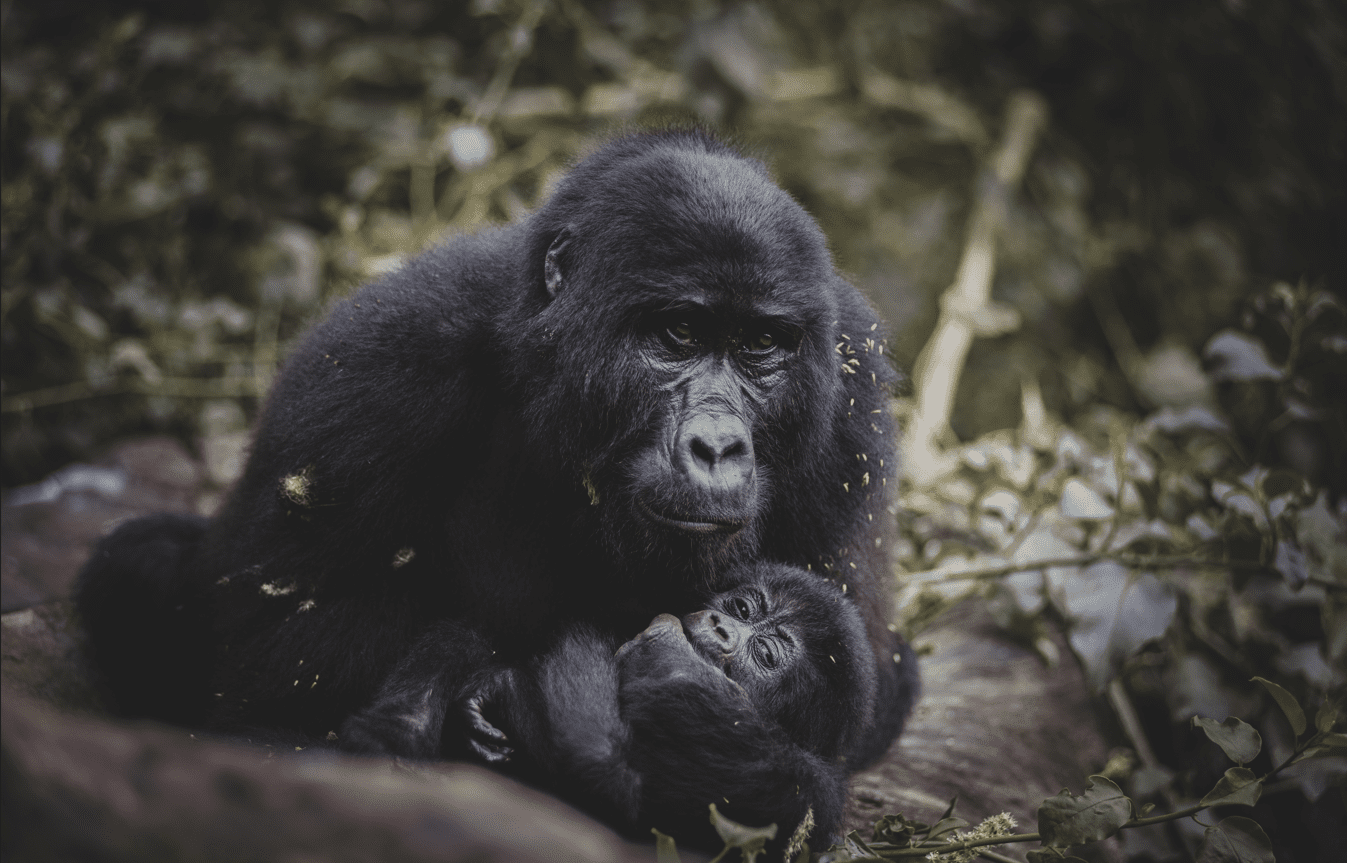
- Rwanda treks are generally shorter
- Trails are more accessible
- Infrastructure is more developed
This makes Rwanda a great option for travelers concerned about difficulty.
Is Gorilla Trekking Worth the Effort?
Absolutely.
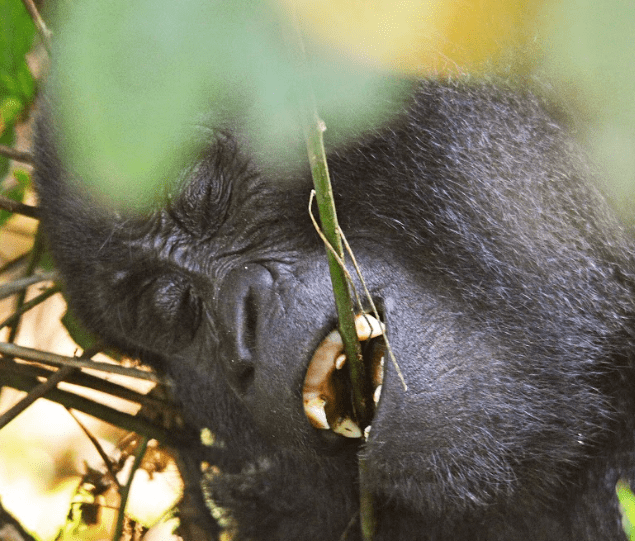
Despite the physical challenge, gorilla trekking is consistently rated among the top wildlife experiences in the world.
The moment you encounter a gorilla family, watching them interact, feed, and move through the forest, makes every step worthwhile.
Why Choose Feather Trail Safaris?
At Feather Trail Safaris, we understand that every traveler is different. That’s why we:
- Match you with the right trekking group
- Provide detailed pre-trip guidance
- Arrange experienced guides and porters
- Customize your itinerary for comfort and enjoyment
Ready to plan your Rwanda gorilla trekking adventure? Contact Feather Trail Safaris today and let us create a personalized safari experience just for you.
Lastly
So, how difficult is gorilla trekking in Rwanda?
It can be challenging, but it is absolutely achievable for most travelers with the right preparation, mindset, and support.
Whether you’re moderately fit or simply determined, this experience is within your reach.
With proper planning and expert assistance from Feather Trail Safaris, you can turn what seems like a demanding hike into one of the most rewarding adventures of your life.
Start Your Journey Today
Don’t just dream about seeing mountain gorillas, experience it.