

Burundi Travel Insurance: What’s Covered & Why It’s Essential
The misty highland peaks, dense montane forests, and turquoise waters of the Albertine Rift offer an incredible alternative to more commercialized travel routes. For independent explorers, wildlife photographers, and heritage enthusiasts, this small East African country represents one of the final true frontiers of authentic travel. From standing in awe before the thunderous rhythms of the Royal Drummers at Gishora to tracking chimpanzees through deep primary canopies, the country delivers raw, unforgettable adventures. However, because its healthcare networks are developing and remain disconnected from modern global electronic payment grids, planning a trip here requires a detailed approach. Consulting our comprehensive guide on Burundi Travel Insurance: What’s Covered & Why It’s Essential is a critical step to ensure your expedition remains seamless, secure, and perfectly managed from start to finish.
When organizing an African safari, travelers often focus entirely on date-specific primate permits, high-end mobile glamping, and private 4×4 land cruisers. Pushing insurance planning to the last minute. In reality, moving between nearby destinations like Tanzania, Rwanda, or the Democratic Republic of the Congo reveals vastly different infrastructure realities, safety rules, and emergency medical systems. While some countries feature localized trauma centers. Burundi operates within a highly centralized, emerging healthcare framework. Failing to secure the right type of international policy can leave you personally responsible for massive out-of-pocket expenses during an unexpected event. By understanding what is covered, setting up adequate evacuation limits, learning local claim rules, and accounting for standard policy exclusions, you can travel with complete confidence. Let’s dive into the essential rules, operational realities, and protection practices that define travel in this beautiful region.
Section 1: The Critical Reality of Local Healthcare Infrastructure
To understand why a specialized insurance policy is so critical, you must first look at the structure and limitations of medical services across the country.
Geographic Concentration of Advanced Medical Care
Outside the capital city of Bujumbura, premium medical infrastructure is extremely scarce. Provincial towns like Gitega, Ngozi, and Rumonge have basic regional hospitals. They lack advanced trauma equipment, complex diagnostic machinery, intensive care units (ICUs), and English-speaking medical specialists.
If you face a sudden medical emergency while tracking chimpanzees in Kibira National Park. On the other hand exploring the remote boundaries of Ruvubu National Park, the local clinics will only be able to provide basic stabilization. For any complex surgical intervention or severe trauma care, you will need to be transported back to the capital or evacuated out of the country entirely.
The Upfront Cash Payment System
A common misconception among international vacationers is that presenting a premium insurance card at a local hospital lobby guarantees immediate, cashless admission. In Burundi, the medical system operates strictly on an upfront payment basis.
Private clinics and public facilities require patients, including foreign tourists, to pay cash or swipe a credit card for all consultations. The laboratory tests, medications, and hospital bed rentals before any treatment is provided. Because a brief hospital stay can quickly run into thousands of dollars. Plus having access to emergency backup funds alongside your insurance plan is vital. This financial preparation is a standard part of booking our customized Burundi Tours.
Emergency Medical Evacuation Coverage – The True Priority
When reviewing policy options, the emergency medical evacuation rider is the single most critical element of your entire plan.
Understanding the Mechanics of an Emergency Airlift
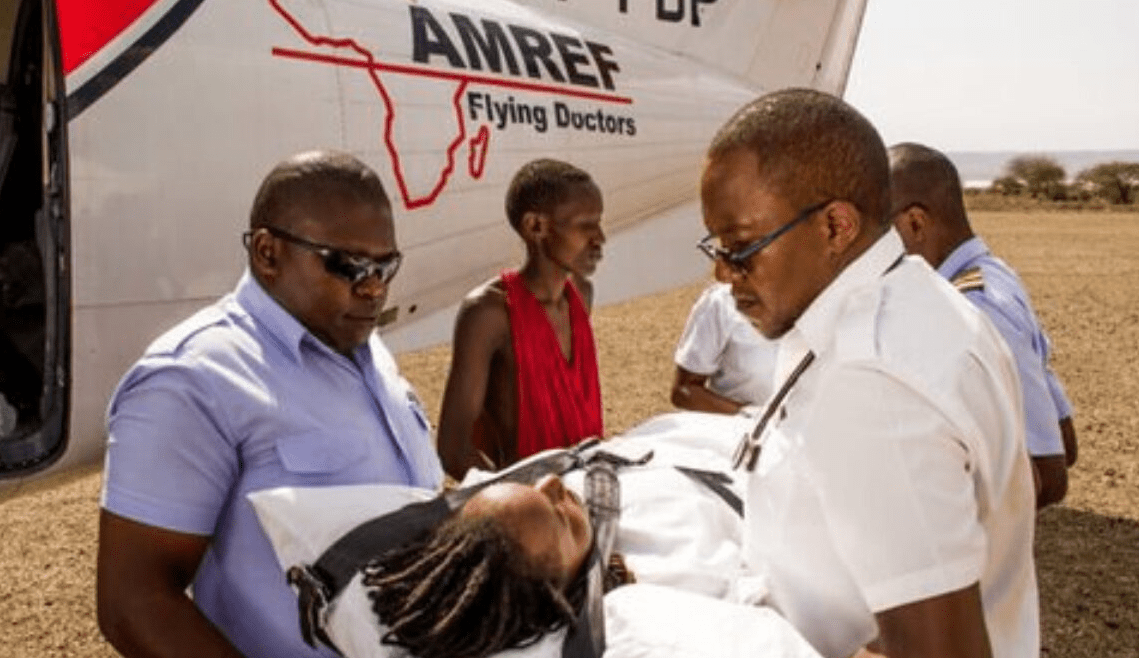
If a traveler suffers a severe illness or injury in a remote area, local emergency services cannot provide rapid long-distance road transport. An emergency medical evacuation means dispatching a specialized air ambulance airplane or helicopter. This is complete with a trained ICU flight crew, from a regional hub like Nairobi, Kenya, or Johannesburg, South Africa.
The air ambulance crew must fly into Bujumbura’s airport, clear international customs. Then secure local landing permits, stabilize the patient, and fly them back to a world-class regional hospital. This complex process is the standard emergency protocol when booking our deep-forest Primate Safaris.
The 250,000 USD Minimum Boundary
Because chartering a private medical aircraft across international borders involves massive operational costs. The standard 20,000 or 50,000 USD emergency medical limits on basic credit card policies are completely inadequate.Mandatory Insurance Standard: Your travel insurance policy must explicitly feature a minimum of 250,000 USD in emergency medical evacuation and repatriation coverage.
Without this high-limit buffer, an air ambulance company will not dispatch an aircraft until your family clears a massive personal wire transfer. Securing this level of protection ensures you aren’t left holding life-saving bills yourself, a vital safeguard when connecting to a wider East Africa Safari itinerary.
3: What Is Typically Covered in a Safari-Grade Policy
A comprehensive, adventure-grade travel insurance policy protects your trip across three main pillars: medical emergencies, logistical disruptions, and property losses.
1. Emergency Medical Treatment
A premium policy covers the costs of unexpected, acute medical needs during your vacation. This includes emergency room fees, surgical interventions, prescription medications, X-rays, and daily hospital room costs.
In East Africa, this also covers treatments for acute tropical illnesses like malaria, cholera, dengue fever, and yellow fever, provided you have taken standard preventative steps and haven’t traveled against explicit government advisories.
Section 2. Trip Interruption, Cancellation, and Delays
Traveling through developing regions means keeping your logistics flexible. A robust policy protects your upfront financial investments if your trip is disrupted by unexpected events:
Trip Cancellation: Reimburses your non-refundable expenses (such as airline tickets, park permits, and lodge bookings) if you must cancel your trip before departure due to a covered reason, like a sudden family illness or injury.
Trip Interruption: Covers the added costs of booking emergency return flights if an unexpected crisis forces you to cut your vacation short.
Missed Connections and Delays: Reimburses your meals, local transport, and hotel stays if bad weather or mechanical failures cause you to miss a critical regional flight connection.
Section 3. Baggage Loss, Damage, and Theft
Pre-Existing Medical Conditions
If you manage a chronic health condition, such as asthma, diabetes, or a cardiac history, standard travel policies will not cover any complications arising from that condition while abroad.
To protect your health and your budget, you must purchase your travel policy within 14 to 21 days of making your initial trip deposit. This timing allows you to qualify for a Pre-Existing Medical Condition Exclusion Waiver. This ensure any unexpected flare-ups are treated with the same high-level coverage as a new illness. This precaution is highly recommended for older travelers looking into our regional Rwanda Tours.
Section 5: The Step-by-Step Emergency Claim Protocol
If you face an emergency in the field, following a structured documentation process is vital to ensure your insurance company approves your reimbursement claim smoothly
1. Call the 24/7 Emergency Assistance Hotline Immediately
Every reputable travel insurance company provides a dedicated, international 24/7 emergency telephone number on your policy certificate. Store this number, along with your policy code, in your mobile phone and write it down on a paper card in your wallet.
In the event of an accident or sudden illness. Contact this hotline immediately before agreeing to major medical procedures or air evacuation. The insurance coordinators will communicate with local doctors, verify your coverage limits, and begin arranging logistical support.
2. Collect Comprehensive, French-Language Documentation
Because French and Kirundi are the official languages of Burundi, Doctors will write all your medical charts, prescriptions, and laboratory invoices in French. Local hospital networks will not provide English translations.
When clearing your bills, ensure the attending physician signs a detailed medical report outlining the diagnosis. The treatment provided, and explicit reasons why condition the disrupted travel. Keep every single piece of paper, including medicine boxes and receipt stubs. As your claims adjuster will require itemized proof for every dollar spent.
Why Book Your Expedition with Feather Trail Safaris
Managing an intricate holiday itinerary across East Africa involves balancing many specific details. This include tracking current border closures, securing clean foreign banknotes. Plus booking reliable private 4×4 vehicles, and choosing verified secure hotels. Attempting to manage these complex arrangements independently can easily lead to banking errors, unexpected expenses, or logistical delays in the field.
At Feather Trail Safaris, we specialize in organizing seamless, premium, and thoroughly vetted regional tours. We handle every single detail of your journey on your behalf. This is right from covering your lodge fees and vehicle costs upfront to providing immaculate 4×4 land cruisers and pairing you with the most experienced local driver-guides. Our deep regional knowledge, strict safety standards, and premium travel network ensure you enjoy an authentic, stress-free, and unforgettable adventure.
Ready to secure a perfectly managed journey through the heart of Africa? Contact Us today to connect with a dedicated travel planner and begin designing your custom itinerary.