
Burundi Travel Safety: What You Need to Know Before Going
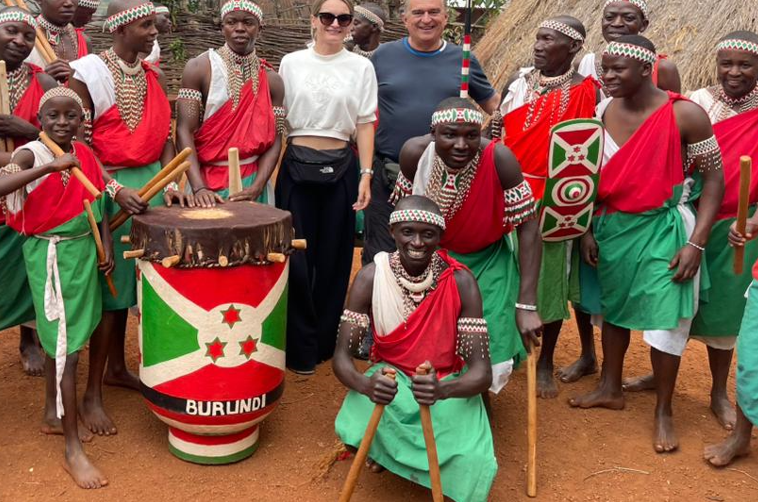
For intrepid world travelers, photographers, and wildlife enthusiasts, the rolling green landscapes of the Albertine Rift offer an uncrowded and entirely raw travel frontier. From watching the spectacular, synchronized choreography of the Royal Drummers to tracking chimpanzees across primary canopy forests, this remarkable country offers unforgettable experiences far removed from commercial mass tourism. However, because its infrastructure is still developing and parts of the region experience geopolitical changes, planning an expedition here requires a detailed approach. Fulfilling the criteria laid out in this comprehensive Burundi Travel Safety: What You Need to Know Before Going guide is an essential step to ensure your holiday remains entirely secure, legally compliant, and stress-free.
When analyzing international travel warnings, it is common to encounter rigid global declarations that classify entire nations under a single blanket safety rating. In reality, security levels change dramatically depending on the specific province, the time of day, and the type of ground transportation you select. While certain border boundaries demand caution due to regional rebel activities, core historical hubs like Bujumbura and Gitega remain highly welcoming to guided groups. By utilizing private, professional ground logistics, choosing secure lodging, avoiding night travel, and monitoring local media, you can explore this beautiful frontier safely. Let’s look at the essential safety protocols, high-risk zones, financial security habits, and field guidelines that define successful travel today.
Monitored Border Areas and Restricted Forest Sectors
The vast majority of significant security incidents are concentrated along the immediate western border sharing a frontier with the Democratic Republic of the Congo (DRC). International government advisories, including updates from the [suspicious link removed], strongly advise travelers to avoid independent exploration inside Cibitoke Province, Bubanza Province, and the northernmost sections of Kibira National Park near the RN10 highway. These specific backcountry zones face risks from cross-border armed incursions and rebel activities. For safety, stay on approved roads with local guides.
Stabilized Urban Cores and Cultural Highlights
In sharp contrast to the western frontier, the urban limits of the capital city, Bujumbura, the lakeside resort strips of Lake Tanganyika, and the centralized cultural capital of Gitega maintain stable conditions. In these areas, day-to-day life moves peacefully, local markets thrive, and international tourists move freely during daylight hours without experiencing security problems. These secure, welcoming zones form the foundation of our custom-tailored Burundi Tours.
The Golden Rule of African Transit: Avoid Night Travel
The most effective safety measure a traveler can implement in East Africa is a strict ban on long-distance road transit after dusk.
Managing Hazardous Infrastructure and Visibility
Road safety hazards increase exponentially once the sun sets. Major arterial highways connecting primary urban nodes lack streetlights, reflecting cat-eyes, and painted lane markers. Deep potholes, broken-down commercial cargo trucks left parked directly in active lanes, and unlit agricultural vehicles can surprise drivers around blind mountain turns. Restricting all vehicle movements to daylight hours (typically between 6:00 AM and 6:00 PM) removes these infrastructure risks completely.
Navigating Local Checkpoints After Dark
During the day, police and military checkpoints are standard, efficient, and friendly stops designed to maintain regional stability. Officers will check your vehicle registration papers, review passenger tourist clearance slips, and wave you through smoothly. However, after dark, visibility drops and security teams become much more cautious. Approaching checkpoints at night can lead to intensive vehicle searches, long delays, and stressful interactions. Planning arrival windows well before sunset ensures your ground transfers remain simple and easy, a core logistical focus across our Primate Safaris.
Urban Safety: Protecting Your Belongings in Bujumbura
While violent crime targeting foreign tourists is uncommon, petty property theft, pickpocketing, and opportunistic purse snatching can happen in crowded urban spaces.
-
Conceal Premium Production Equipment: Avoid walking through open-air markets or public avenues with high-end mirrorless camera bodies, massive telephoto zoom lenses, or expensive smartphones exposed around your neck. Keep your gear packed securely inside an unassuming daypack until you reach your designated destination.
-
Leave Luxury Items in Safes: Leave flashy jewelry, designer watches, and large amounts of physical cash secured inside your hotel room’s digital safe. Looking modest while exploring city spaces prevents you from becoming an appealing target for pickpockets.
- Keep Vehicle Windows and Doors Locked: When traveling through urban gridlock or slow-moving market streets, keep your vehicle doors locked and your side windows rolled up completely. This simple habit prevents opportunistic “grab-and-dash” phone thefts through open car windows.
- Avoid Unlit Areas at Night: If you want to sample local cuisine or explore Bujumbura’s vibrant dining scene, always utilize a trusted private vehicle transfer directly from your hotel lobby to the restaurant entrance. Avoid walking or jogging along unlit public streets or remote lakeside beaches after dark.
Expert Photography Rule: Taking photographs or drone footage of military encampments, police checkpoints, government offices, presidential residences, or aviation security complexes is strictly illegal and can lead to immediate equipment seizure, heavy fines, or detention. Always ask your professional guide for permission before pressing the shutter button near any public infrastructure.
Vital Medical Preparations and Border Health Rules
Protecting your physical health is just as important as maintaining standard on-the-ground physical security during your African expedition.
The Mandatory Yellow Fever Vaccination
To clear immigration control at your port of entry, all international travelers must present a valid physical Yellow Fever International Certificate of Vaccination card. This health check is strictly enforced alongside your passport. You must receive the vaccination at least ten days prior to your flight to ensure it is legally valid. This essential document is standard for all travelers across our Rwanda Tours.
Managing Malaria and Insect-Borne Risks
Because malaria-carrying mosquitoes are active year-round across the country’s diverse altitudes, taking preventative steps is highly recommended. Consult a qualified travel clinic several weeks before departure to select an effective antimalarial prophylactic medication that fits your medical history. Supplement your prescription by applying high-concentration DEET or Picaridin bug sprays, wearing long-sleeved permethrin-treated shirts during dusk tracking hours, and sleeping beneath insecticide-treated bed nets inside your lodge rooms.
Choosing Secure Luxury Accommodations
Where you choose to sleep at night plays a fundamental role in your overall security setup. Choosing high-end lodging ensures peace of mind throughout your stay.
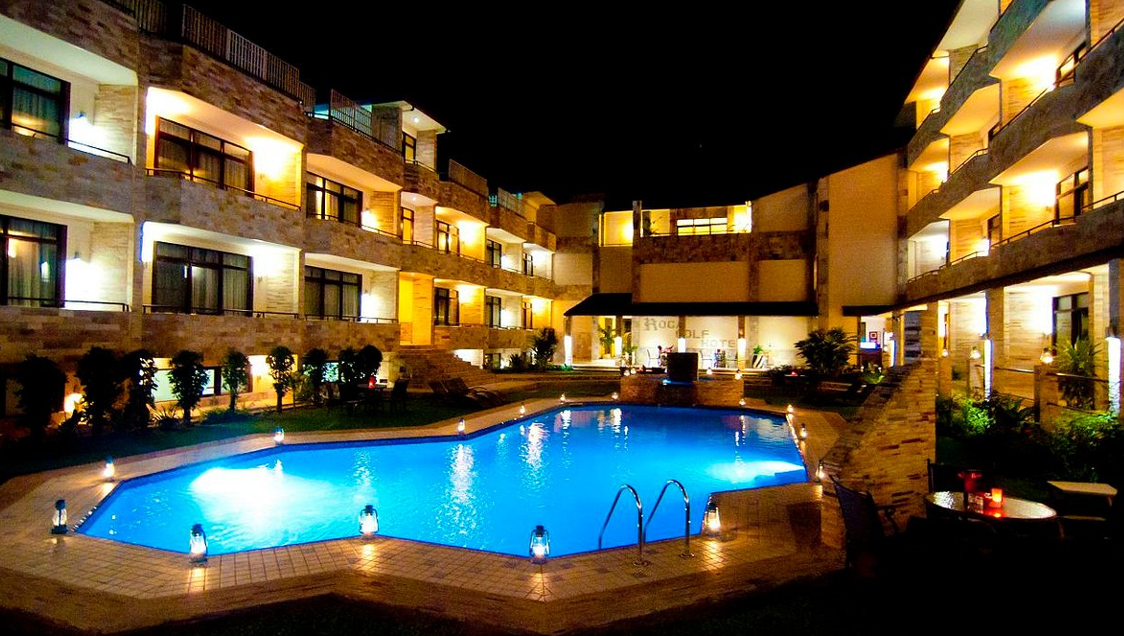
Premium eco-lodges and luxury hotels featured in our tour packages maintain strict, multi-layered security protocols to protect international guests. These properties utilize 24/7 professional guard teams, automated perimeter fencing, secure entry check gates, internal surveillance systems, and dependable digital room safes. Furthermore, these properties operate independent backup power generators, advanced water-filtration loops, and reliable satellite internet systems, allowing you to stay connected and charge your camera gear safely. This focus on reliable, high-end infrastructure underpins all our hand-selected lodge partnerships.
The Critical Value of an Experienced Tour Operator
Trying to arrange independent travel through an area with limited public transit, changing border rules, and low English literacy rates can introduce unnecessary risks.
When you choose to travel with a reputable operator like Feather Trail Safaris, you gain an elite security network that looks after you from arrival to departure. Our professional local guides speak fluent Kirundi, French, and English, understand local community nuances, maintain direct contacts with regional park rangers, and monitor safety alerts in real time. We use immaculately maintained, custom 4×4 safari vehicles equipped with advanced communication gear, ensuring you stay safely away from high-risk zones while enjoying a smooth and memorable journey.
Why Choose Feather Trail Safaris for Your Journey
Coordinating an immersive vacation through Burundi involves managing highly specific details—including tracking active border updates, arranging secure private 4×4 vehicles, hiring experienced local drivers, and choosing certified hotels. Trying to navigate these technical logistics on your own can quickly compromise your safety and peace of mind.
At Feather Trail Safaris, we specialize in designing seamless, premium, and thoroughly vetted multi-country African expeditions. We manage every single detail of your safety plan, from providing private, professional airport transfers and utilizing pristine 4×4 vehicles to arranging experienced local guides, coordinating border documents, and reserving stays at premium eco-lodges with top-tier security networks. Our deep local knowledge, careful planning, and commitment to client comfort ensure you enjoy an authentic, enriching, and entirely secure adventure.
Ready to explore the undiscovered treasures of the Albertine Rift with complete peace of mind? Contact Us today to speak with a dedicated travel planner and begin customizing your upcoming dream itinerary.
FAQ
What is the Burundi Travel Safety: What You Need to Know Before Going guide?
This official security guide outlines critical safety protocols for international tourists, mapping out stable regions versus high-risk borders, nighttime travel bans, health regulations, and urban asset management tips.
Is Burundi safe for international tourists to visit right now?
Yes, Burundi can be safe for tourists who travel through a reputable tour operator, utilize private drivers, and stay within stabilized tourist zones like Bujumbura, Gitega, and Lake Tanganyika, while avoiding high-risk borders.
Which specific regions are considered high-risk zones in Burundi?
Government travel advisories recommend avoiding travel to Cibitoke and Bubanza provinces along the western DRC border, as well as northern sections of Kibira National Park due to the risk of cross-border rebel incursions.
Why is traveling at night strongly discouraged across the country?
Night travel is hazardous due to poor infrastructure visibility, unlit obstacles, and unpredictable security checkpoints. Restricting all vehicle movements to daylight hours eliminates these risks completely.
Can I use my international credit cards at local businesses in Burundi?
No, the local economy is heavily cash-based. Credit cards are only accepted at a few luxury hotels in Bujumbura. You should carry crisp, post-2021 US Dollar banknotes to exchange at authorized bureaus.
Is a Yellow Fever vaccination certificate required for entry?
Yes, a valid physical Yellow Fever International Certificate of Vaccination is strictly mandatory for all incoming travelers and must be administered at least ten days prior to your arrival at border control.
Am I allowed to fly a drone or take pictures anywhere I want?
No, taking photographs or drone footage of government offices, military assets, checkpoints, or airports is strictly illegal and can lead to heavy fines or equipment seizure. Always ask your guide first.