
Burundi Health & Vaccinations: Pre-Travel Medical Requirements
For bold world travelers, wildlife photographers, and heritage enthusiasts, the rolling landscapes of the Albertine Rift represent one of the final true frontiers of authentic travel. From witnessing the ancient, thunderous choreography of the Royal Drummers to tracking chimpanzees across primary canopy forests, this remarkable country offers unforgettable experiences far removed from commercial mass tourism. However, because its infrastructure is still developing and its ecological zones differ widely, planning a successful expedition here requires a detailed approach. Prioritizing the criteria laid out in this comprehensive Burundi Health & Vaccinations: Pre-Travel Medical Requirements guide is an essential first step to ensuring your holiday remains entirely secure, legally compliant, and stress-free.

While advanced safari planning often focuses on date-specific chimpanzee tracking permits, high-end mobile glamping, and private 4×4 land cruisers, neglecting your medical logistics can put your entire vacation at risk. Health authorities emphasize that starting your pre-travel medical preparations at least six to eight weeks before departure is mandatory for proper vaccine efficacy. By finalizing mandatory documentation, initiating essential prophylactic regimens, arranging expert medical evacuation insurance, and learning field hydration habits, you can explore this beautiful frontier with complete confidence. Let’s look at the baseline rules, dynamic advisories, financial preparations, and standard on-the-ground health protocols shaping travel in 2026.
Dynamic Health Advisories and Consulting Experts
Navigating international travel health requires monitoring shifting regional advisories and consulting professional practitioners before you embark.
Relying on Authoritative Data Sources
Before locking in your medical itinerary, it is mandatory to review the live health notices and risk assessments provided by world-class regulatory bodies. Organizations like the Centers for Disease Control and Prevention (CDC) and the World Health Organization (WHO) update their country-specific portals immediately following any dynamic changes in viral disease prevalence, local outbreaks, or environmental risks. Checking these official government resources ensures your plan is based on current data rather than outdated generalized recommendations.
The Mandatory Travel Clinic Consultation
While automated online health lists provide helpful context, they cannot replace personalized medical advice. It is strictly recommended that every traveler schedule a dedicated consultation with a qualified travel health clinic or tropical medicine specialist at least eight weeks before departure. During this meeting, a professional practitioner will review your specific medical history, analyze your intended multi-country loop, assess current risks at your destinations, and design a customized vaccination schedule. This session also provides the perfect window to initialize necessary prescriptions, a prerequisite standard for all our personalized Primate Safaris.
mandatory Documentation: The Yellow Fever Certificate
Understanding the mandatory baseline requirements protects you from being denied boarding or entry at the border.
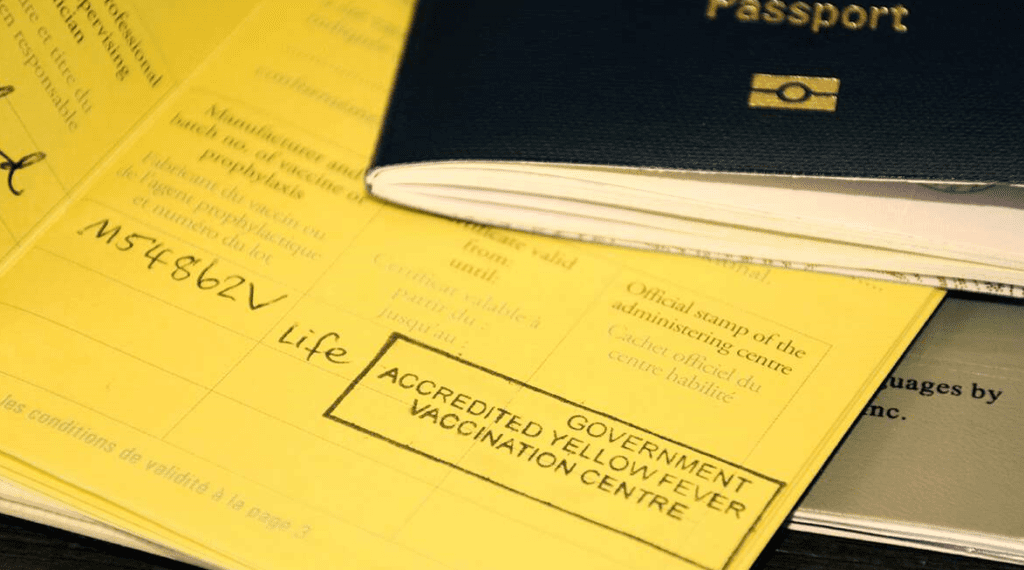
The single most critical health document you will possess is a valid physical Yellow Fever International Certificate of Vaccination, often contained inside the “Yellow Card” booklet. Burundian immigration officers strictly enforce this Mandatory Yellow Fever Certificate Burundi rule for all incoming international travelers over one year of age. This health protocol is mandatory to protect the region from cross-border viral transmission.
Navigating the Validity Window
It is essential to administer the Yellow Fever vaccine at least ten days prior to your intended date of entry into the country. Immigration authorities will not recognize the certificate as legally valid if it is dated less than ten days old. Ensure this timeline is finalized weeks before your departure, as the certificate is closely inspected alongside your passport, a standard verification process across all our multi-country East Africa Safaris.
recommended Vaccinations for regional Protection
While Yellow Fever is the only universally mandatory vaccine, health authorities strictly recommend a suite of additional routine and dynamic immunizations to shield against specific risks prevalent in Central Africa.
Baseline Routine Immunizations
Before initiating any niche travel vaccines, ensure your baseline routine immunization schedule is entirely up to date. This mandatory baseline includes current shots for Tetanus, Diphtheria, Pertussis, Polio, and the Measles-Mumps-Rubella (MMR) series. Fulfilling these baseline rules protects you from diseases that are easily preventable but still common in many developing nations.
Safari-Specific Immunizations
Depending on your specific itinerary loops, particularly those involving village cultural interactions, primates, or extensive rural transit, your travel clinic practitioner may advise additional protections:
Hepatitis A & B: Strictly recommended for all travelers to Central Africa due to contaminated water and food risks.
Typhoid: Administered via oral capsules or a single injection, protecting against waterborne bacterial infections.
Meningococcal Meningitis: Advised for travelers visiting during the dry season (December-June) when risk increases.
Rabies: Strictly recommended for travelers spending significant time outdoors, particularly if handling or working near any wildlife or domestic animals, an invaluable protection standard integrated across all our hand-selected Burundi Tours.
Malaria prevention and Insect-Borne Risks
Malaria represents one of the most severe health risks facing travelers in sub-Saharan Africa. Taking comprehensive prophylactic steps is an absolute prerequisite before your expedition.
Standard Antimalarial Prophylaxis
Malaria-carrying mosquitoes are active year-round across all altitudes in the region. It is essential to consult your travel clinic practitioner to select an effective antimalarial prophylactic regimen that fits your medical history. Common prescribed options include Malarone, Doxycycline, or Lariam. It is mandatory to initiate your specific regimen before you arrive in the risk zone and continue it strictly as prescribed for the duration of your stay and several weeks after you return home to prevent dormant infections.
The Standard Field Protection Protocol
Relying solely on medication is insufficient. Fulfilling the field protection criteria removes dynamic vectors from your environment. Always apply high-concentration DEET or Picaridin mosquito repellent sprays to exposed skin during the peak mosquito activity hours of dusk and dawn. Additionally, wear permethrin-treated, long-sleeved clothing to prevent bites through fabric, and always sleep under an insecticide-treated bed net inside your lodge rooms. These simple habits are paramount for staying healthy on safari.
Drinking Water Safety and Hydration Logistics
Waterborne illnesses can instantly derail your entire vacation. Learning strict field hydration habits is essential for maintaining your health on the trails.
The Mandatory Bottled Water Standard
Independent travelers must never consume tap water from local faucets. We strongly advise that all travelers consume exclusively sealed, commercial bottled spring water or utilize high-quality water-filtration purification systems during their entire safari, including when brushing teeth, preparing coffee, or washing fresh fruits. Maintaining this strict boundary protects you from cholera, giardia, and various bacterial dysentery strains that easily trick travelers, a paramount hydration rule highlighted across all our premium Cultural Tours.
Field Purification Tools for Adventurers
If your itinerary loops involve deep backcountry exploring far from reliable urban supply centers, carrying high-performance personal water purification tools is recommended. Devices like the Sawyer Squeeze, LifeStraw Peak, or Katadyn BeFree allow you to safely purify water from any freshwater source. Always use purification systems with microfilter absolute pore sizes of 0.2 microns or smaller to remove both protozoa and bacteria effectively. This level of field preparedness is mandatory for all multi-country East Africa Safaris operating far from major hubs.
Comprehensive medical Evacuation Insurance – A prerequisite standard
Travelers must acknowledge that beyond the limits of Bujumbura, premium medical infrastructure is extremely scarce, emphasizing the need for robust financial protection.
While high-end lodges and our custom 4×4 land cruisers offer a sterile and comfortable bubble, serious accidents or sudden illnesses in remote Nature Reserves require rapid extraction to a center of advanced medical care. Independent local clinics and rural hospitals lack complex trauma units, advanced diagnostics, or specialized surgical capabilities.
Selecting Expert Africa Coverage
It is not enough to have standard travel cancellation insurance. Independent operators strictly recommend securing an explicit, high-limit medical evacuation insurance policy designed for Africa. These specialized policies cover the massive costs of emergency helicopter or private air ambulance extraction from remote park boundaries directly to state-of-the-art facilities in major hubs like Nairobi, Johannesburg, or your home country. This financial preparation is a prerequisite standard integrated across all our हाथ-vetted and hand-selected lodge partnerships. Fulfilling these criteria ensures you are protected from crippling medical extraction costs.
Sustainable Travel and Wildlife Conservation
Our tour company operates on a foundation of eco-conscious, responsible, and low-impact travel. We partner directly with local community guides, park rangers, and site conservation groups to ensure tourism supports wildlife protection and grassroots growth.
Our itineraries align with sustainable development guidelines supported by the East African Community and the Rwanda Development Board. We partner with eco-lodges that implement strict waste management practices, minimize single-use plastics, and support local farming and fishing cooperatives. This sustainable model helps preserve these delicate habitats, ensuring wildlife populations remain healthy and vibrant for future generations of adventurers.
Why Choose Feather Trail Safaris for Your Trip
Organizing a smooth, multi-country African expedition involves coordinating date-specific primate permits, private boat charters, regional flights, and high-end lodge reservations. Trying to arrange these complex logistics independently can add unnecessary stress to your adventure planning.
At Feather Trail Safaris, we specialize in creating seamless, stress-free, and sustainable multi-country African expeditions. We manage every single detail of your journey, from securing premium gorilla tracking permits and private ground transport to arranging private boat charters, regional flights, border documentation, and bookings at premium eco-lodges featuring excellent charging hubs. Our experienced local guides, strongest regional relationships, and commitment to creative pacing ensure you return home with an elite professional experience.
FAQ
What is the Burundi Health & Vaccinations: Pre-Travel Medical Requirements guide?
This official health guide provides an essential overview of the baseline logistics international travelers need before entering Burundi, covering dynamic advisories, mandatory documentation, essential prophylactic regimens, drinking water standard operating procedures, and medical evacuation insurance guidelines.
Is the Yellow Fever vaccination mandatory for all travelers?
Yes, a valid physical Yellow Fever International Certificate of Vaccination is absolutely mandatory for all incoming travelers over one year of age. Immigration officers verify this certificate alongside your passport at all port-of-entry checkpoints.
How do I know if I need Malaria prophylaxis before my trip?
Malaria-carrying mosquitoes are active year-round across all altitudes. Travelers must consult a travel clinic practitioner at least eight weeks before departure to select and initialize an effective antimalarial prophylactic regimen.
What is the safe drinking water protocol in Burundi?
Independent travelers should consume exclusively sealed, commercial bottled spring water for all drinking and teeth brushing. We strongly advise against tap water consumption, making it an essential prerequisite standard standard of all our tailored tour packages.
Am I required to secure medical evacuation insurance for this safari?
Yes, high-end international operators strictly recommend that all travelers secure specialized medical evacuation insurance before their journey. Regional medical care outside Bujumbura is extremely scarce, making reliable aerial extraction capability mandatory.
What visas are required for entering Burundi and Rwanda during the tour?
Visas are required for both nations. Rwanda offers straightforward visas-on-arrival, while Burundi requires travelers to secure an approved eVisa or pre-clearance letter before you arrive.
How do family safaris handle children’s health requirements?
Family-friendly packages utilize immaculate private 4×4 vehicles, prioritize lodges with fenced perimeters and swimming pools, and integrate educational tracking workbooks, though primate trekking maintains a strict minimum age of 15.
How can I book a fully managed, worry-free custom safari itinerary?
You can easily coordinate a perfectly managed, luxury cross-border vacation by submitting a detailed request through our website’s main inquiry and contact form.
Ready to secure a perfectly managed, worry-free adventure during the optimal season? Contact Us today to speak with an expert East African safari planner.