
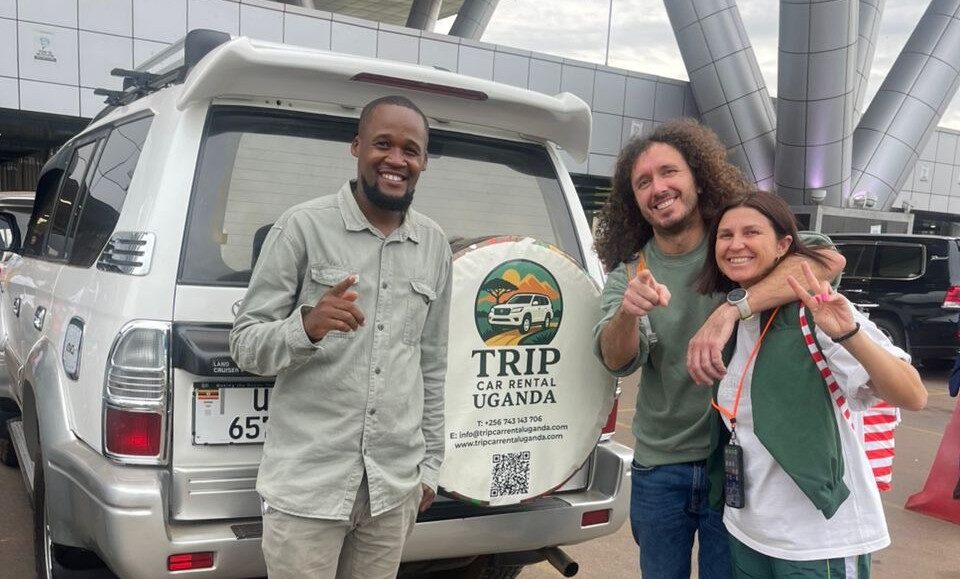
A Practical Guide for Safari and Self-Drive Travelers
Uganda rewards travelers who take to the road. Between the rolling tea estates of the southwest, the savannah plains of Murchison Falls, and the misty slopes leading to gorilla territory, much of the country’s best scenery unfolds between destinations, not just at them. That makes the right vehicle one of the most important decisions in planning a Uganda trip, whether you are self-driving or arranging a driver-guide. This guide walks through what to know before you book a rental car in Uganda.
Why a Rental Car Matters in Uganda
Public transport in Uganda is not built around tourist itineraries, and distances between national parks are long, often five to eight hours on a single travel day. A dedicated rental vehicle gives you control over your schedule, the freedom to stop for wildlife crossing the road or a viewpoint over the Rift Valley, and access to lodges and trailheads that shared transport simply does not reach. For families, small groups, or independent travelers piecing together a multi-park itinerary, a rental car is often the difference between a trip that flows and one spent waiting on connections.
Choosing the Right Vehicle
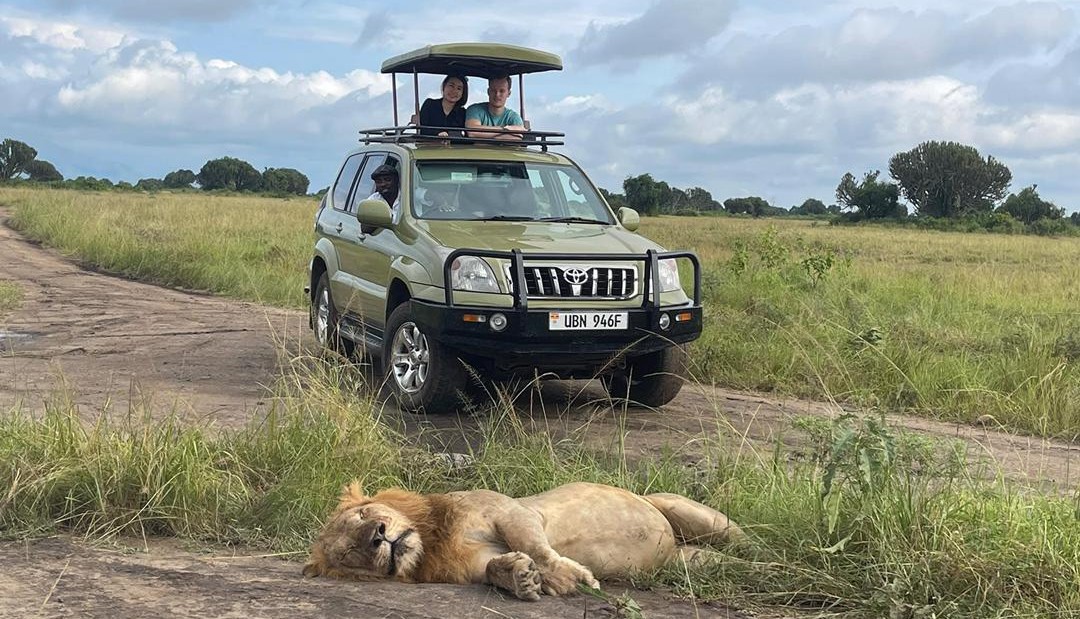
Vehicle choice depends heavily on where you are headed. Parks such as Queen Elizabeth, Murchison Falls, Kidepo Valley, and Bwindi Impenetrable Forest have sections of unpaved, rutted, or seasonally muddy road, and a 4×4 with high clearance is strongly recommended, if not required. Popular options include:
- Toyota Land Cruiser or Land Cruiser Prado – the standard for serious safari terrain and long-distance comfort
- Toyota RAV4 – a lighter, more fuel-efficient 4×4 suited to shorter or less demanding routes
- Safari minivans (customized Toyota Hiace) with pop-up roofs – ideal for groups prioritizing game-viewing visibility
- Saloon cars – workable for Kampala, Entebbe, and paved-road travel only, not recommended for national park circuits
Self-Drive or Chauffeur-Driven?
Both options are common in Uganda, and the right one depends on experience and comfort level. Self-driving suits travelers who are confident with right-hand-drive vehicles, manual transmissions, and driving on the left, and who want maximum flexibility. A chauffeur-driven rental is the more popular choice for first-time visitors: local drivers know the road conditions, checkpoints, and park routes, can often double as informal guides, and remove the stress of navigating unfamiliar rural roads after dark, which is best avoided in Uganda regardless of experience level.
What You’ll Need to Rent
Requirements are fairly consistent across reputable rental companies in Uganda:
- A valid driving license; an International Driving Permit is recommended alongside your national license
- A passport for identification and contract purposes
Road Conditions and Practical Tips
Main highways connecting Kampala, Entebbe, and major towns are generally well paved, but conditions change quickly once you turn off toward national parks. Plan for dust in the dry season, mud and reduced traction in the rains, and always budget more driving time than a map suggests. A few habits make a real difference on Ugandan roads:
- Avoid driving after dark outside major towns
- Keep a comfortable following distance from boda-bodas (motorcycle taxis) and pedestrians, both common on rural roads
- Carry cash for fuel stops and park entry fees in areas without card facilities
- Confirm your rental includes 24-hour breakdown support, especially for remote park routes
What Rentals Typically Cost
Rates vary by vehicle class, rental duration, and whether a driver and fuel are included. As a general guide, a self-drive RAV4-class 4×4 tends to sit at the lower end of the market, while a chauffeur-driven Land Cruiser with full safari specification costs more but includes a driver-guide, fuel logistics support, and vehicle knowledge that is hard to put a price on in unfamiliar terrain. It is worth requesting an itemized quote that separates the daily rate, mileage allowance, driver allowance, and insurance, so there are no surprises on collection day.
Choosing a Reliable Rental Company
The quality of the vehicle matters, but so does the company behind it. Look for a rental provider with a well-maintained 4×4 fleet suited to park terrain, transparent pricing with no hidden mileage or fuel charges, and drivers who know the parks rather than just the highways. Trip Car Rental Uganda is one such option, offering both self-drive and chauffeur-driven 4×4 rentals across Uganda’s national park circuits, with vehicles set up for safari travel rather than city use alone.
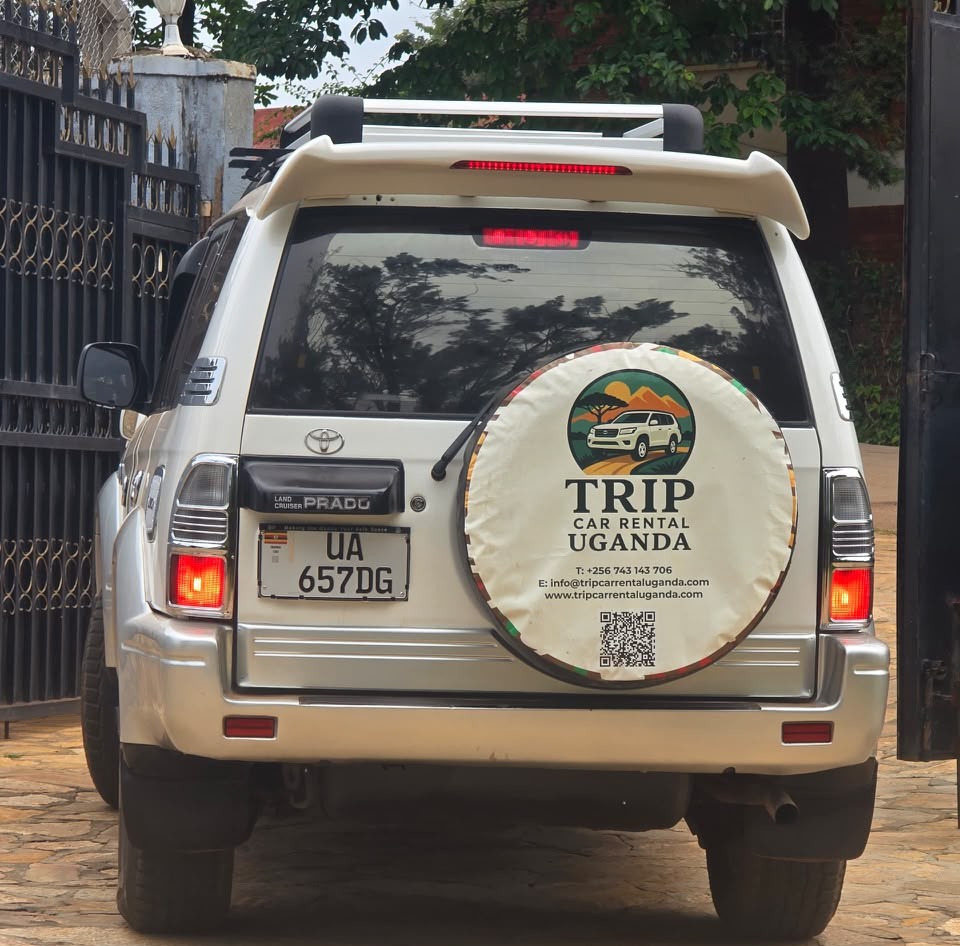
Whichever company you choose, inspect the vehicle before signing, photograph any existing damage, and confirm what happens in the event of a breakdown or accident before you set off.
Planning Your Route
A rental car works best as part of a well-planned itinerary rather than a last-minute add-on. Matching your vehicle to your route, and your route to realistic driving times between parks, keeps a Uganda safari enjoyable rather than exhausting. If you are still mapping out where to go, our team can help you build an itinerary around gorilla trekking, savannah game drives, and the country’s smaller parks, and advise on which stretches call for a 4×4 and which don’t.