

Altitude Sickness Kilimanjaro/Rwenzoris
Climbing Mount Kilimanjaro or trekking in the Rwenzori Mountains is an unforgettable adventure. However, gaining altitude too quickly can cause altitude sickness Kilimanjaro/Rwenzoris, a common concern for trekkers visiting high mountains.
Understanding altitude sickness Kilimanjaro risks, symptoms, prevention, and treatment can help you prepare properly and make safer decisions on the mountain.
What Is Altitude Sickness?
Altitude sickness, also known as acute mountain sickness (AMS), occurs when the body struggles to adapt to reduced oxygen levels at high elevations. It can affect anyone, regardless of age, fitness, or previous hiking experience.
Symptoms may begin several hours after reaching higher altitude and commonly include headache, dizziness, nausea, tiredness, loss of appetite, and difficulty sleeping.
On Kilimanjaro, the risk increases significantly as climbers ascend above approximately 2,500 metres (8,200 feet).
Altitude Sickness on Kilimanjaro
Kilimanjaro rises to 5,895 metres (19,341 feet), making acclimatization an important part of every successful climb. Routes with a longer itinerary generally provide more time for your body to adapt.
A common strategy is “pole pole,” meaning “slowly, slowly” in Swahili. Maintaining a comfortable, steady pace can help reduce unnecessary strain while allowing gradual adaptation to altitude.
Adequate hydration, proper nutrition, sufficient rest, and avoiding rapid ascent are also important.
Altitude Sickness in the Rwenzoris
The Rwenzori Mountains of Uganda offer a different high-altitude trekking experience, with challenging terrain, steep sections, and peaks reaching more than 5,000 metres.
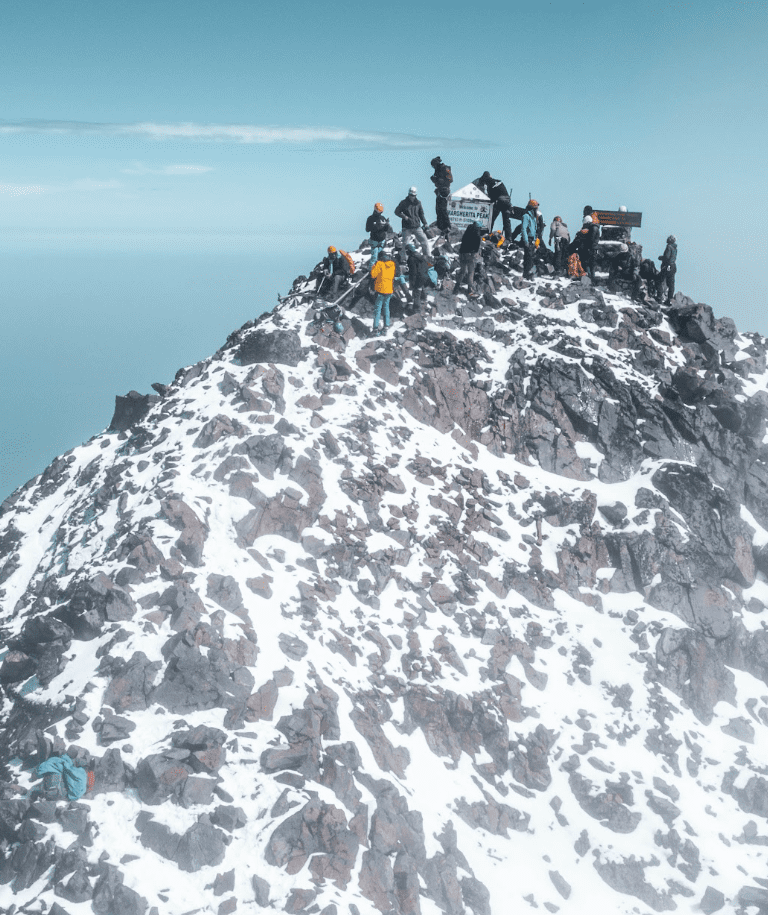
Trekkers heading toward Margherita Peak, the highest point of the Rwenzoris, should take altitude acclimatization seriously. The combination of altitude, demanding terrain, cold temperatures, and long trekking days can increase physical stress hence altitude sickness.
How to Prevent Altitude Sickness
There is no guaranteed way to prevent altitude sickness, but several measures can lower the risk:
- Ascend gradually: Choose an itinerary that allows adequate acclimatization.
- Walk slowly: Avoid exhausting yourself, especially during the first days.
- Stay hydrated: Drink regularly, but avoid excessive water intake.
- Eat properly: Maintain your energy with regular, nutritious meals.
- Get enough rest: Quality sleep supports recovery and acclimatization.
- Listen to your body: Report symptoms to your guide immediately.
- Avoid alcohol: Alcohol can worsen dehydration and interfere with sleep.
- Consider medical advice: Ask a qualified healthcare professional whether altitude medication such as acetazolamide is appropriate for you.
Recognizing Serious Altitude
Mild altitude sickness can sometimes improve as the body acclimatizes. However, severe symptoms require immediate action.
Warning signs can include severe or worsening headache, confusion, inability to walk normally, extreme breathlessness, persistent vomiting, or shortness of breath while resting. These may indicate serious altitude-related conditions such as high-altitude cerebral edema (HACE) or high-altitude pulmonary edema (HAPE).
The most important treatment for serious altitude illness is descent to a lower altitude. Trekkers should never continue climbing while experiencing severe or worsening symptoms.
Choose Safety Over the Summit
Whether you are planning a Kilimanjaro climb or a Rwenzori expedition, preparation and responsible acclimatization are essential. Find more information from Feather Trail Safaris Ltd on how fitness helps you handle the physical demands of trekking, though it does not eliminate the risk of altitude sickness.
Choose a suitable itinerary, trek at a controlled pace, communicate openly with your guides, and take symptoms seriously. The summit is an achievement but returning safely is the most important goal. Book your memorable trip with us today.
Written By Harriet Adul, Editorial Team
29/08/2026