
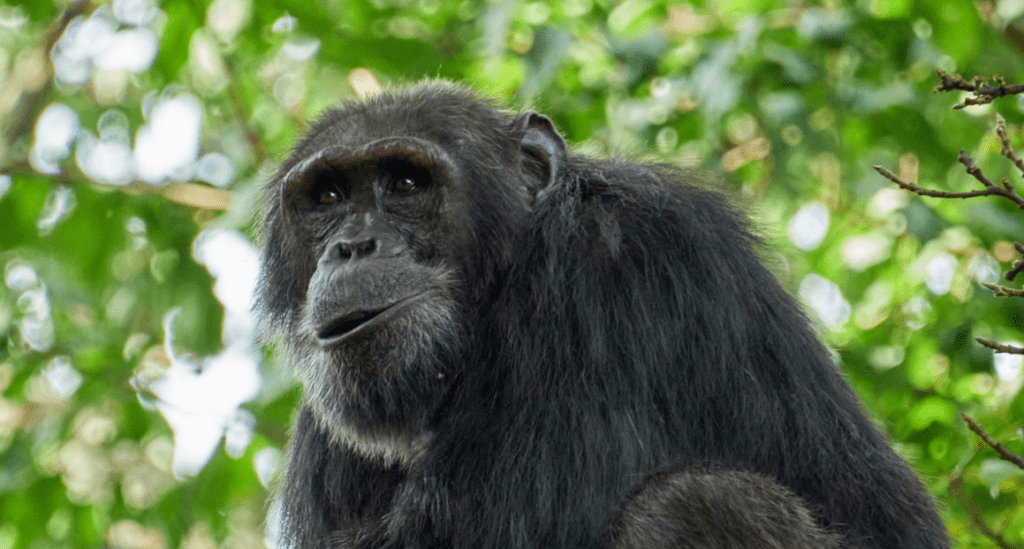
Safety Tips for Chimpanzee Trekking in Burundi Rainforests
The misty, high-altitude rainforests of Burundi offer some of the most profound wildlife encounters in East Africa. Most international adventurers visit this region to track our closest living relatives in their natural habitat. However, navigating these dense, wild environments requires careful preparation and deep respect for the animals. Following standard Safety Tips for Chimpanzee Trekking is essential for a successful and responsible primate safari.
Feather Trail Safaris invites you to explore the stunning Kibira National Park wilderness. We believe that safe travel protocols always go hand-in-hand with conservation ethics. This guide will provide essential logistics for your adventure, ensuring you track responsibly. Furthermore, we will detail how to minimize your impact on these delicate ecosystems. Let us explore the vital Safety Tips for Chimpanzee Trekking.
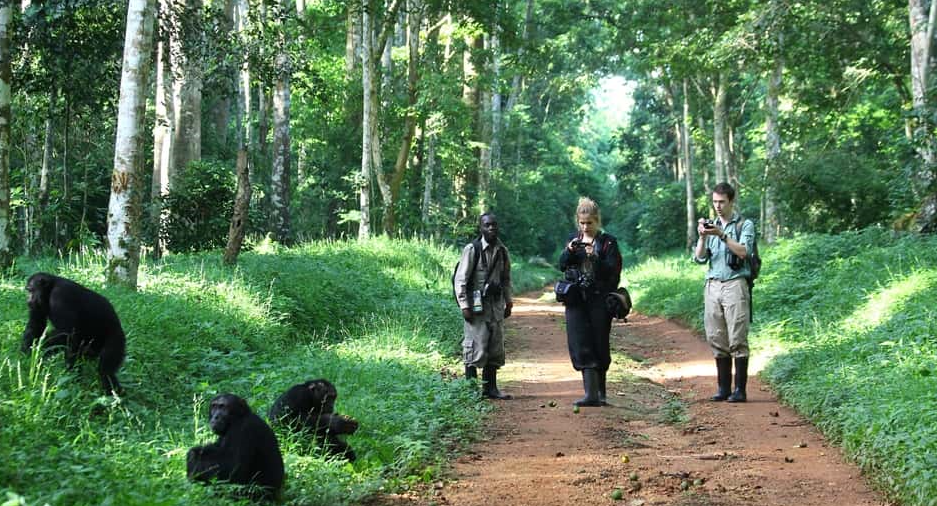
Health Protocols: Protecting the Primates from Disease
The absolute highest priority during any primate safari is safeguarding the animals’ health. Chimpanzees share nearly 99% of our DNA, making them incredibly susceptible to human illnesses. Standard Safety Tips for Chimpanzee Trekking focus heavily on preventing cross-species disease transmission.
Furthermore, these strict medical protocols protect entire primate communities from devastating respiratory outbreaks.
You must not participate in a trek if you feel even slightly unwell. Rangers will perform basic health checks before you enter the forest. Consequently, anyone showing signs of common illnesses, like a cold, will not be permitted to track. This strict health regulation ensures that wild populations remain healthy and protected.
Distance is Key: Always maintain a minimum distance of eight meters (26 feet) from the chimpanzees.
Turn Your Head: Cover your mouth or turn your head away if you need to sneeze or cough.
No Snacking: Eating, drinking, and smoking are absolutely banned on all primate tracking safaris.
Dispose Carefully: Take all litter, including organic food scraps, back to the park headquarters.
The Field Briefing: Listening to Your Expert Rangers
Your trekking day begins early in the morning at the park headquarters. Expert rangers provide a mandatory, comprehensive safety briefing before your group enters the rainforest. This briefing is incredibly educational and outlines specific behavioral guidelines for interacting with wild primates. Listening carefully ensures that everyone knows exactly what to expect in the field. “The forest is not our classroom. It is a quiet sanctuary where we are respectful guests.”
Standard Safety Tips for Chimpanzee Trekking emphasize deep, unyielding respect for the animals.
First, you must keep your voice at a very low whisper while near the chimpanzees. This quiet demeanor allows the troop to continue their natural behaviors undisturbed.
Second, you must follow your dedicated ranger’s instructions instantly and without question. They understand primate behavior intimately and will guide you safely during any encounters. Furthermore, you will track in very small groups of eight people or fewer. This limitation reduces our group footprint and minimizes disruption to the forest inhabitants.
Gear Guide: Dressing for Safety and Comfort
Navigating a dense, wild Burundi rainforest comfortably requires durable, specialized outdoor clothing. The weather can change rapidly from bright sunshine to heavy downpours. Therefore, your clothing must provide protection from the elements, thorny vegetation, and biting insects. This protective standard is essential for preventing field injuries and discomfort.
Sturdy Hiking Boots: Choose waterproof footwear with deep ankle support for steep, muddy volcanic trails.
Long-Sleeved Trousers & Shirts: Wear lightweight, breathable fabrics to protect your skin from stinging nettles.
Trekking Gardening Gloves: Utilize thick gloves to grab tree branches safely along difficult ridges.
Waterproof Rain Jacket: Pack a compact, high-quality rain shell to stay dry during sudden cloudbursts.
We also highly recommend bringing a durable pair of binoculars. Primate troops often feed very high up in the dense branches of ancient Ficus trees. Good optics allow you to view their facial expressions clearly without needing to get closer. Consequently, binoculars enhance your viewing experience safely and respectfully.
Integrating Primate Safaris into a Grand East African Loop
An impactful primate trek in Burundi works best when integrated into a larger multi-country travel plan. We highly recommend pairing your Burundian trekking with signature Rwandan and Ugandan tours.
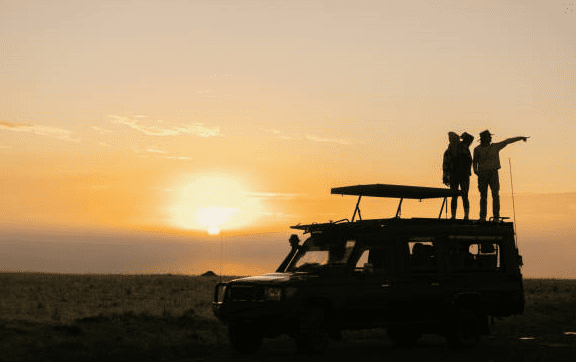
Furthermore, this multi-country loop offers a diverse look at the entire Albertine Rift region.
To explore how we effortlessly connect these regional destinations, explore our multi-country East Africa loops. Burundi’s culture also fits perfectly as an extension to your northern primate tracking adventures.
Furthermore, many global adventurers choose to expand their holiday into an extensive Uganda Safaris tour. Uganda offers world-class savanna game drives and boat safaris. Alternatively, you can add a bucket-list gorilla trekking Uganda package to your itinerary. Combining multiple countries gives you a complete experience of these diverse ecosystems.
Our resources offer deep insights into ethical cultural exploration in the region. We provide extensive guides on practicing Responsible Tourism in Burundi. You can also explore local communities with our Community-Based Tourism in Burundi handbook. Learn how to cook like a local with our Cooking Classes in Burundi guide. For tracking specific groups, read our Chimps of Gishwati-Mukura National Park guide. Finally, explore other primate destinations in our Uganda Chimpanzee Tracking article.
Our Unyielding Standards for Ethical Primate Encounters
At Feather Trail Safaris, we operate under the strict ethical guidelines of The International Ecotourism Society (TIES). Therefore, our primate tracking excursions prioritize wildlife health and minimal disturbance above all else. We strictly ensure that all our tracking groups remain exceptionally small.
We collaborate continuously with regional conservation bodies like the Burundian Office for Environmental Protection (OBPE) on forest monitoring. These joint operations are critical for transboundary wildlife protection. We guarantee that your tracking permit fees directly fund park ranger salaries and vital anti-poaching patrol equipment. Furthermore, our programs are recognized by international organizations like the International Union for Conservation of Nature (IUCN). Your holiday actively finances the long-term survival of the endangered primates you come to admire.
How to Book Your Chimpanzee Tracking Safari
Are you ready to use your next vacation to safely explore ancient African rainforests? Planning your custom primate itinerary with Feather Trail Safaris is incredibly straightforward. We specialize in designing unique and respectful wilderness adventures. Our team handles every logistics detail.
We customize every single tracking excursion based on your specific physical fitness levels. We cater beautifully to small family groups, independent solo adventurers, and academic research teams. Our team manages all ground logistics, private 4×4 transport, and expert guides. Contact our travel consultants today to start designing your custom African safari!
The Last Word on Primate Protection
In conclusion, following these essential Safety Tips for Chimpanzee Trekking ensures a respectful and successful African safari. It allows you to become an active steward of these magnificent, endangered animals. You will stand quietly beneath ancient giant trees while wild chimps play high in the branches.
Furthermore, your responsible presence actively funds modern ecological restoration campaigns firsthand. These profound, authentic wild encounters are incredibly powerful. They change your worldview while leaving a positive, lasting impact on the regional ecosystem. Do not settle for a superficial travel experience. Choose Feather Trail Safaris for your next major regional journey. Let us guide you toward the ultimate responsible chimpanzee tracking experience in East Africa. Your unforgettable wilderness adventure begins right now!
FAQs
Where do I go chimpanzee trekking in Burundi?
The primary location for chimpanzee tracking in Burundi is the dense, high-altitude montane forest of Kibira National Park. This park connects directly with Rwanda’s Nyungwe forest, forming a massive transboundary conservation area.
Do I need previous trekking experience to track chimpanzees safely?
No previous trekking experience is required to join a guided safari. However, the terrain can be muddy, steep, and demanding. We highly recommend maintaining a basic level of physical fitness before booking your forest adventure.
What happens if I get sick right before my scheduled trek?
For the absolute highest safety of the primates, you will not be permitted to track if you show symptoms of communicable illnesses. Feather Trail Safaris will gladly assist you in rescheduling your trek for a future date when you are fully healthy.
Are these Safety Tips for Chimpanzee Trekking strictly enforced in the park?
Yes, absolutely. Park rangers enforce all health and distance rules with zero tolerance. Failing to follow instructions can result in being immediately escorted out of the forest reserve without a refund. The primates’ health must always come first.
How long do we get to spend with the chimpanzee troop once located?
Once your guide locates the chimpanzee troop, viewing time is strictly limited to exactly one hour. This timeframe is globally standardized for all primate tracking to reduce human pressure and stress on wild populations.