
Ruvubu National Park Burundi: Big Five & Wildlife Safari
The open savannah plains, dramatic river valleys, and pristine wilderness zones of East Africa offer incredible alternatives to commercial trails. For modern experiential travelers, independent wildlife photographers, and heritage enthusiasts, this region represents a true frontier of authentic travel. From standing before untamed landscapes to tracking diverse species through untouched habitats, the country delivers unforgettable adventures. However, because its largest reserve is located in a remote province, organizing a route requires a strategic approach. Utilizing our comprehensive field overview, Ruvubu National Park Burundi: Big Five & Wildlife Safari, is a vital first step. This guide ensures your vacation remains seamless, immersive, and perfectly managed from start to finish.
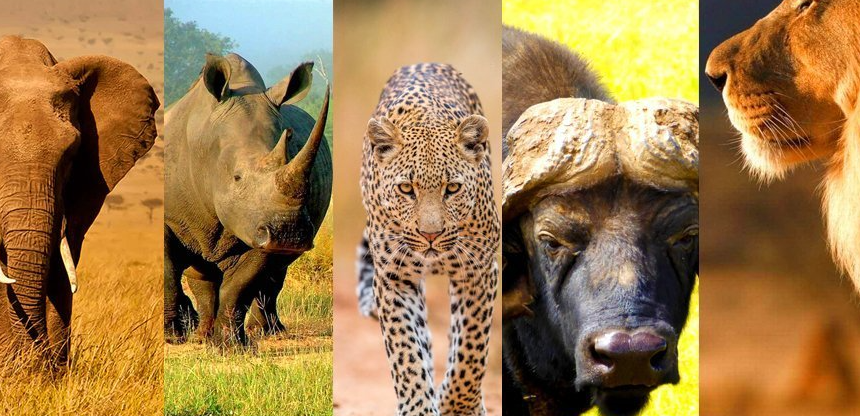
When organizing an African safari, travelers often fall into the trap of assuming small countries lack diverse biomes. In reality, moving between nearby destinations like Tanzania, Rwanda, or Uganda reveals vastly different infrastructure realities and terrain challenges. While some adjacent countries feature heavily crowded parks, Burundi operates within a highly intimate, serene travel ecosystem. Failing to dedicate proper time to transit can lead to exhausting overland journeys or missed wildlife viewing windows. Before mapping your route, let’s clarify an important wildlife detail. While this vast reserve features legendary predators and massive herds, rhinos and elephants are not currently present here. By analyzing the true wildlife density and landscape features of this park, you can plan with absolute confidence. Let’s explore the essential rules, seasonal timelines, and geographical factors that define an exceptional vacation.
The Geography of Burundi’s Largest Wilderness
To understand this remote sanctuary, you must look closely at the geographical features that govern local travel.
The Expansive Ruvubu River Basin
The park covers a massive area of about 508 square kilometers in northeastern Burundi. Geographically, it stretches across the provinces of Karuzi, Muyinga, Cankuzo, and Ruyigi.
The park is named after the beautiful Ruvubu River. Crucially, this river winds directly through the center of the reserve, creating a vital water source.
Consequently, the surrounding landscape features a unique mix of swampy valleys and open floodplains. Subsequently, these rich grasslands transition into high-altitude acacia woodlands on the hillsides. This diverse mix of habitats makes the park an exceptional destination for guests booking our Burundi Tours.
A Remotely Positioned Eco-Tourism Haven
The park sits far away from the bustling capital city of Bujumbura. Therefore, the region remains completely untouched by mass international tourism.
Because of this remote location, visitors enjoy unparalleled peace and quiet during game drives. Furthermore, you will rarely see other safari vehicles sharing the open road.
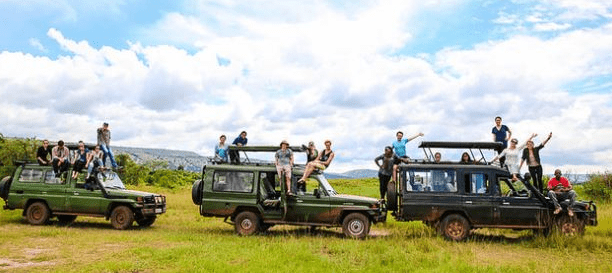
Moving through this rugged terrain requires crossing steep mountain passes and unpaved dirt tracks. Accordingly, we always utilize heavy-duty 4×4 land cruisers for our premium Primate Safaris.
Wildlife Encounters on the Open Plains
The primary attraction within this vast wilderness is its thriving population of large mammals and fierce predators.
Tracking the Great Buffalo Herds
To start, your morning game drive begins at dawn when the air is crisp. Following that, your guide will scan the open plains for movement.
The park protects the largest remaining population of African cape buffaloes in Burundi. Fortunately, these impressive animals travel in large herds numbering in the hundreds.
Eventually, you will see them grazing peacefully in the tall savannah grasses. Meanwhile, cautious leopards watch the herds from the safety of large acacia branches. This thrilling display of wild nature is a central focus of our Cultural Tours.
The Bustling River Ecosystem
In addition to the plains, the riverbanks are teeming with active wildlife. You can board a private boat to explore the winding river channels safely.
Specifically, you will encounter massive pods of hippos resting in the shallow waters. On one hand, these giant mammals can look quite lazy during the hot day.
On the other hand, they are highly territorial and put on dramatic vocal displays. Furthermore, enormous Nile crocodiles bask openly on the warm sandbars nearby, creating excellent opportunities for guests booking our East Africa Safaris.
Antelope Diversity & Smaller Mammals
Beyond the largest predators, the park shelters an incredible variety of elegant antelopes and fascinating primates.
Spotting Elusive Wetland Specialists
Crucially, the swampy floodplains provide the perfect habitat for specialized antelope species. Specifically, you can easily spot the large, long-haired Defassa waterbuck grazing near the reeds.
Additionally, the smaller, elegantly striped bushbuck hides along the thick gallery forests. Therefore, you must keep your binoculars ready at all times.
Fortunately, your experienced driver-guide knows exactly where these shy animals prefer to rest. This deep tracking knowledge guarantees highly rewarding photographic opportunities throughout our custom Rwanda Tours.
Primate Communities in the Woodlands
On the plains, savannah species dominate the landscape. However, the acacia woodlands host several active primate communities as well.
You will frequently encounter large family groups of olive baboons patrolling the dirt roads. Meanwhile, colorful vervet monkeys leap playfully through the upper tree canopies.
As a direct result, the park offers a fantastic blend of traditional savannah game viewing and primate watching. This unique environmental crossover sets the reserve apart from more conventional safari destinations.
An International Bird-Watching Paradise
For dedicated birding enthusiasts, the pristine river systems and woodlands provide a world-class sanctuary.
Incredible Avian Species Richness
Notably, ornithologists have recorded more than 425 distinct bird species within the park boundaries. Consequently, the area is officially classified as an Important Bird Area (IBA).
The meandering river margins attract numerous rare and colorful waterbirds. Watch for the iconic African Fish Eagle perching proudly on dead branches.
Additionally, you can easily spot several species of brightly colored kingfishers diving for small fish. The lack of tourist crowds ensures a peaceful bird-watching experience.
Seasonal Migratory Flight Windows
Furthermore, the park serves as a critical stopover point for migratory birds. Specifically, thousands of Palearctic travelers arrive from Europe between October and April each year.
Subsequently, the wetlands fill with elegant storks, herons, and rare birds of prey. Therefore, this specific winter window is highly recommended for professional wildlife photographers.
Our custom itineraries are fully optimized to target these spectacular seasonal wildlife events. We ensure you spend your time in the absolute best viewing zones.
Field Logistics, Road Conditions, & Entry Rules
To ensure a safe, comfortable, and successful safari journey, you must follow specific regional guidelines carefully.
Critical Travel Documentation and Regional Entry Rules
Before confirming your travel dates, ensure your visa paperwork and health cards are in order. Check current entry rules with the Burundi Immigration Authorities and Rwanda Immigration Services before arriving.
An international tourist visa must be secured prior to arrival. Additionally, immigration officers at border checkpoints strictly require a physical Yellow Fever International Certificate of Vaccination card.
Be mindful of environmental regulations: single-use plastic bags are strictly illegal across the region to protect local ecosystems. Any plastic bags will be confiscated at airport customs. Use reusable canvas dry bags to pack your gear instead.
Navigating the Remote Highway Grid
To start, traveling to the park from Bujumbura requires a long, scenic drive. Specifically, the route follows paved highways through the central mountains toward Gitega.
Subsequently, you will head northeast along winding roads toward the park entrance. The total journey covers about 220 kilometers and takes four to five hours.
However, once inside the park gates, the paved asphalt ends completely. Therefore, the interior tracks consist entirely of rugged, unpaved dirt paths.
During the rainy season, these remote tracks can become deeply rutted and muddy. As a result, utilizing a professional 4×4 vehicle with an expert local driver is highly recommended.
Why Choose Feather Trail Safaris for Your Wildlife Expedition
Coordinating a flawless holiday across East Africa involves balancing many precise operational pieces. Specifically, you must secure date-specific park permits, lease reliable 4×4 vehicles, and manage complex long-distance transits.
Attempting to arrange these complex logistics independently can easily lead to booking errors or unexpected field delays. Fortunately, the team at Feather Trail Safaris specializes in organizing premium, thoroughly vetted regional tours.
We manage every single detail of your itinerary on your behalf from start to finish. Specifically, we cover your lodge fees, secure park entry clearances, and provide immaculate 4×4 safari land cruisers.
Furthermore, we pair you with the most experienced local driver-guides in the industry. Our deep regional roots, direct partnerships, and unyielding commitment to guest safety ensure you enjoy a world-class, stress-free holiday.
Are you ready to design your perfectly timed African safari with expert support every step of the way? Which specific wildlife encounters or cultural landmarks are you most excited to include in your custom itinerary? Let us know, and our team will craft your tailored blueprint.
FAQ
What is the Ruvubu National Park Burundi: Big Five & Wildlife Safari guide?
This official field guide offers an expert evaluation of the park’s geographic layout, savannah wildlife populations, river cruises, and essential safari logistics.
Where is Ruvubu National Park located?
The park is situated along the northeastern border of Burundi. Specifically, it spans across the provinces of Karuzi, Muyinga, Cankuzo, and Ruyigi.
Can I see all of the Big Five animals inside the park?
No, the park currently hosts leopards, lions, and massive herds of buffaloes. However, rhinos and elephants are not present in this reserve.
How long does it take to drive to the park from Bujumbura?
The driving distance is about 220 kilometers. Consequently, the journey takes roughly four to five hours through the central mountain highlands.
Are the interior tracking roads paved or unpaved?
All tracks inside the park are completely unpaved dirt roads. Therefore, a rugged 4×4 vehicle with high clearance is mandatory for navigating the terrain.
When is the absolute best time to plan a wildlife safari here?
The peak dry season from June to September is the ideal time. Specifically, this window offers dry roads and brings animals together around the main river.
Is a Yellow Fever vaccination card mandatory for entry?
Yes, presenting a valid, physical Yellow Fever International Certificate of Vaccination card is a mandatory requirement checked by border officials.
How can I book an all-inclusive safari to Ruvubu with expert guides?
You can easily secure a custom, worry-free safari with all lodging, private 4×4 transport, driver-guides, and park permits pre-arranged by submitting an inquiry through our website’s main contact form.