
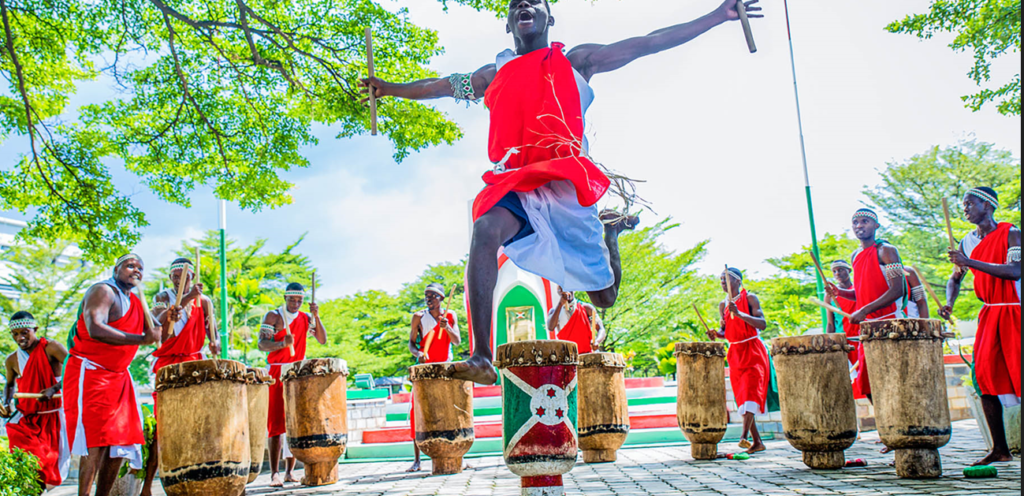
When is the Best Time to Visit Burundi? Seasons & Weather Guide
For travelers seeking an authentic African frontier, the heart of the Albertine Rift offers untouched landscapes and profound cultural encounters away from the tourist crowds. While neighbors often dominate headlines, the real question is when is the best time to visit Burundi? to truly experience its raw beauty. Understanding the cyclical weather patterns is essential for planning a successful expedition, whether your goal is tracking chimpanzees through ancient montane forests, relaxing on tropical inland beaches, or witnessing the legendary Royal Drummers. The timing of your journey fundamentally impacts trail conditions, wildlife visibility, and your overall travel comfort.
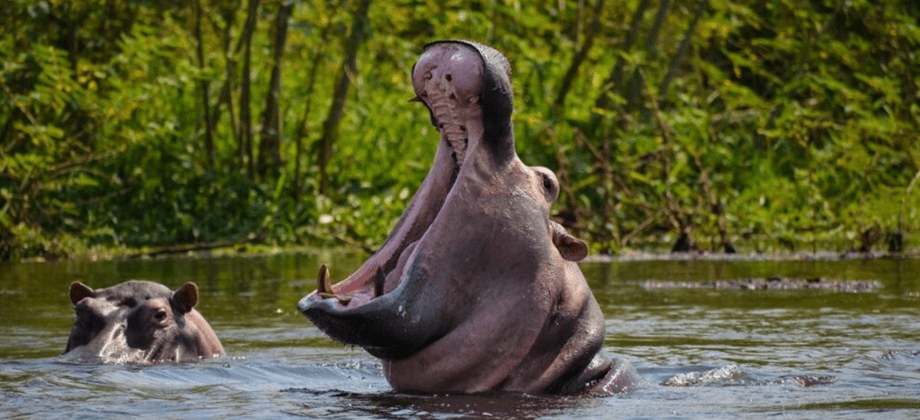
Like most of its East African neighbors, Burundi’s climate is not dictated by temperature fluctuations, but rather by distinct wet and dry seasons. Positioned just south of the Equator, the country enjoys a tropical highland climate. While the capital, Bujumbura, rests on the hot, humid shores of Lake Tanganyika, the interior rises into cool, rolling hills. By analyzing the long dry season, short dry season, and the intervening rains, you can determine the perfect window that aligns with your specific adventurous goals. Let’s break down the year to help you optimize your upcoming trip.
Burundi Weather by Month: The Annual Overview
Burundi experiences two distinct dry seasons and two rainy seasons each year. We will now analyze each period in depth to help you determine when is the best time to visit Burundi? based on your specific trip goals.
The Long Dry Season: June to September
Without a doubt, the period between June and September is universally considered when is the best time to visit Burundi? for general sightseeing and extensive travel. These four months are characterized by clear blue skies, virtually no rainfall, and consistent sunshine.
Traveling to Burundi in June marks the beginning of this optimal window. The landscape is still lush and green following the long rains, but the roads are dry. It is the perfect time for an intensive cultural circuit that includes the drumming sanctuaries around Gitega and exploring the open savannahs of Ruvubu National Park.
This season offers several distinct logistical advantages. Firstly, road travel between distant destinations is seamless and reliable. Secondary dirt roads, which connect remote villages and park sectors, are dry and hard-packed, allowing standard vehicles (though we still recommend a robust 4×4) to navigate easily. Secondly, this is the prime season for a beach vacation on the shores of Lake Tanganyika. The low humidity and sunny skies create idyllic conditions for relaxing, swimming, and kayaking. Finally, wildlife viewing in savannah parks is at its peak, as animals congregate around the few remaining water sources. This reliable weather window is highlighted throughout our comprehensive Burundi Tours.
The Short Rainy Season: October to December
Transitioning out of the dry period, October to December marks the short rainy season. The primary difference during these months is that the rain typically falls in intense, short bursts, often occurring in the late afternoon or overnight. These downpours are usually followed quickly by bright sunshine.
Traveling during these months offers a unique perspective. The landscapes, which may have browned slightly at the end of the long dry season, instantly burst back into vibrant, emerald-green life. While dirt roads can get sticky after a storm, most of the primary paved roads remain completely navigable.
Furthermore, this period is generally less crowded (even for a low-tourism destination) and can sometimes offer better pricing on luxury accommodations. It can be an acceptable time for primate tracking in Kibale Forest, as the rains usually pass quickly, although you must be prepared for muddy sections on the trail. This season can easily be integrated into a broader, multi-country East Africa Loop itinerary.
The Short Dry Season: January and February
Following the short rains, January and February bring a brief, welcome dry interlude. This ‘short dry season’ is often seen as a fantastic, niche window for experienced travelers.
While not as reliably dry as the primary June-September window, these two months usually feature significantly reduced rainfall and plenty of sunshine. The weather is crisp, and the atmosphere feels refreshed after the autumn rains.
This window is often cited as the best time for chimpanzee tracking Burundi, as the trails in Kibira National Park have had a chance to dry out slightly, but the forest remains lush. The short dry season is an exceptional time for photographers, offering brilliant lighting and green, healthy foliage.
If your travel goals are deeply focused on high-altitude forest tracking, this short two-month interlude is an ideal choice, often incorporated into our specialized Primate Safaris that cross regional borders to include Rwanda’s gorilla sanctuaries.
The Long Rainy Season: March to May
Finally, the period from March to May experiences the long rainy season. These months bring consistent, heavy, and often prolonged rainfall, particularly in the highland areas. Travel during this time is generally not recommended for casual tourists, and determining when is the best time to visit Burundi? often results in avoiding this wet period.
During the long rains, many unpaved roads become challenging, slick with mud, and sometimes entirely impassable, creating significant logistical delays. The heavy rains can also cause flooding in the wetland deltas of Rusizi National Park. Wildlife, particularly in the savannahs, disperses throughout the parks, making sightings less frequent and unpredictable.
Furthermore, trekking in the montane forests of Kibira becomes significantly more physically demanding and less rewarding, as the chimpanzees are harder to locate and may spend more time high in the dense canopy. While the landscape is spectacular in its raw, rain-soaked form, the logistical hurdles mean most travelers should plan their journey outside this window, prioritizing our alternative Rwanda Tours which operate on similar but slightly shifted seasonal patterns.
Best Time for Specific Activities
To fully optimize your trip, align your travel dates with your specific adventurous interests. The seasons dictate the success of different wildlife and landscape encounters.
If your priority is tracking our closest relatives, the best time for chimpanzee tracking Burundi is during the dry seasons (June to September or January to February). The trails are firmer, making the steep, forested terrain safer and more manageable. In the dry seasons, chimpanzees may also descend closer to the ground to forage for fallen fruits, providing better, clearer photography opportunities.
Alternatively, for those prioritizing relaxation, the Lake Tanganyika dry season (June to September) offers idyllic conditions. The humidity is low, the waters are calm, and you can enjoy perfect days on the white-sand beaches near Bujumbura, featured on our most relaxing Cultural Tours.
Packing Advice for Different Seasons
The fluctuating humidity and dramatic elevation changes necessitate a versatile packing strategy that prepares you for both mountain forest mist and tropical lakeside sun.
Navigating Passports, Visas, and Health Rules
Executing a seamless cross-border safari requires careful attention to regional immigration guidelines, especially regarding health records and entries.
Ensure your passport is valid for at least six months past your intended travel dates and has several blank pages. You must verify current entry rules with Rwanda Immigration Services and Burundi Immigration Authorities. While Rwanda provides convenient visas-on-arrival, Burundi requires you to secure an approved eVisa or pre-clearance letter before you arrive. Additionally, carrying a valid physical Yellow Fever vaccination certificate is strictly mandatory to clear regional immigration checkpoints safely.
Sustainable Travel and Wildlife Conservation
Our tour company operates on a foundation of eco-conscious, responsible, and low-impact travel. We partner directly with local community guides, park rangers, and site conservation groups to ensure tourism supports wildlife protection and grassroots growth.
Our itineraries align with sustainable development guidelines supported by the East African Community and the Rwanda Development Board. We partner with eco-lodges that implement strict waste management practices, minimize single-use plastics, and support local farming and fishing cooperatives. This sustainable model helps preserve these delicate habitats, ensuring wildlife populations remain healthy and vibrant for future generations of adventurers.
Why Choose Feather Trail Safaris for Your Journey
Organizing a seamless, multi-country African expedition involves coordinating date-specific primate permits, private boat charters, regional flights, and high-end lodge reservations. Trying to arrange these moving parts on your own can add unnecessary stress to your adventure planning.
At Feather Trail Safaris, we excel at creating seamless, stress-free, and sustainable multi-country African expeditions. We manage every single detail of your journey, from securing premium gorilla tracking permits and private ground transport to arranging private boat charters, regional flights, border documentation, and bookings at premium eco-lodges featuring excellent charging hubs. Our experienced local guides, strongest regional relationships, and commitment to creative pacing ensure you return home with an elite professional experience.
Ready to plan your ultimate trip during the optimal season? Contact Us today to speak with an expert East African safari planner.
FAQ
What is the when is the best time to visit burundi? Seasons & Weather guide?
This comprehensive guide analyzes Burundi’s two dry and two rainy seasons to help travelers determine the optimal window that aligns with their goals, from primate tracking to beach relaxation.
What are the weather patterns for traveling to Burundi in June?
June is the optimal start of the long dry season, characterized by clear skies, zero rainfall, and pleasant highland temperatures, making it a perfect month for extensive cultural circuits and beach relaxation.
How do I know when is the best time to visit Burundi?
The best time is generally during the long dry season (June to September), offering the best trail conditions for chimpanzee tracking, savannah game viewing, and idyllic beach weather on Lake Tanganyika.
When is the best time for chimpanzee tracking Burundi?
The dry seasons (June to September or January to February) are optimal. Firm trails are safer for the steep montane forests, and chimpanzees are often found on lower ground foraging for fruits.
What visas are required for entering Burundi?
You will need a valid entry visa. While neighboring Rwanda offers straightforward visas-on-arrival, Burundi requires international tourists to secure an approved eVisa or pre-clearance letter prior to travel.
Can I travel in Burundi during the long rainy season (March-May)?
It is generally not recommended. Heavy rains make many unpaved roads impassable, creating significant logistical delays and making forest trekking physically demanding and less rewarding.
How does the Lake Tanganyika dry season differ from highland weather?
Lake Tanganyika is hot and humid year-round. However, the dry season (June-September) is idyllic, offering sunny skies and pleasant breezes, contrasting with the cool mist of the high-altitude forests.
How do I arrange a professional, sustainable multi-country safari?
You can easily coordinate a high-energy, eco-conscious regional expedition by submitting an inquiry through our website’s main contact form to connect with a Feather Trail Safaris planner.