
Photography Safari: Rwanda Volcanoes + Burundi Chimp Forests
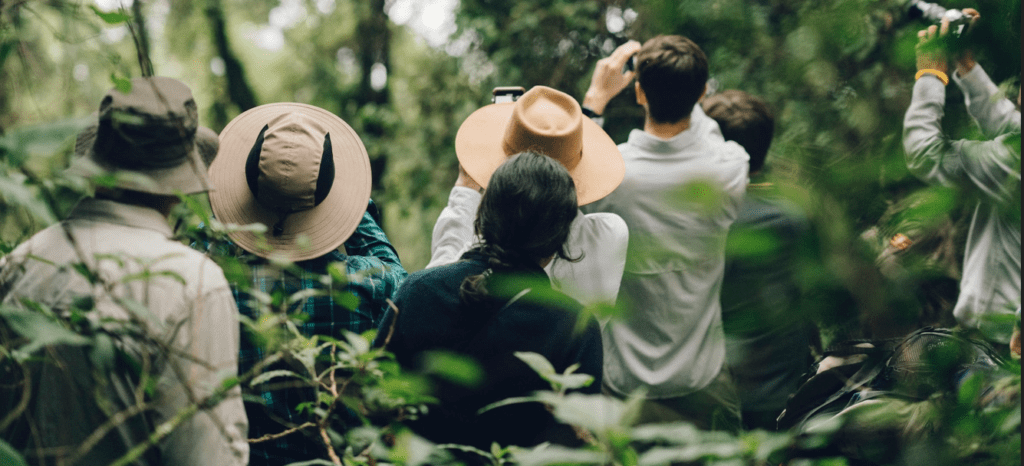
For wildlife photographers, few environments present a more rewarding challenge than the dense, mist-shrouded rainforests of the Albertine Rift. Unlike open-savannah game drives where light is abundant and subjects are easily silhouetted against the sky, forest photography demands absolute mastery over your camera gear. For creators aiming to build an extraordinary portfolio of Africa’s most endangered primates, securing a spot on our specialized Photography Safari: Rwanda Volcanoes + Burundi Chimp Forests package offers a masterclass in visual storytelling. This targeted, cross-border itinerary bridges the steep volcanic slopes of Rwanda with the untouched, raw jungle ridges of northern Burundi.
Capturing pristine imagery under a thick, green forest canopy requires much more than just basic camera knowledge. It demands an understanding of dappled lighting, fast shutter speeds to freeze erratic animal movements, and proper protection against high humidity and sudden rain. By focusing heavily on private ground logistics, custom pacing, and expert wildlife trackers, this double-country photography tour ensures you are consistently positioned in the right place, at the right time, with the exact settings needed to land a masterpiece. Let’s look at the critical photography hotspots, equipment choices, and technical field settings that make this trip an absolute dream for photographers.
Technical Challenges of Primate and Forest Photography
To capture crisp, high-impact images inside a primary rainforest, photographers must prepare for unique environmental conditions that can easily trick standard camera auto-settings.
Confronting Low-Light Environments and Heavy Canopies
The primary hurdle on a forest safari is the severe drop in ambient light caused by multiple layers of thick vegetation. Even on a bright, sunny afternoon, very little direct sunlight reaches the forest floor where mountain gorillas lounge or chimpanzees track through the vines. To maintain a fast enough shutter speed to prevent motion blur, photographers must feel comfortable pushing their camera sensors to high ISO levels . Utilizing modern camera bodies with exceptional high-ISO noise reduction is essential for retaining clean textures in dark primate fur.
Managing High-Contrast Backlighting
When sunlight does manage to pierce the dense leaves, it creates harsh, bright hotspots directly alongside deep, dark shadows. If your camera’s metering system reads these bright spots, your main subject will end up heavily underexposed.
Switching your camera to Spot Metering allows you to meter precisely off the animal’s face, ensuring the skin and fur textures are perfectly exposed regardless of what the background light is doing.
Hotspot 1: Volcanoes National Park (Rwanda)
The sheer volcanic peaks of northwestern Rwanda provide one of the most dramatic backdrops on the continent for wildlife portraiture.
Mastering Mountain Gorilla Portraits in the Bamboo
Tracking mountain gorillas inside Volcanoes National Park places you within a strictly regulated 7-meter (23-foot) distance from a wild family. This proximity means massive, heavy lenses are rarely necessary; a high-quality 70-200mm lens is often your most valuable tool.
The primary goal here is capturing the deep emotion in the gorillas’ eyes. Because their dark fur absorbs immense amounts of light, dial in a slight negative exposure compensation to prevent your camera from overexposing the shot and washing out the background greenery. This tactical approach is emphasized throughout our premium Gorilla Trekking Tours.
Capturing the High-Altitude Virunga Mist
The weather in the mountains changes rapidly, often draping the forest in a thick, moody layer of volcanic fog. Rather than waiting for the mist to clear, use it to your artistic advantage.
A misty background strips away distracting leaf details, naturally isolating your subject and creating an incredibly atmospheric, old-world look. Be sure to keep a high-quality microfiber cloth handy in your pocket to wipe away condensation from your front lens element between shots. This breathtaking park anchors our most scenic Rwanda Tours.
Hotspot 2: Kibira National Park (Burundi)
Crossing south into Burundi brings you to a completely different, uncrowded photography frontier along the high ridges of the Congo-Nile Divide.
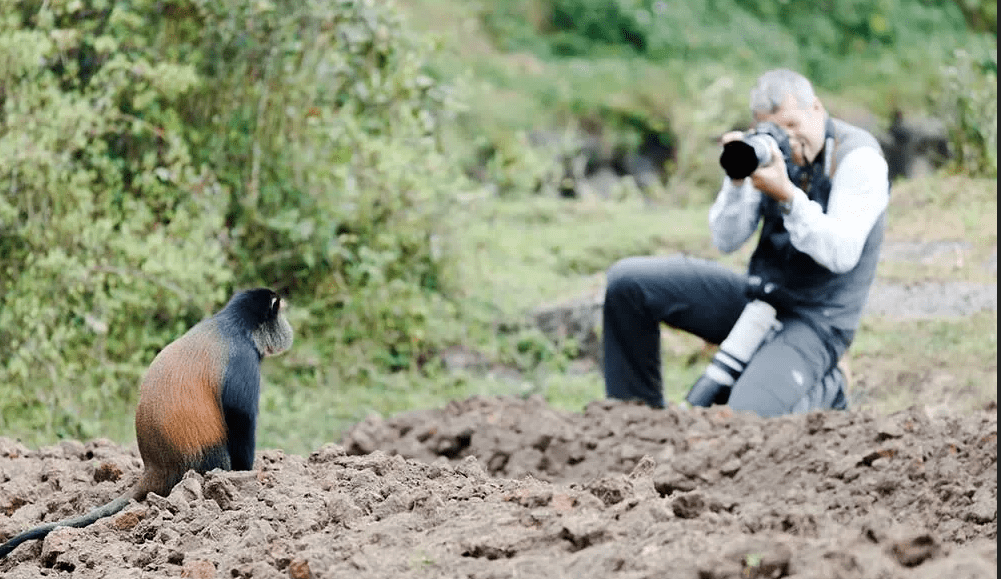
Action Photography with Wild Chimpanzees
While gorillas are generally peaceful and stationary, wild chimpanzees are fast, erratic, and spend a significant amount of time high up in the canopy. This requires a completely different technical approach on your Photography Safari: Rwanda Volcanoes + Burundi Chimp Forests expedition.
To freeze a chimpanzee leaping between branches against a bright sky, switch your camera to a fast shutter speed of at least 1/1000s or higher. A longer telephoto zoom lens, such as a 100-400mm or 200-600mm, is essential here to pull in sharp details from distant branches, making this a standout segment on our Burundi Tours.
The Uncrowded Advantage of the Kibira Trails
Because Kibira National Park sees very few international tourists, you will not be competing with dozens of other lenses for the ultimate angle. This quiet environment allows you to work patiently alongside your dedicated tracker, setting up your tripod or monopod seamlessly without blocking anyone else’s view. This exclusive, slow-paced access allows you to focus on capturing authentic behaviors, adding great value to our Primate Safaris.
Essential Landscape and Cultural Extensions
A comprehensive portfolio of the Albertine Rift needs to tell a complete story. This means capturing the sweeping wider landscapes and vibrant local faces that define the region.
The Mirror Reflections of Lake Kivu
Positioned between the two primate destinations, Lake Kivu offers incredible opportunities for wide-angle landscape photography. The absolute highlight occurs at dusk. This is when the local three-boat catamaran fishing crews paddle out into the deep water, singing traditional melodies. Capturing the silhouettes of these long wooden boats against a deep orange and purple sunset sky is a favorite experience on our multi-country East Africa Safaris.
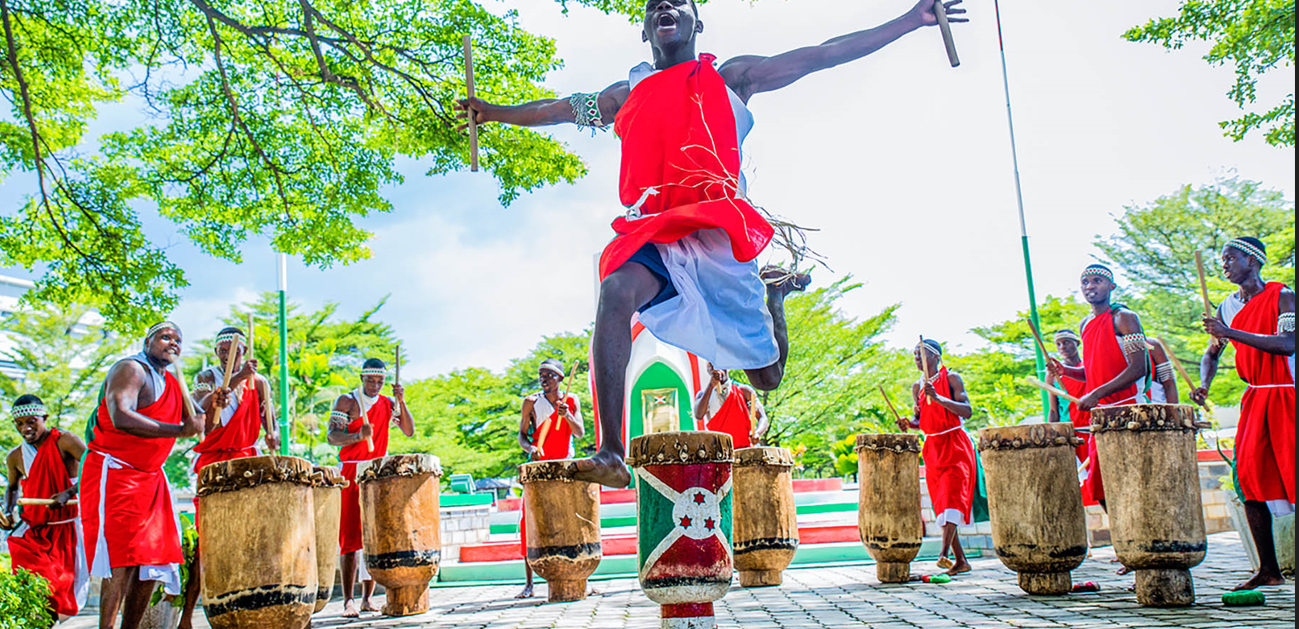
High-Speed Motion with the Royal Drummers of Burundi
Before wrapping up your safari, capturing a performance by the world-famous Royal Drummers of Burundi offers an incredible lesson in cultural action photography.
The drummers leap high into the air while balancing heavy wooden drums on their heads. To freeze this explosion of movement without any blur, push your shutter speed up to 1/1600s, utilize continuous high-speed drive mode, and keep your focus locked onto the lead dancer’s face, an experience highlighted on our Cultural Tours.
The Master Photography Packing List
Packing for a dual-country forest safari means selecting versatile, weather-sealed gear that you can comfortably carry on your back over steep, muddy terrain.
Visas, Cross-Border Logistics, and Health Rules
Successfully executing a multi-country photography tour requires careful attention to regional immigration guidelines to ensure a smooth transition between destinations.
Ensure your passport remains valid for at least six months past your intended travel dates and has several blank pages available. For up-to-date entry rules, consult the official portals managed by Rwanda Immigration Services and Burundi Immigration Authorities. While Rwanda offers convenient visas-on-arrival, Burundi requires an approved eVisa or pre-clearance letter before you board your flight. Because the land border between the two nations is currently closed to international transit, our teams arrange a quick regional flight to connect the destinations seamlessly. Additionally, carrying a valid physical Yellow Fever vaccination certificate is strictly mandatory to clear regional immigration checkpoints safely.
Best Season to Book Your Photography Safari
While the rainforests are beautiful year-round, timing your expedition to line up with regional weather patterns can make a massive difference in your overall image quality.
The long dry season from June to September is universally considered the prime window for this multi-country photography tour. During these months, rainfall is rare, forest paths are firmer and easier to hike, and water visibility is optimal for landscape reflections. The shorter dry window from December to February is another excellent choice. Traveling during the rainy seasons (March to May and October to November) brings slicker paths and humid air, but it rewards photographers with deeply dramatic cloud formations, incredibly lush green foliage, and misty backdrops that look spectacular on camera.
Why Choose Feather Trail Safaris for Your Portfolio Trip
Coordinating a photography-focused safari across Rwanda and Burundi involves managing highly specific details—including booking date-specific primate permits, organizing regional flights, arranging private 4×4 vehicles with window access, and securing accommodations with reliable equipment charging stations. Trying to arrange these moving parts on your own can easily lead to logistical issues in the field.
At Feather Trail Safaris, we specialize in creating seamless, stress-free, and highly productive multi-country expeditions. We take care of every single logistical detail, from reserving your official gorilla and chimp permits to arranging private ground transport, regional flights, border documentation, and bookings at premium eco-lodges featuring excellent charging hubs. Our deep local knowledge, experienced guides, and focus on creative pacing ensure you return home with an elite professional portfolio.
Ready to capture the ultimate primate shots? Contact Us today to start designing your custom photography itinerary.
FAQ
What is the Photography Safari: Rwanda Volcanoes + Burundi Chimp Forests tour?
This specialized multi-country tour package is designed specifically for wildlife photographers, focusing on mastering low-light forest techniques to capture professional images of mountain gorillas and wild chimpanzees.
What camera lenses are best for mountain gorilla photography?
Because you are positioned within a 7-meter distance from the gorillas, fast zoom lenses like a 24-70mm or a 70-200mm are ideal for capturing stunning portraits without needing massive telephotos.
Why is chimpanzee photography in Kibira more challenging?
Chimpanzees are fast, highly active, and spend most of their time high up in the forest canopy. This requires a longer lens (400mm$ to $600mm) and fast shutter speeds (1000s) to freeze their movement against the sky.
Is it safe to change camera lenses inside the rainforest?
We highly recommend avoiding changing lenses on the trail to prevent moisture, dust, and floating spores from settling directly onto your camera sensor. Using two separate camera bodies with different lenses attached is the best approach.
What are the visa requirements for this photography safari?
You will need a valid entry visa for each nation. Rwanda offers convenient visas-on-arrival, while Burundi requires you to secure an approved eVisa or pre-clearance letter before you fly.
How do we travel between the two countries during the tour?
Because the land border between Rwanda and Burundi is currently closed to international transit, our safari packages include a quick, comfortable regional flight connecting the destinations.
Do the safari lodges have reliable power for charging camera batteries?
Yes, we specifically select premium eco-lodges that feature stable solar or generator setups, multi-plug charging stations, and plenty of room in the villas to manage your camera gear safely overnight.
How do I customize this photography tour for my camera club?
You can easily tailor the itinerary, daily pacing, and group size to match your creative goals by reaching out to our regional safari specialists through our website’s main contact form.