
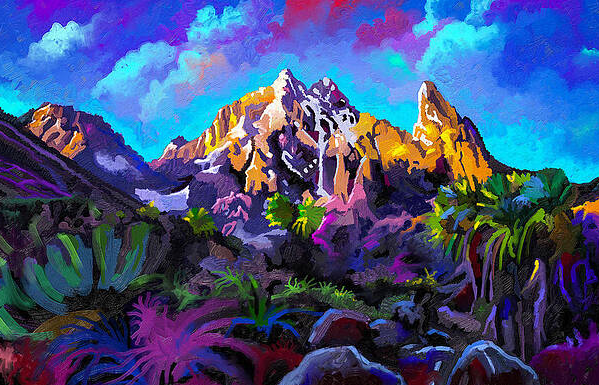
The Burundi Art Scene is a fascinating reflection of the country’s history, identity, and cultural resilience. Nestled in the heart of East Africa, Burundi is often celebrated for its breathtaking landscapes, vibrant drumming traditions, and warm hospitality. Yet beyond its rolling hills and the shores of Lake Tanganyika lies a rich artistic heritage that deserves equal recognition.
Art in Burundi is more than a form of creative expression; it is a living record of the nation’s traditions, beliefs, and daily life. From intricately woven baskets and carved wooden sculptures to modern paintings and contemporary installations, Burundian artists use their work to tell stories that connect generations and preserve cultural memory.
For travelers interested in culture, heritage, and authentic experiences, exploring the Burundi Art Scene offers a unique opportunity to understand the country through the eyes of its creators. Whether visiting artisan workshops in rural villages or discovering emerging talent in Bujumbura, visitors quickly realize that art weaves itself into the fabric of Burundian society.
In this guide, we explore the history, evolution, and future of the Burundi Art Scene, highlighting both traditional craftsmanship and contemporary visual artists who are shaping the country’s creative landscape.
The Historical Roots of the Burundi Art Scene
The origins of the Burundi Art Scene can be traced back centuries before colonial influence reached the region. Traditional Burundian communities developed artistic practices that reflected their environment, social structures, and spiritual beliefs.
Art was never viewed as separate from daily life. Instead, it served practical, ceremonial, and symbolic purposes. Craftsmen and women produced objects that were both functional and beautiful, transforming ordinary materials into meaningful works of art.
Historically, artistic expression was closely associated with:
Royal traditions and court culture
Community ceremonies and rituals
Agricultural life
Spiritual beliefs and ancestral reverence
Storytelling and oral traditions
Many traditional forms of art remain relevant today, providing a strong foundation for contemporary artistic expression.
Traditional Burundian Art: Preserving Cultural Heritage
Basket Weaving: A Symbol of Identity and Craftsmanship
Among Burundi’s most celebrated artistic traditions is basket weaving. Across the country, skilled artisans create stunning baskets using natural fibers harvested from local plants.
These baskets are admired for their:
Geometric patterns
Fine craftsmanship
Durability
Cultural symbolism
Historically, woven baskets were used for storing grains, carrying produce, and presenting gifts during important ceremonies. Today, they are also valued as decorative pieces and cultural souvenirs.
Many designs reflect concepts such as unity, prosperity, family, and harmony. The knowledge required to produce these baskets is often passed down from mothers to daughters, ensuring the continuation of centuries-old traditions.
Visitors traveling through rural Burundi frequently encounter women weaving together in communal settings, transforming craftsmanship into a social and cultural activity.
Wood Carving and Sculpture
Wood carving represents another important pillar of traditional Burundian art. Local artisans create a wide variety of objects, including:
Traditional stools
Sculptures
Decorative figures
Household items
Musical instruments
Many carvings depict animals, community leaders, ancestral figures, or scenes from everyday life. These works often communicate values, beliefs, and historical narratives.
The artistry involved requires years of practice, making master carvers highly respected within their communities.
Pottery and Ceramics
Pottery has long played a practical and artistic role in Burundian culture. Clay vessels are used for cooking, storing water, and ceremonial purposes.
Traditional pottery techniques rely on locally sourced materials and hand-building methods. While modern manufacturing has reduced demand for some functional pottery, many artisans continue producing pieces that celebrate Burundi’s cultural heritage.
The Influence of Culture on Visual Arts
The Burundi Art Scene cannot be understood without appreciating the country’s broader cultural traditions.
Drumming as Artistic Inspiration
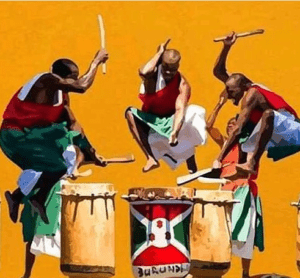
Burundi’s royal drumming tradition is internationally renowned and serves as a major source of inspiration for visual artists.
The movement, rhythm, and symbolism associated with drumming frequently appear in paintings, sculptures, and mixed-media works. Artists often use visual elements to capture the energy and spirit of drum performances.
Storytelling and Oral Traditions
For generations, stories have been passed down orally throughout Burundi. These narratives often feature heroes, ancestors, moral lessons, and historical events.
Contemporary artists continue drawing inspiration from these stories, transforming oral traditions into visual representations that preserve cultural memory.
Nature and Landscape
Burundi’s natural beauty strongly influences artistic expression. The country’s rolling hills, lakes, forests, and agricultural landscapes frequently appear in artworks.
Many artists use nature as a symbol of identity, resilience, and connection to ancestral lands.
The Rise of Contemporary Art in Burundi
While traditional art remains important, the Burundi Art Scene has evolved significantly in recent decades.
A new generation of artists is embracing contemporary techniques and themes while maintaining connections to cultural heritage.
Contemporary Burundian artists often explore topics such as:
Identity and belonging
Urbanization
Social transformation
Environmental concerns
Youth aspirations
Historical memory
These artists use a variety of mediums, including:
Painting
Photography
Digital art
Mixed media
Installation art
Sculpture
Their work demonstrates that Burundi’s creative landscape is dynamic and evolving.
Contemporary Visual Artists Shaping Burundi’s Creative Future
Across Burundi, emerging visual artists are challenging conventions and creating new artistic narratives.
Many contemporary artists combine traditional symbols with modern techniques, producing work that resonates with both local and international audiences.
Some focus on documenting everyday life, while others use art as a platform for discussing social issues and imagining future possibilities.
Despite limited resources, Burundian artists continue to innovate, demonstrating remarkable creativity and determination.
Their growing visibility contributes to the recognition of the Burundi Art Scene within East Africa and beyond.
Art Galleries and Creative Spaces in Burundi
Although Burundi’s art infrastructure remains relatively small, creative spaces are gradually emerging.
In Bujumbura, visitors can find:
Cultural centers
Art exhibitions
Community workshops
Creative studios
Artisan markets
These venues provide opportunities for artists to showcase their work, connect with audiences, and collaborate with fellow creators.
Many exhibitions feature a blend of traditional and contemporary works, reflecting the diversity of the Burundi Art Scene.
Artisan Markets and Local Craft Communities
For many travelers, artisan markets offer the most authentic introduction to Burundian art.
These markets showcase:
Handwoven baskets
Wooden sculptures
Traditional textiles
Jewelry
Pottery
Decorative crafts
Purchasing directly from artisans not only supports local livelihoods but also helps preserve traditional craftsmanship.
Visitors often have the opportunity to meet artists personally and learn about the techniques and stories behind their creations.
Art and Cultural Tourism in Burundi
Cultural tourism is becoming increasingly important for Burundi’s creative sector.
Travelers seeking meaningful experiences are increasingly interested in connecting with local communities and learning about traditional art forms.
Art tourism activities may include:
Visiting artisan villages
Participating in craft workshops
Exploring cultural festivals
Meeting contemporary artists
Purchasing authentic handmade crafts
These experiences help create sustainable economic opportunities while promoting cultural preservation.
For travelers seeking immersive cultural journeys, Feather Trail Safaris offers opportunities to explore Burundi’s heritage through community-based tourism experiences.
Challenges Facing the Burundi Art Scene
Despite its immense potential, the Burundi Art Scene faces several challenges.
Limited Funding
Many artists struggle to access financial support for materials, exhibitions, and professional development.
Limited Exhibition Opportunities
The country has relatively few galleries and formal art institutions, making it difficult for artists to reach wider audiences.
International Visibility
Compared to artists from larger African markets, Burundian creators often receive less international exposure.
Access to Training
Opportunities for advanced artistic education remain limited, particularly outside major urban areas.
However, these challenges have also fostered resilience and innovation within the artistic community.
The Future of the Burundi Art Scene
The future of the Burundi Art Scene is promising.
Growing interest in African art, expanding cultural tourism, and increased digital connectivity are creating new opportunities for Burundian artists.
Potential developments include:
More cultural festivals
Expanded gallery spaces
International collaborations
Online art marketplaces
Greater support for creative industries
As awareness grows, Burundi’s artists increasingly position themselves to share their stories with global audiences while maintaining their cultural authenticity.
Why the Burundi Art Scene Matters
Art serves as a bridge between past and present, tradition and innovation.
In Burundi, visual arts help preserve cultural heritage while providing space for contemporary expression. They document history, celebrate identity, and inspire future generations.
The Burundi Art Scene reminds us that creativity thrives even in places often overlooked by the global art market. Its strength lies not in commercial scale but in authenticity, cultural depth, and human connection.
The Burundi Art Scene is a vibrant tapestry that weaves together centuries of tradition and emerging contemporary creativity. From the skilled hands of basket weavers and wood carvers to the bold visions of modern painters and visual artists, Burundi’s creative landscape offers a compelling reflection of the country’s identity.
For travelers, exploring Burundian art provides far more than aesthetic appreciation. It offers insight into the stories, values, and experiences that shape the nation.
As cultural tourism continues to grow, the Burundi Art Scene is poised to gain the recognition it deserves. Those who take the time to explore it will discover a world of creativity, resilience, and cultural richness waiting to be experienced.
Ready to discover the cultural heart of Burundi?
Join Feather Trail Safaris for an immersive journey through Burundi’s artistic and cultural heritage. Meet local artisans, explore traditional craft communities, experience authentic cultural encounters, and uncover the stories behind one of East Africa’s most fascinating creative landscapes.
Contact Feather Trail Safaris today and start planning your Burundi cultural adventure.