
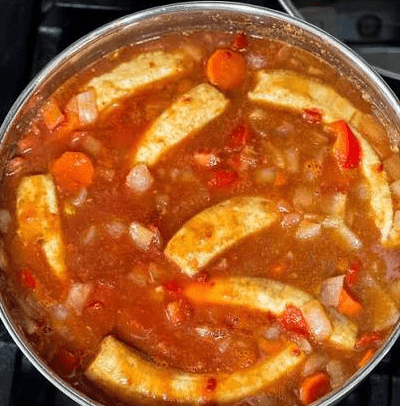
The first meal I ate in Burundi remains the best meal I experienced in the country.
The restaurant itself did not make the meal memorable. A small roadside eatery in Kayanza housed just three plastic tables beneath a corrugated metal roof, and a hand-painted menu listed only four dishes. Instead, the experience stood out because I arrived hungry after a long journey, because the cook prepared the same recipes every day and perfected their flavors through experience, and because the kitchen served isombe, cassava leaves slowly cooked with dried fish, alongside white rice and beans. Together, these simple ingredients created a surprisingly rich and satisfying dish with exactly the right balance of flavors and textures.
Burundian cuisine is not well known internationally, which is a genuine loss. It is honest, seasonal, deeply rooted in the agricultural landscape of the Great Lakes highlands, and, at its best, deeply satisfying. It is also a cultural document: every ingredient, every preparation technique, every traditional meal occasion tells you something true about how Burundians relate to their land and to each other.
The Foundation: Staple Ingredients of Burundian Cuisine
Burundian cuisine is built on a small set of staple ingredients that reflect the country’s agricultural heritage and its highland climate.
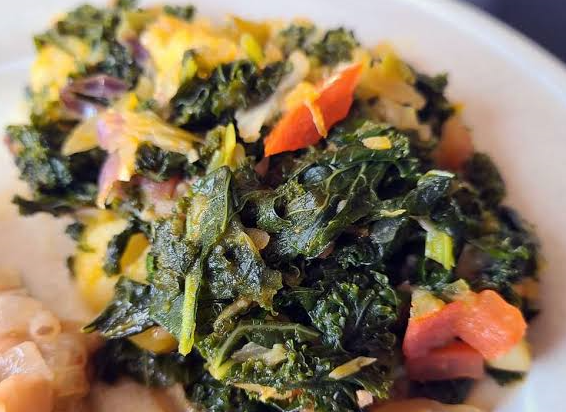
Cassava (manioc): People in Burundi eat both the cassava root and its leaves. They boil, pound, or process the cassava root into flour to prepare ugali, a stiff porridge. Cooks pound the cassava leaves and simmer them with onions, palm oil, and sometimes dried fish to make isombe, a dish that delivers rich nutrition and deep, satisfying flavor.
Beans (ibiharage): Beans are the protein foundation of Burundian cuisine, cooked slowly in their own liquid with onion and salt, served as an accompaniment to ugali, rice, or sweet potato. The variety of beans grown in Burundi is extraordinary: speckled, black, red, white, and purple varieties all appear in the markets.
Plantain and banana (igitoke): Green plantains are boiled, fried, or mashed; ripe bananas are eaten fresh or fermented into urwarwa (banana beer). Plantain is a daily staple in the wetter regions of the country.
Sweet potato (ibijumbu): Boiled or roasted, sweet potato is a common breakfast food and a significant caloric staple for rural communities.
Sorghum and millet (intete and uburo): Used for porridge, for the traditional fermented uji drink, and, ceremonially, for urwarwa beer.
Rice: Increasingly common, particularly in urban areas and in restaurant cooking. Not traditionally a Great Lakes staple but now thoroughly integrated into Burundian daily cooking.
Signature Burundian Dishes
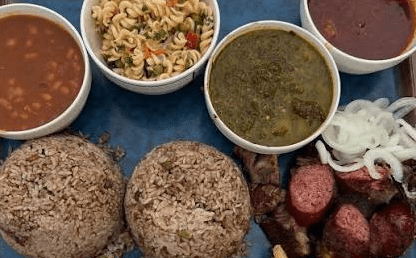
Isombe: The dish that stopped me on that first day. Pounded cassava leaves slowly cooked with dried fish, onion, palm oil, and sometimes chilli. Served with rice or ugali. Rich, earthy, deeply nourishing. The national comfort food.
Brochettes: Burundi’s most ubiquitous restaurant and street food, skewers of marinated beef, goat, or occasionally chicken, grilled over charcoal. Simple and universally excellent when freshly grilled. Served with fried plantain (misitari) or chips.
Ugali with beans: The foundation meal of Burundian daily life. Ugali, stiff maize or cassava flour porridge, served with slowly cooked beans. Not glamorous, but essential, nutritious, and in good hands deeply satisfying.
Tilapia and Nile perch: Fresh fish from Lake Tanganyika and the country’s rivers, fried whole or grilled. The quality of freshwater fish in Bujumbura’s lakeside restaurants, served the same day it was caught, is outstanding.
Sambaza: Tiny dried fish from Lake Tanganyika, eaten whole, fried or cooked into stews. A regional speciality that Burundians are rightly proud of. Addictive.
Mandazi: Sweet fried dough, a breakfast and snack staple throughout East Africa. The Burundian version is typically less sweet than Kenyan equivalents and pairs well with strong local tea.
Traditional Drinks
Urwarwa: The traditional banana or sorghum beer that is central to all social and ceremonial occasions. Slightly sweet, mildly alcoholic, naturally fermented, and best consumed fresh. Sharing urwarwa from a communal pot with reed straws is a genuine ritual of fellowship.
Burundian tea and coffee: Burundi produces exceptional tea and coffee at altitude, and the domestic consumption culture reflects this. Strong, sweet tea with milk is the universal morning drink. Urban cafés most commonly serve coffee as a strong, filtered beverage, and Burundian farmers produce excellent-quality single-origin coffee. Urban cafés most commonly serve coffee as a strong, filtered beverage, and Burundian farmers produce excellent-quality single-origin coffee.
Primus: The national beer, brewed in Bujumbura. A clean, light lager that is the universal lubricant of Burundian social life. Ice cold, it is exactly what you want after a hot afternoon in the market.
Where to Eat in Bujumbura
Chez Nous, Quartier Asiatique: The best-regarded restaurant for traditional Burundian food in the capital. Simple, good, with a daily changing menu based on market availability.
Restaurant du Lac: Lakeside restaurant specialising in fresh Tanganyika fish. The tilapia here is outstanding.
Marché Central market restaurants: The small restaurants inside and around the central market serve the most authentic and affordable Burundian food in the city. Find a busy one, a queue is a reliable quality indicator.
Hotel Le Doyen: Mid-range hotel restaurant with a good mixed menu of Burundian and international dishes. Useful for travellers who want the option of familiar food alongside local specialities.
Street food vendors around Rond-Point de l’Europe: The best concentration of street brochette vendors in Bujumbura. Evening from 6pm is peak time.
Eating Well Across Burundi: Practical Notes
Eat where locals eat. The best food in Burundi is in the places that serve Burundian food to Burundian people. Restaurants positioned as international or tourist establishments are almost always inferior to the local alternatives.
Market restaurants are outstanding. Every significant market in Burundi has small restaurants serving fresh, daily-cooked food at very low prices (1 to 3 usd for a full meal). These are among the best eating experiences the country offers.
Fish in Bujumbura, beans everywhere else. The quality and variety of fresh fish peaks in Bujumbura due to its proximity to Lake Tanganyika. Upcountry, beans and plantain-based dishes are more representative of everyday Burundian cuisine.
Ask your guide for recommendations. The best restaurants in any Burundian town are the ones your guide’s family goes to. Ask.
FAQs
What is the most popular dish in Burundi?
Isombe (cassava leaves with dried fish) and brochettes (grilled meat skewers) are both contenders, depending on context. For daily home cooking, ugali with beans is the true staple.
Is Burundian food spicy?
Generally not strongly spicy by East or West African standards. Chilli is used but with restraint. The dominant flavour profiles are earthy, savoury, and slightly smoky.
Is the water safe to drink in Burundi?
Tap water in Burundi is not reliably safe for visitors. Drink bottled water or water that has been boiled and filtered. Your accommodation will provide safe water.
Can vegetarians eat well in Burundi?
Yes. The bean and vegetable traditions of Burundian cuisine are naturally vegetarian-friendly. Isombe without fish, rice and beans, fried plantain, and fresh market vegetables provide excellent vegetarian eating with some communication.
Explore Burundi food and culture tours with Feather Trail Safaris