
Feather Trail Safaris
Safari
Packing List
Everything you need. Nothing you don't.
Heading out on a gorilla trek through Bwindi, a game drive in the Serengeti, or a boat cruise on Lake Victoria? We want every guest to arrive prepared: confident, comfortable, and ready for adventure.
Good to know: This list is a practical guide, not a strict requirement. Pack light. Many lodges offer laundry service, usually one item per person per day, and small personal items are generally not included. Everyday items are easy to buy in Kigali or Kampala, so we've kept them off the checklist.
Explore
Packing Categories
Your Short Packing Guide
Tick items off as you pack and watch your progress update. Tap any card to jump to that section.
Passport, visas, health certificate, permits and money. Never leave home without these.
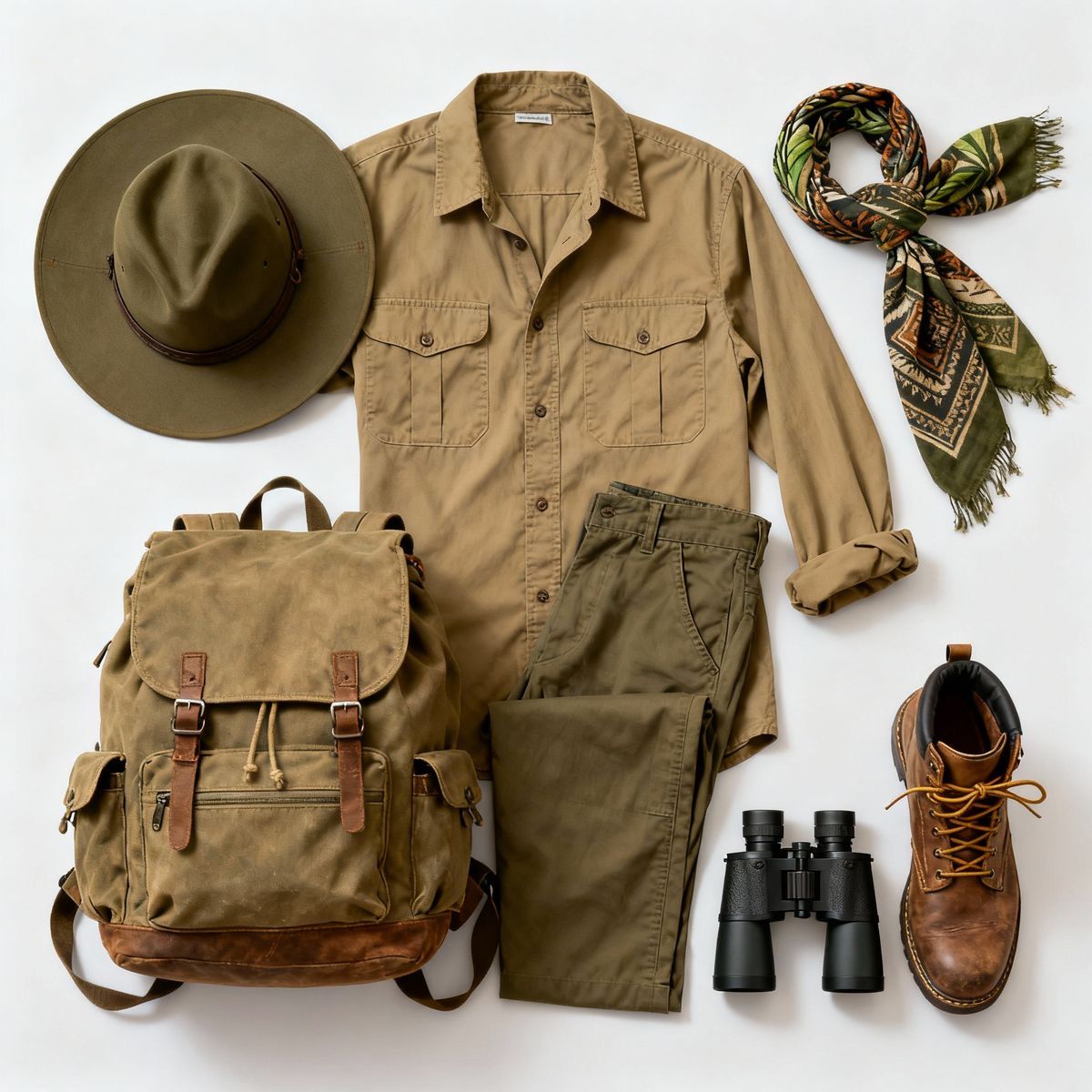
Earthy tones, lightweight and layered for cool mornings and warm afternoons.
Malaria prevention, prescription medication and sun and insect protection.
Binoculars, camera, power and a daypack. The few items that really matter.
Gloves and poles for Bwindi and Volcanoes NP, plus the two rules every trekker must follow.
Toiletries, sunscreen, batteries and more are easy to find in Kigali and Kampala.
We recommend khaki, green, olive, tan and brown for all safari days. Bright colours disturb wildlife, and blue attracts certain insects. Camouflage clothing is prohibited in Uganda and Rwanda because it is reserved for military personnel. Leave it at home.
Category 1
Travel Documents
Without these, your safari cannot happen. Keep originals and photocopies in separate bags, and save digital copies in your email.
Email yourself a scan of your passport, visas and insurance. It works anywhere with internet.
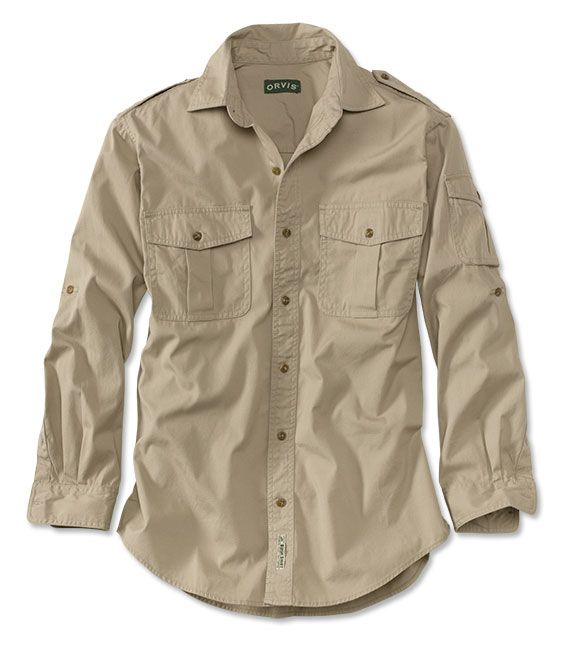
Khaki, olive, green, tan and brown. No bright colours, no blue, no camouflage.
Category 2
Safari Clothing
Expect cool highland mornings, warm afternoons and chilly evenings. Layer up, keep it lightweight, and stick to earth tones.
Category 3
Health Essentials
See your doctor before you travel about malaria prevention and any other vaccinations. Bring enough of your own medication for the whole trip.
Malaria is present in low-lying areas of Uganda and Rwanda. Use repellent and sleep under a mosquito net.
Uganda and Rwanda use 240V / 50Hz power. Sockets in Uganda are the British-style 3-pin type.
Category 4
Safari Gear
The right gear turns a good safari into a great one. Binoculars are the most useful item after your passport, so bring a pair for each person.
Specialist Section
Gorilla Trekking Extras
Trekking in Bwindi or Volcanoes National Park needs a little more than the standard list. Your boots and waterproof jacket above already cover the rest.
Gardening Gloves
Useful for grabbing vegetation on steep slopes. Thick gloves protect your hands from stinging nettles and thorns.
Trekking Poles
Strongly recommended on steep volcanic terrain. Poles reduce fatigue on the descent and add stability on muddy ground.
No Flash Photography
Flash is strictly prohibited around mountain gorillas. Switch it off before you enter the forest. A fast lens copes well with low light.
Do Not Trek Sick
If you have a cold, flu or cough on trek day, you will not be permitted into the forest. Gorillas catch our respiratory illnesses, and this rule protects them and you.
Save Luggage Space
Buy on Arrival
Kigali and Kampala have good pharmacies, supermarkets and outdoor shops. If you forget any of these, or simply want to pack lighter, pick them up when you land.
Expert Advice
Packing Tips from Our Guides
Luggage Weight Limits
Light aircraft flights on safari circuits often limit baggage to 15kg (33lbs) in soft-sided bags. Choose a duffel over a hard suitcase and keep your carry-on light.
Laundry Service
Most lodges offer laundry, typically one item per person per day, and small personal items are often excluded. Rinse socks and underwear in your room to pack even less.
Power and Electronics
Remote lodges may have power only at certain hours. Charge devices whenever you can and keep a power bank for long drive days.
Colour Rules
Stick to khaki, green, olive, tan and brown on game drive and trekking days. Blue attracts tsetse flies, bright colours disturb wildlife, and camouflage is illegal in Uganda and Rwanda.
Planning Uganda?
Read our Uganda Safari Packing List for advice on Bwindi, Kibale, Murchison Falls and Queen Elizabeth.

Got questions about packing?
Let's talk.
Our team has been in the field. We know exactly what you need, and what to leave at home.
Make a Booking
Your East Africa
Adventure Awaits
Fill in the form, message us on WhatsApp, call, or send an email. Our team will reply with a personalised plan and clear pricing.