
Is Uganda Safe for Self Drive Safaris?
I still remember the exact moment I understood why visit Uganda was a question I’d never need to ask again.
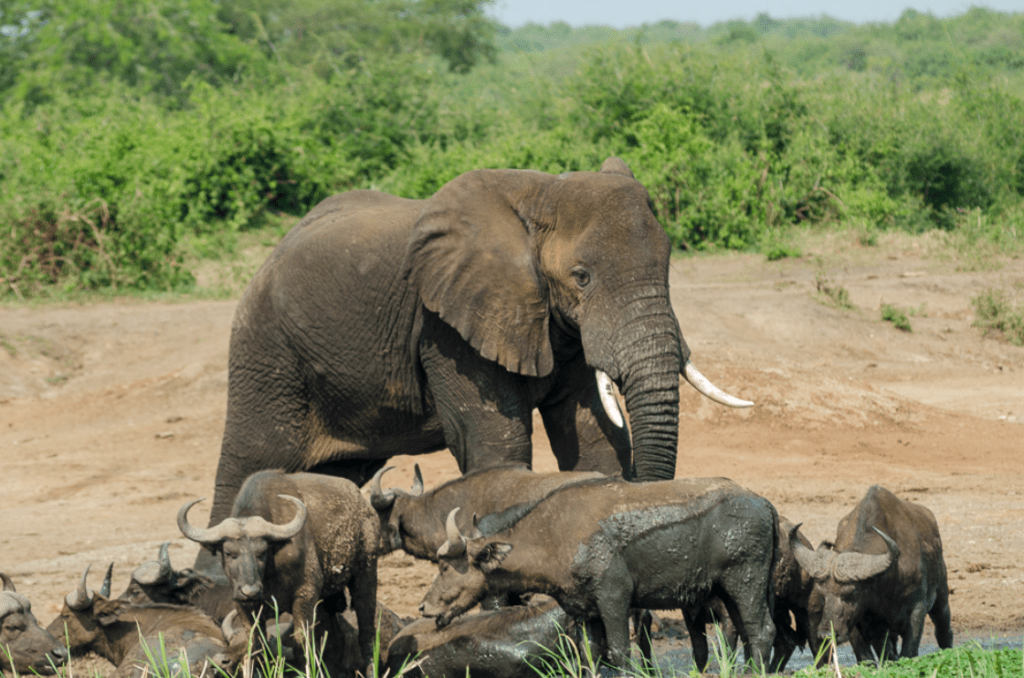
I was parked on a red murram road somewhere between Ishasha and Kasese, engine off, windows down. A family of elephants, a grandmother, two mothers, and a wobbly-legged calf, was crossing the road not thirty meters ahead. There was no ranger. No guide. No other vehicle. Just me, a dusty 4×4, a thermos of cold coffee, and one of the most profound wildlife sightings of my life. That moment cost me nothing except the willingness to drive myself there.
If you’ve been researching a Uganda self drive safari and wondering whether it’s actually safe, whether the roads are manageable, whether the country is stable, whether you’ll be okay out there on your own, I want to give you the honest, unfiltered answer that I wish someone had given me before my first trip.
The short answer? Yes. Uganda is safe for self drive safaris. But like any adventure worth having, it comes with things you need to know first.

Why Visit Uganda for a Self Drive Safari
Let’s start with the most important question. With Kenya, Tanzania, Namibia, and South Africa all marketing themselves aggressively to safari travelers, why visit Uganda at all, let alone drive it yourself?
Because Uganda is different in ways that matter deeply.
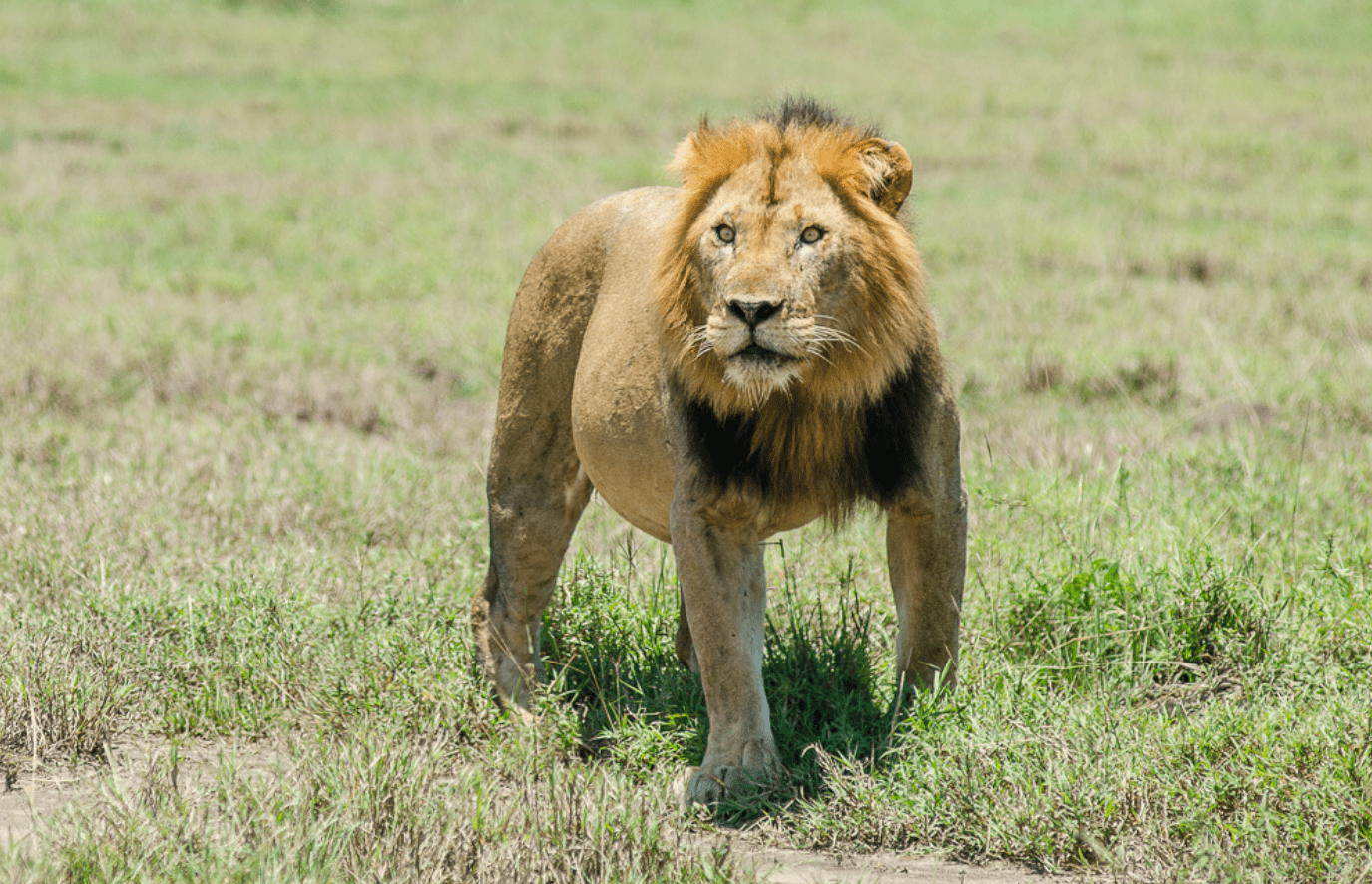
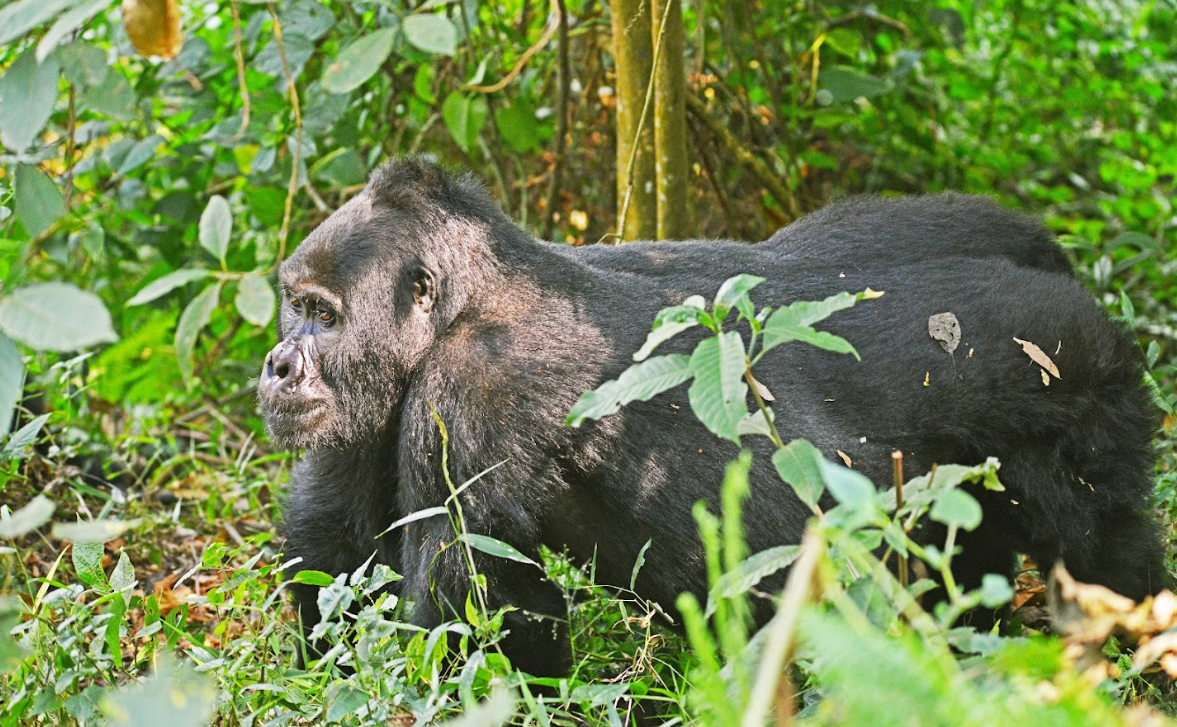
For one thing, Uganda is genuinely wild. Not performatively wild, not curated-for-tourists wild. The forests are ancient and thick. The roads through them are sometimes narrow and muddy and humbling. The wildlife doesn’t perform; it simply lives. When you encounter a silverback gorilla in Bwindi, or watch a lion perched in a fig tree in Ishasha, or feel the spray of Murchison Falls on your face, you understand that you’ve arrived somewhere that hasn’t been smoothed down for comfort.
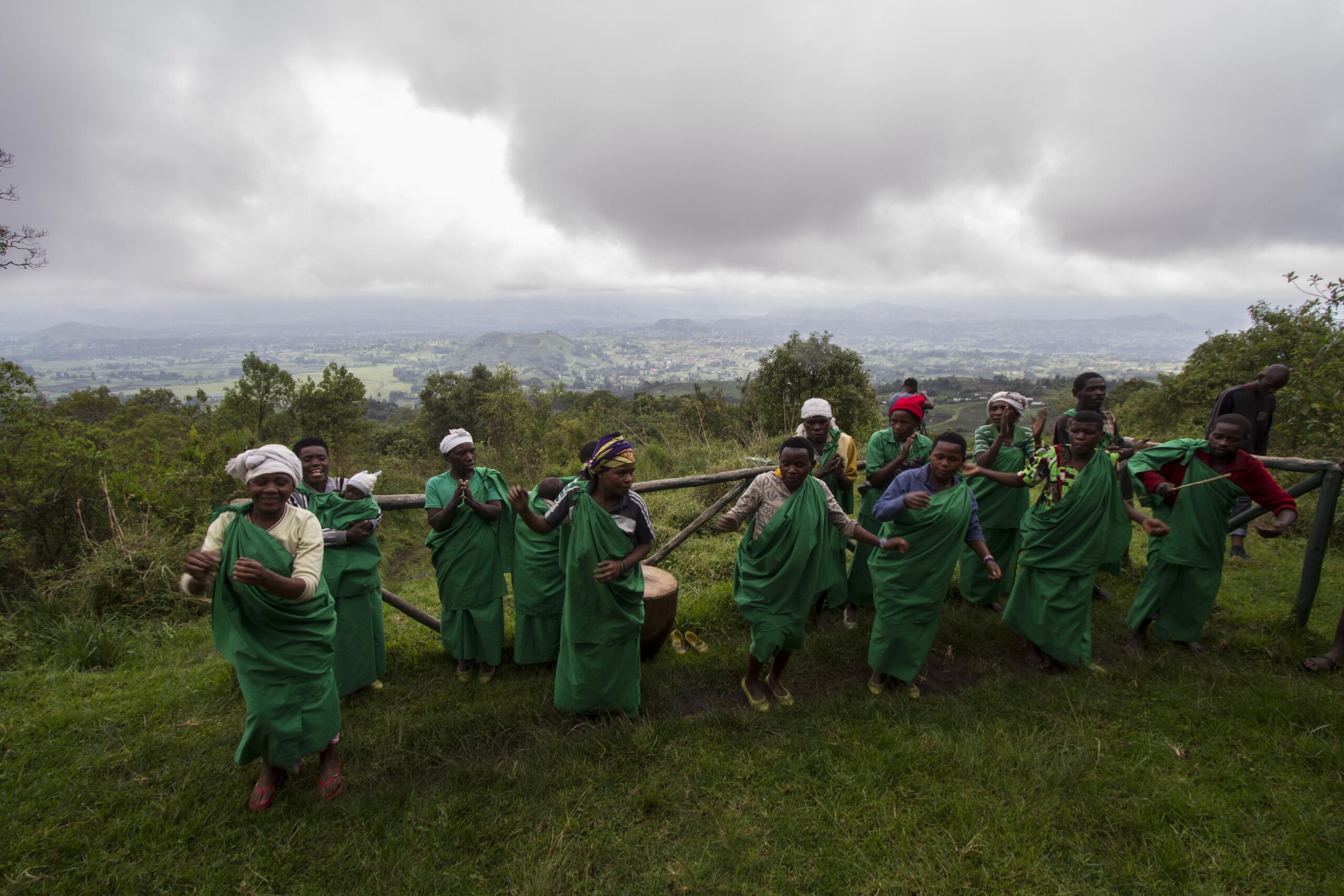
But there’s more to why visit Uganda than just the wildlife. The people are extraordinary. In over three weeks of self drive Uganda travel, I was never once made to feel unwelcome. I was invited to share roasted maize at a roadside stall near Fort Portal. A mechanic in Masindi spent two hours helping me fix a slow puncture and refused to accept more than the cost of the repair. A woman at a guesthouse near Kabale packed me a lunch I hadn’t asked for because she’d heard I was heading into the hills alone.
Uganda gets under your skin the way few destinations manage. And when you experience it at your own pace, behind the wheel, stopping when you want and lingering where you love, it becomes something truly personal.
Furthermore, Uganda offers extraordinary value. Compared to the luxury lodge circuit in East Africa, a self drive Uganda safari lets you stretch your budget without compromising the experience. You choose your own guesthouses, cook at campsites if you want, and redirect your savings toward a gorilla trekking Uganda permit that is absolutely worth every cent.
Is Uganda Safe for Tourists and Self Drive Travelers?
This is the question everyone asks, and it deserves a straight answer.
Yes, Uganda is safe for tourists. The country has been politically stable for decades. It does not experience the kind of cross-border instability that some of its neighbors have faced, and the areas popular with travelers, Kampala, Bwindi, Queen Elizabeth National Park, Murchison Falls, Kibale Forest, are well-visited and well-monitored.
The Ugandan government and Uganda Wildlife Authority (UWA) have invested seriously in tourism infrastructure and ranger presence in protected areas. You will notice this the moment you arrive at a national park gate. Rangers are professional, often well-informed, and genuinely helpful.
Petty crime exists, as it does everywhere. In Kampala, keep your phone in your pocket and your bag close in crowded areas like the taxi parks and markets. Outside the capital, the risks drop considerably. Most rural Ugandans you’ll encounter are curious and kind, not threatening.
A few honest safety notes worth keeping in mind:
- Boda bodas (motorcycle taxis) are involved in many road accidents in Uganda. Don’t use them unless you have experience and a helmet is offered.
- Night driving is genuinely risky and best avoided altogether. More on this shortly.
- Wildlife areas require respect — follow park guidelines, never leave your vehicle without ranger permission, and maintain safe distances from animals.
- Water and food hygiene matter. Stick to bottled water, be thoughtful about street food preparation, and carry basic medical supplies.
Truthfully, in all my time traveling Uganda independently, the scariest moments were bad road surfaces and a single ill-advised attempt to negotiate a flooded crossing near Katunguru. I turned around. That was the right call.
Driving in Uganda: What to Expect
Driving in Uganda is one of the most rewarding and occasionally challenging parts of a self drive safari experience. Let me be real with you about both sides.
The Roads
Uganda’s main highways, particularly the stretches connecting Kampala to Masindi, and Kampala toward Mbarara — are generally tarmacked and reasonably maintained. However, once you leave the main routes and head into the national parks or toward remote lodges, you’ll be navigating unpaved murram roads. These red laterite roads are often beautiful and manageable in dry conditions. In the wet season, they become a different story entirely.
Rain transforms a simple-looking track into a slick, rutted channel almost instantly. A 4×4 with high clearance is not optional on a Uganda self drive safari — it is essential. If a company offers you a saloon car for park roads, politely decline.
Traffic and Road Behavior
Traffic in Kampala is dense and patience-testing, especially around rush hours. Overtaking culture can feel aggressive to visitors from Europe or North America. The best strategy is to drive defensively, never assume the road ahead is clear, and resist any pressure to match the speed of local drivers on unfamiliar terrain.
Outside Kampala, the roads open up considerably. You’ll share them with pedestrians, cyclists, cattle, goats, overloaded trucks, and the occasional troop of baboons treating the tarmac like their personal dining room.
Night Driving: Just Don’t
This point cannot be overstated. Do not drive at night in Uganda. The reasons stack up quickly: unmarked speed bumps, vehicles with no lights, pedestrians on dark rural roads, animals crossing, poor visibility, and limited emergency services in remote areas. Almost every experienced traveler in Uganda will tell you the same thing. Plan your driving to finish before sunset. It’s not a suggestion — it’s the golden rule of Uganda road trip safety.
Fuel
Fuel is available in all major towns. Outside urban centers, however, petrol stations become sparse. Always fill your tank before heading into a national park or remote area. Carrying a small jerrycan as backup is wise, particularly in the more remote northern circuits.
Safety Tips for a Uganda Road Trip
Before you set out, here are the most practical safety tips I’ve gathered from personal experience and conversations with other Uganda self drive travelers:
Plan your driving distances realistically. Distances on a map can be deeply misleading in Uganda. A 150km journey might take four hours on a mix of tarmac and park road. Build buffer time into every driving day.
Download offline maps. Google Maps with offline areas downloaded, or Maps.me, is a lifesaver when you lose mobile signal deep in a forest zone. Don’t rely on live data.
Carry a basic toolkit and emergency supplies. Spare tyre (plus knowing how to change it), jump cables, a tow strap, tire repair kit, flashlight, first aid kit, and enough water for at least 24 hours. Reputable car rental Uganda companies should supply most of this — confirm before departure.
Register your itinerary with your accommodation. Let someone know where you’re headed each day. Uganda Wildlife Authority rangers at park gates also log visitor entries, which provides an informal safety net.
Travel with a local SIM card. MTN and Airtel Uganda both offer affordable data and call packages. Signal is surprisingly good in most national parks along main routes.
Respect wildlife boundaries. It sounds obvious until you’re parked next to a bull elephant and he turns to look at you. Follow every UWA guideline, stay in your vehicle in unfenced parks, and keep noise low.
Don’t leave valuables visible in the vehicle. Lock everything in the boot when stopping in towns or village areas.
Best National Parks for a Self Drive Uganda Safari
Uganda’s national parks are the country’s crown jewels, and most of them are perfectly suited to independent exploration. Here’s where to focus your Uganda safari experience.
Murchison Falls National Park
Uganda’s largest park sits in the northwest and delivers drama on every level — the Nile crashing through a narrow gorge, enormous hippo pods, giraffe moving through open savannah, and lions that seem almost too relaxed. The main loop roads are well-maintained and clearly marked. A boat cruise to the base of the falls is a non-negotiable add-on.
Self drive logistics here are excellent. The Paraa ferry crossing is an experience in itself and gives you access to both the northern and southern banks of the Nile.
Queen Elizabeth National Park
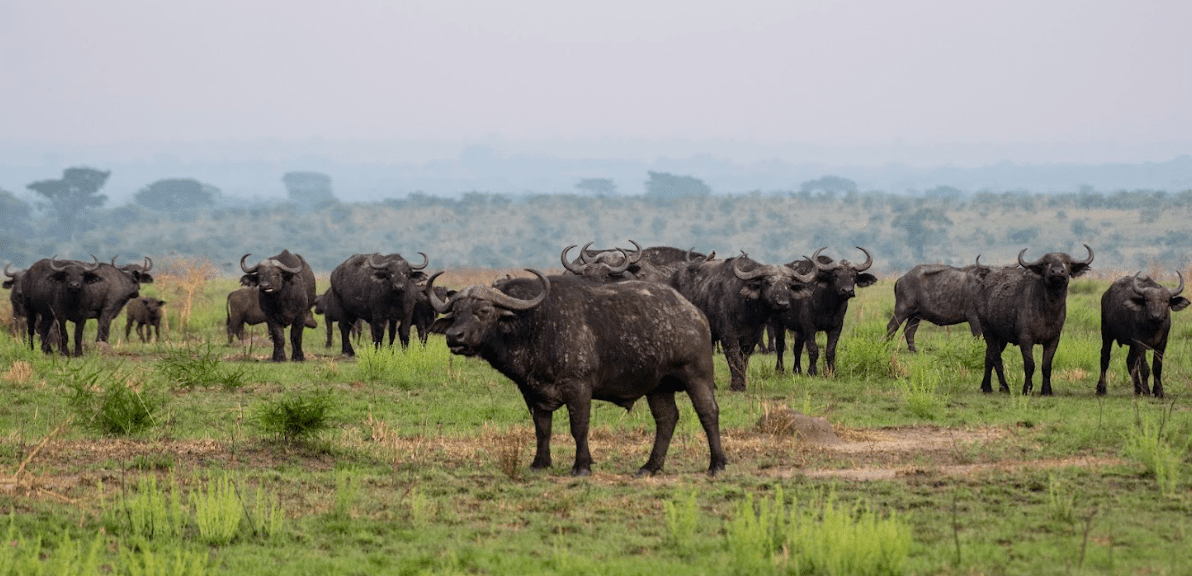
This is the park that converted me from skeptic to devoted Uganda road tripper. The Kazinga Channel, connecting Lakes Edward and George, teems with hippos and buffalo. The Ishasha sector in the south is home to tree-climbing lions, one of only two places in the world where you’ll find them.
Road quality varies. The main tracks are navigable in a good 4×4, but after rain, some sections near Ishasha become genuinely challenging. The reward, however, is being one of very few vehicles in a wilderness that feels entirely unhurried.
Bwindi Impenetrable Forest National Park
Gorilla trekking Uganda is the experience that defines many visitors’ understanding of what wild really means. Bwindi is a UNESCO World Heritage Site and home to roughly half the world’s remaining mountain gorillas.
You won’t drive through Bwindi, the forest is accessed on foot with a ranger guide. But getting yourself there by self drive is entirely feasible and deeply satisfying. The approach road from Kabale winds through stunning highland landscapes, tea plantations, and villages where children run to wave at passing vehicles.
Kibale National Park
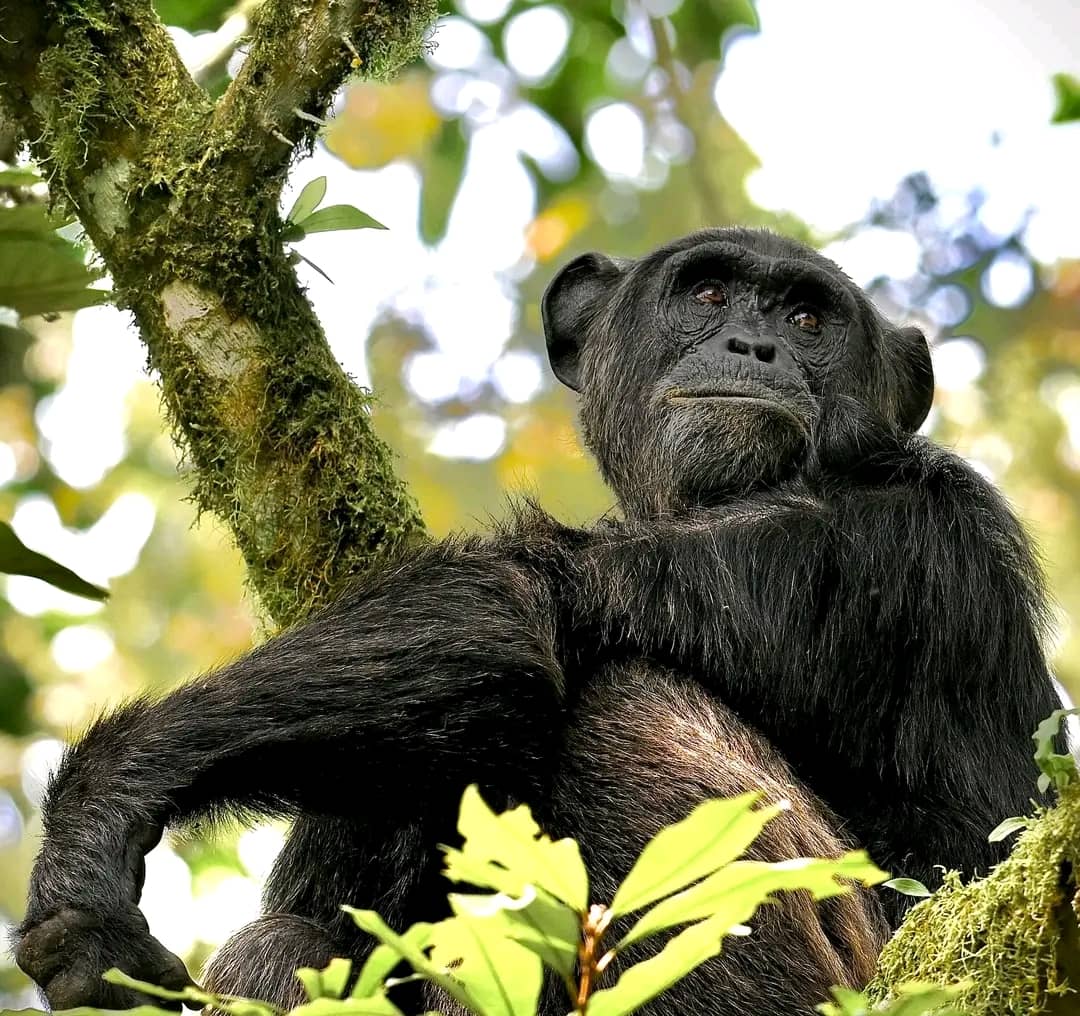
Kibale is the chimpanzee capital of East Africa. The forest tracks here are beautiful, and the park headquarters near Kanyanchu are easy to reach. After a chimp tracking walk, spend the afternoon on the Bigodi Wetland Sanctuary trail, a community-run boardwalk teeming with birds and primates.
Lake Mburo National Park
Often overlooked, Lake Mburo is the only Uganda national park where you can walk and cycle outside of a vehicle. It’s close to Kampala and makes a perfect first-night stop on a longer Uganda road trip circuit. Zebra, impala, eland, and hippos are easily spotted, and the pace is gentle and welcoming for first-time Uganda self drive visitors.
Why Visit Uganda Instead of Other East African Destinations
It’s a fair comparison to make. Kenya and Tanzania have long dominated the East African safari market. So why visit Uganda when those alternatives are well-established and heavily serviced?

A few compelling reasons:
Exclusivity. Uganda simply has fewer tourists. In most parks, you’ll spend significant time with no other vehicles in sight. That solitude is increasingly rare in East Africa and genuinely priceless.
Gorilla trekking Uganda is the world’s best. Full stop. Tanzania doesn’t have mountain gorillas. Kenya doesn’t either. If seeing a mountain gorilla in the wild is on your list, and it should be, Uganda is where you come.
Biodiversity is staggering. Uganda is sometimes called the “Pearl of Africa” for good reason. It holds over 1,000 bird species, making it the top birding destination on the continent. Alongside gorillas and chimpanzees, you can see the Big Five, tree-climbing lions, shoebill storks, colobus monkeys, and golden monkeys, often within a single road trip circuit.
The people. Across all of East Africa, Ugandans have a warmth that travelers consistently remark on. The hospitality is not transactional, it feels genuine, uncomplicated, and real.
Cost-effectiveness. A self drive East Africa experience in Uganda can be significantly more affordable than a guided package in Kenya or Tanzania, particularly when you plan your own accommodation and route.
Common Challenges During a Uganda Self Drive Safari
Honesty matters here. No destination is without its difficulties, and a Uganda self drive safari has a handful of challenges worth preparing for.
Road conditions after rain are the most common frustration. A track that looked fine on your map, or that a driver described as “okay,” can become impassable after a heavy downpour. Always ask locally about current road conditions before setting out on unpaved routes.
Distances take longer than expected. Experienced travelers repeatedly underestimate driving time in Uganda. What looks like two hours can easily become four if you encounter road works, a slow truck on a narrow section, or a herd of cattle that simply doesn’t feel rushed.
Permits must be booked well in advance. Gorilla trekking Uganda permits sell out months ahead of high season. If you’re planning your trip around this experience, and most people are, book your permits as early as possible, then build your driving itinerary around those dates.
Navigation in remote areas can be confusing. Turn-offs aren’t always signposted, and some tracks simply look like every other track. Offline maps help enormously, but combining them with directions from park rangers and lodge staff reduces the chance of a wrong turn that adds two hours to your day.
Altitude and heat management. Uganda straddles the equator but varies dramatically in altitude. The western highlands around Bwindi and Kabale are cool and can be chilly at night. The Murchison Falls circuit can be genuinely hot midday. Pack for both.
None of these challenges are insurmountable. In fact, navigating them is part of what makes a self drive Uganda adventure so memorable. But going in with realistic expectations makes everything smoother.
Why Most Travelers Fall in Love With Uganda
I’ve spoken to dozens of people who’ve done a Uganda self drive safari, and almost all of them describe a similar arc: nervous before departure, challenged on the road, and deeply, lastingly in love with the place by the time they fly home.
Why visit Uganda? Because it asks something of you.
It asks you to be patient with roads that don’t care about your schedule. Asks you to sit quietly while a gorilla family goes about their morning. It asks you to slow down at a village market and actually talk to people rather than drive past them.
In return, Uganda gives you more than most destinations dream of delivering.
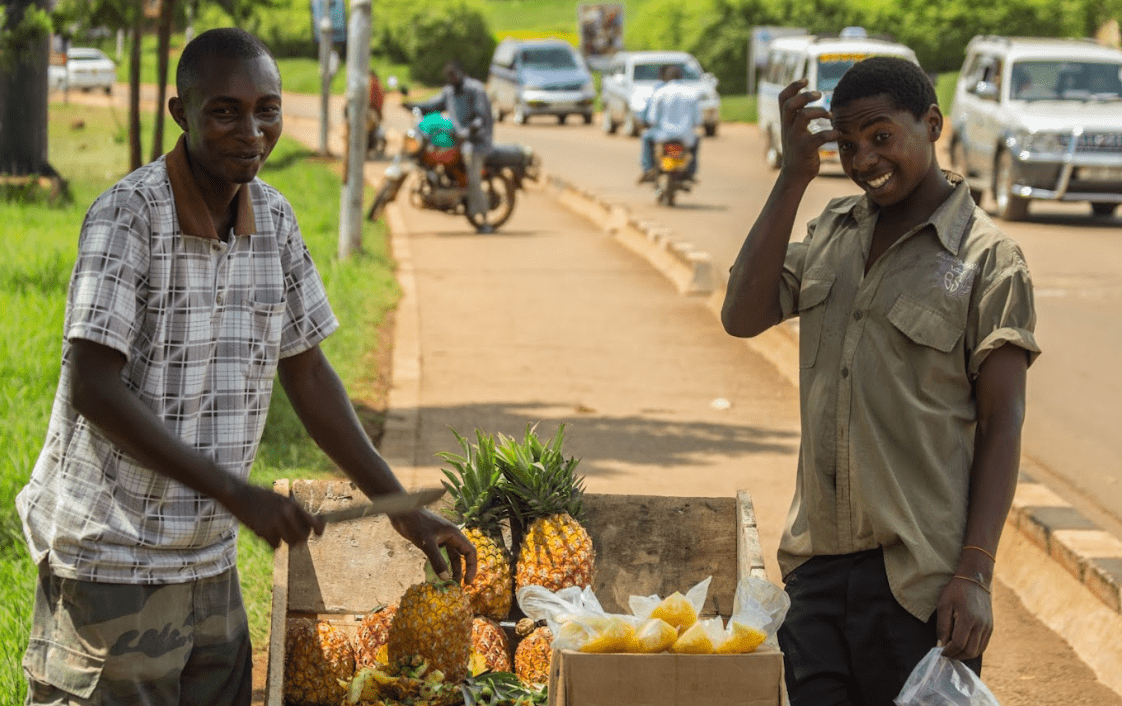
It gives you that elephant family crossing the road in golden light. Gives you a night sky so dense with stars that you can’t quite believe it. It gives you roadside pineapple and passion fruit that taste nothing like the fruit back home. It gives you the sound of hippos grunting across dark water and the smell of fresh rain on red soil.
Gives you the feeling, rare in modern travel, that you found something real.
The self drive format amplifies all of this. Because when you’re the one driving, every kilometer belongs to you. Every wrong turn is your own small adventure. Right turns, opening onto a vista you weren’t expecting, is a private discovery.
Uganda doesn’t need to be sold. It just needs to be experienced.
Lastly, so, is Uganda safe for a self drive safari?
Yes. With preparation, the right vehicle, sensible driving habits, and a willingness to go at Africa’s pace rather than your own, Uganda is very much a destination where independent road travel is not only possible but deeply rewarding.
Why visit Uganda? Because it is one of the last places in East Africa where you can genuinely feel like an explorer. the gorillas are worth every cent of the permit fee. Because the people will surprise you with their warmth. The roads, even the difficult ones, lead somewhere extraordinary.
Plan smart. Drive slow. Stop often. Talk to people.
And when you find yourself parked on a murram road with elephants crossing thirty meters ahead and absolutely no one else around — you’ll understand exactly why every safari traveler who comes to Uganda says the same thing on the way home: I need to come back.
Ready to Plan Your Uganda Self Drive Safari?
Feather Trail Safaris specializes in expertly planned Uganda self drive safari experiences. Whether you need a fully equipped 4×4 rental, a custom-designed road trip itinerary, gorilla trekking Uganda permits, or end-to-end safari planning support — the team at Feather Trail Safaris brings deep local knowledge to every trip.
Don’t navigate Uganda blind. Get in touch today and let experienced hands help you plan the self drive East Africa adventure you’ve been dreaming about.
Start Planning Your Uganda Safari with Feather Trail Safaris →
Frequently Asked Questions (FAQ)
Is Uganda safe for solo self drive travelers?
Yes, Uganda is generally safe for solo self drive travelers. The main national park routes are well-patrolled, local communities are welcoming, and petty crime in tourist areas is low. The biggest risks are road-related — avoid night driving, use a 4×4, and plan realistic daily distances.
Do I need a special license to self drive in Uganda?
A valid international driving permit (IDP) alongside your home country license is recommended and widely accepted. Car rental Uganda companies typically require a minimum age of 23–25 and at least two years’ driving experience.
What is the best vehicle for a Uganda self drive safari?
A 4×4 with high ground clearance is essential, preferably a Toyota Land Cruiser or Land Rover Defender. Many national park roads, particularly in Bwindi and Ishasha, are impassable in a regular sedan, especially after rain.
When is the best time to self drive in Uganda?
The dry seasons, June to August and December to February — offer the best road conditions and wildlife viewing. However, Uganda can be visited year-round. The wet seasons bring lush green landscapes and fewer tourists, though some remote roads become challenging.
How far in advance should I book gorilla trekking permits for Uganda?
Gorilla trekking Uganda permits should be booked at least three to six months in advance for peak season travel (June–August and December–January). They are issued by the Uganda Wildlife Authority and are available through licensed operators like Feather Trail Safaris.
Is car rental in Uganda expensive?
Car rental Uganda rates vary by vehicle type and season. A well-equipped 4×4 with camping gear typically ranges from $70–$150 USD per day depending on the vehicle and included extras. This cost often compares very favorably to guided safari packages when you factor in the flexibility gained.
Can I self drive to Bwindi Impenetrable Forest?
Yes. Bwindi is accessible by self drive via paved and unpaved roads from Kabale or Kisoro. The final approach roads are manageable in a 4×4 but should not be attempted in a low-clearance vehicle. Allow additional time after rain.
What should I do if my vehicle breaks down in a Uganda national park?
Alert the nearest park gate or ranger station immediately. Most reputable car rental Uganda companies provide 24/7 roadside assistance or a local emergency contact number. Carrying a basic toolkit, spare tyre, and the company’s emergency number in your phone is essential preparation.
Article written for Feather Trail Safaris — Uganda’s trusted self drive safari specialists.