
Uganda Gorilla Trekking
Uganda’s gorilla trekking experience stands as one of the most extraordinary wildlife encounters on Earth. It is not just a safari activity; it is an emotional journey that blends adventure, conservation, culture, and profound moments of reflection in the heart of one of Africa’s most ancient forests. Travelers from every corner of the world come to Uganda seeking that moment, the one where they lock eyes with a mountain gorilla and feel the unmistakable connection between humans and nature. The experience is raw, immersive, and transformative.
Uganda is home to more than half of the world’s remaining mountain gorillas, found primarily in Bwindi Impenetrable National Park and Mgahinga Gorilla National Park. These forests, thick with vines, towering trees, and morning mist, are living relics, ecosystems that have survived for millions of years. Trekking through them feels like stepping into a prehistoric world where every rustle, every distant call, and every footprint hints at the presence of something magnificent.
The Emotional Power of Seeing Mountain Gorillas
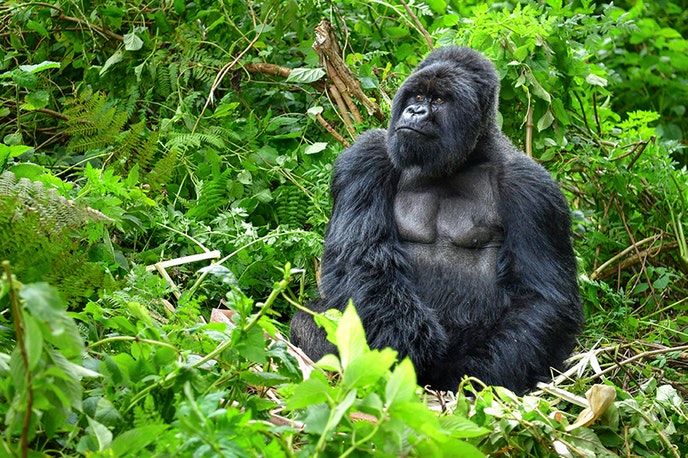
Many travelers describe gorilla trekking as a moment that changes them forever. When you finally reach the gorilla family and see a silverback resting in the foliage, juveniles playing in the trees, and mothers cradling their infants, it evokes a sense of awe and humility. Unlike other wildlife encounters that rely on distance or vehicles, seeing gorillas happens face-to-face, on their terms, in their home. You feel their intelligence, their gentleness, and their powerful presence in a way that few other animals can convey.
This emotional impact is why gorilla trekking is not simply an activity but a deeply meaningful experience. The intimate connection between humans and gorillas is amplified by the knowledge that these animals have survived despite immense threats, habitat loss, poaching, and conflict, and that your visit directly supports their protection.
The Journey Into the Forest
A typical gorilla trek begins early in the morning at the park headquarters. Trekkers receive a briefing from rangers who explain gorilla behavior, safety protocols, and the tracking process. Once the trek begins, the forest becomes your world. The trails are sometimes steep or muddy, and the air grows cooler as you ascend deeper into the canopy. Every step reveals new details: the echoes of tropical birds, fresh gorilla nests, trails left by forest elephants, and thick vegetation that envelopes you like a living cathedral.

The trek can last anywhere from one hour to several, depending on the gorilla family’s movement. But every moment spent in that environment is part of the experience, the anticipation, the mystery, the challenge, and the thrill of knowing you are getting closer.
When the trackers finally signal that the gorillas are near, the excitement becomes almost overwhelming. The forest becomes quiet, and you move slowly through tangles of vines and branches until suddenly, there they are a family of gorillas, relaxed, feeding, grooming, or simply observing you with curious eyes.
What It Feels Like to Be with a Gorilla Family
The first minute in the presence of gorillas is indescribable. The silverback, often the first you notice, radiates power but also calm. You can hear the sound of his breathing, the crunch of vegetation as he feeds, and the soft sounds of communication within the group. Young gorillas might approach with playful curiosity, mothers keep a gentle watch over their infants, and juveniles swing from branches, showing off their acrobatic skills.
One of the most extraordinary aspects is the sense of acceptance. Gorillas recognize that humans are present, but they often remain completely at ease, continuing their routines. This level of comfort is the result of years of habituation, a careful process by conservation teams to ensure that gorillas accept human presence without fear or stress.
The hour you spend with them passes quickly, but it is filled with unforgettable moments that imprint themselves on your mind: a silverback’s deep stare, the softness in an infant’s eyes, the playful interactions of young gorillas, and the harmony of life in the forest.
Why Uganda Is the Best Destination for Gorilla Trekking
Uganda offers more habituated gorilla families than any other country, providing travelers with more trekking options. Bwindi has four major trekking regions — Buhoma, Nkuringo, Rushaga, and Ruhija, each offering unique terrain, gorilla families, and scenic viewpoints. Mgahinga, though smaller, provides a more open terrain with sweeping views of the Virunga Volcanoes.
What sets Uganda apart is not just the number of gorillas but the quality of the trekking experience. The treks are well-organized, the ranger guides are extremely knowledgeable, and the forest ecosystems are stunningly diverse. Uganda also offers a unique Gorilla Habituation Experience in Bwindi, where visitors spend four hours with the gorillas instead of one, giving photographers and researchers unparalleled time to observe their behavior.
Another reason travelers choose Uganda is the affordability. Gorilla permits cost significantly less than in Rwanda, making it possible for more adventurers to experience this life-changing encounter while also knowing that their permit fees directly support conservation and community development.
Conservation and the Power of Sustainable Tourism
One of the most inspiring aspects of gorilla trekking in Uganda is the direct connection between tourism and conservation success. Permit fees fund ranger patrols, veterinary teams, community projects, and forest protection. Communities living around the parks receive a portion of the tourism revenue, creating a strong incentive to protect gorillas and reduce human-wildlife conflict. As a result, Uganda’s gorilla population has grown, marking one of the world’s greatest conservation achievements.
When travelers come for gorilla trekking, they don’t just witness conservation, they become part of it.
Cultural Connection Beyond the Forest
A gorilla trekking safari in Uganda is often enriched by cultural experiences that help travelers understand the human side of the forest landscape. The Batwa, one of Africa’s oldest indigenous groups, share their stories of life in the forest, traditional hunting skills, music, and spiritual beliefs. Visiting these communities is more than a cultural activity; it is an opportunity to appreciate the deep relationship between people and forests and to support sustainable livelihoods.
Nearby towns, craft centers, and cultural projects give travelers a deeper appreciation of Uganda’s heritage and its ongoing journey to balance development, community well-being, and wildlife protection.
The Landscapes That Complete the Experience
Uganda’s gorilla trekking regions are among the most picturesque landscapes in Africa. The volcanic mountains, terraced hillsides, deep valleys, and lush forests create a dramatic backdrop for adventure. Travelers often remark that simply being in Bwindi or Mgahinga feels therapeutic, the fresh mountain air, the quiet atmosphere, and the natural beauty create a sense of peace and renewal.
Sundowners overlooking the hills, scenic drives across the highlands, and moments of stillness in the forest make the journey as memorable as the gorilla encounter itself.
A Journey That Stays with You Forever
Gorilla trekking in Uganda is more than wildlife viewing. It is an experience that touches your spirit, one that blends adventure, reflection, conservation, and human connection. Travelers leave Uganda changed, carrying with them the memory of the gorillas’ gentle eyes, the forest’s quiet power, and the knowledge that they contributed to something meaningful.
Uganda doesn’t just offer gorilla trekking; it offers a relationship with nature at its most intimate and authentic. It is a journey that stays with you long after you have returned home, a reminder of the beauty, resilience, and interconnectedness of life on Earth. Contact Us Today!