
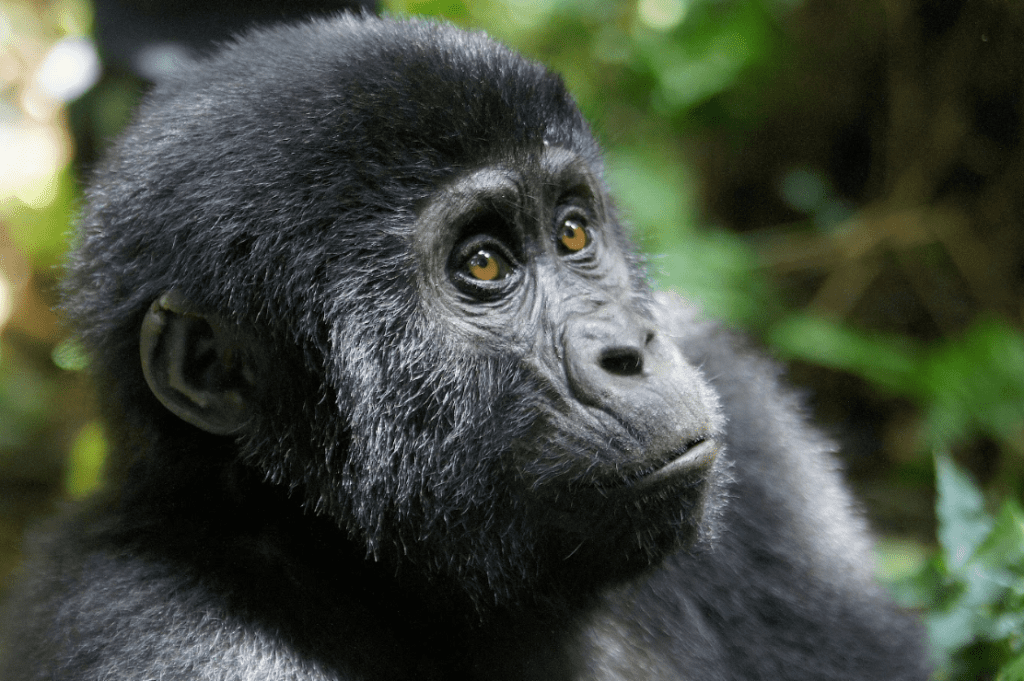
How to Secure a Gorilla Permit in Rwanda (Step-by-Step Guide, A First-Hand Story)
I remember the exact moment I realized that planning a gorilla trekking safari in Rwanda was not as simple as booking a flight and packing a bag.
It happened late one evening, as I sat scrolling through travel forums and safari blogs, reading story after story about encounters with mountain gorillas in Volcanoes National Park. Every account felt deeply personal, almost emotional. People described moments of silence, connection, and awe.
And then I saw it mentioned repeatedly:
“Make sure you secure your gorilla permit early.”
At that point, I paused.
A permit?
That’s when my journey truly began, not in the forest, but in the process of understanding how to secure the one thing that would make the entire experience possible.
The Realization: Why Gorilla Permits Matter
Before I could even think about trekking, I had to understand what a gorilla permit actually was.
In Rwanda, gorilla trekking is strictly regulated to protect the endangered mountain gorillas. Only a limited number of visitors are allowed to visit each gorilla family per day, and each visitor must have a valid permit.
This isn’t just a ticket, it’s access to one of the rarest wildlife experiences on Earth.
And because of that, demand is high.
I quickly learned that without a permit, there is no trekking. No forest experience. No gorilla encounter.
That realization shifted everything. Planning the safari suddenly became about securing the permit first, everything else would come after.
Step 1: Choosing My Travel Dates Carefully
The first step in securing a permit was deciding when I wanted to travel.
At first, I thought I could simply choose dates that suited my schedule. But as I researched further, I discovered that availability of permits varies significantly depending on the season.
The peak months, June to September and December to February, are the most popular. During these times, permits sell out quickly, sometimes months in advance.
I had to ask myself: did I want to travel during peak season for better conditions, or consider the quieter months with potentially more availability?
In the end, I chose a date that balanced both, still within a favorable season, but far enough ahead to give me a realistic chance of securing a permit.
That decision alone made the next steps much easier.
Step 2: Understanding the Cost
The next step was confronting the cost.
In Rwanda, a gorilla trekking permit is priced at $1,500 per person.
At first, I hesitated. It’s a significant investment.
But the more I read, the more I understood what that cost represents. It supports conservation efforts, protects the gorillas, and contributes to local communities.
This wasn’t just a fee, it was part of a larger system designed to preserve a rare and fragile ecosystem.
Once I accepted that, the cost became easier to justify.
Step 3: Contacting a Trusted Safari Operator
This was the step that changed everything.
At first, I considered trying to secure the permit on my own. But the process felt overwhelming—availability checks, payments, confirmations, coordination with travel plans.
That’s when I decided to work with a safari operator.
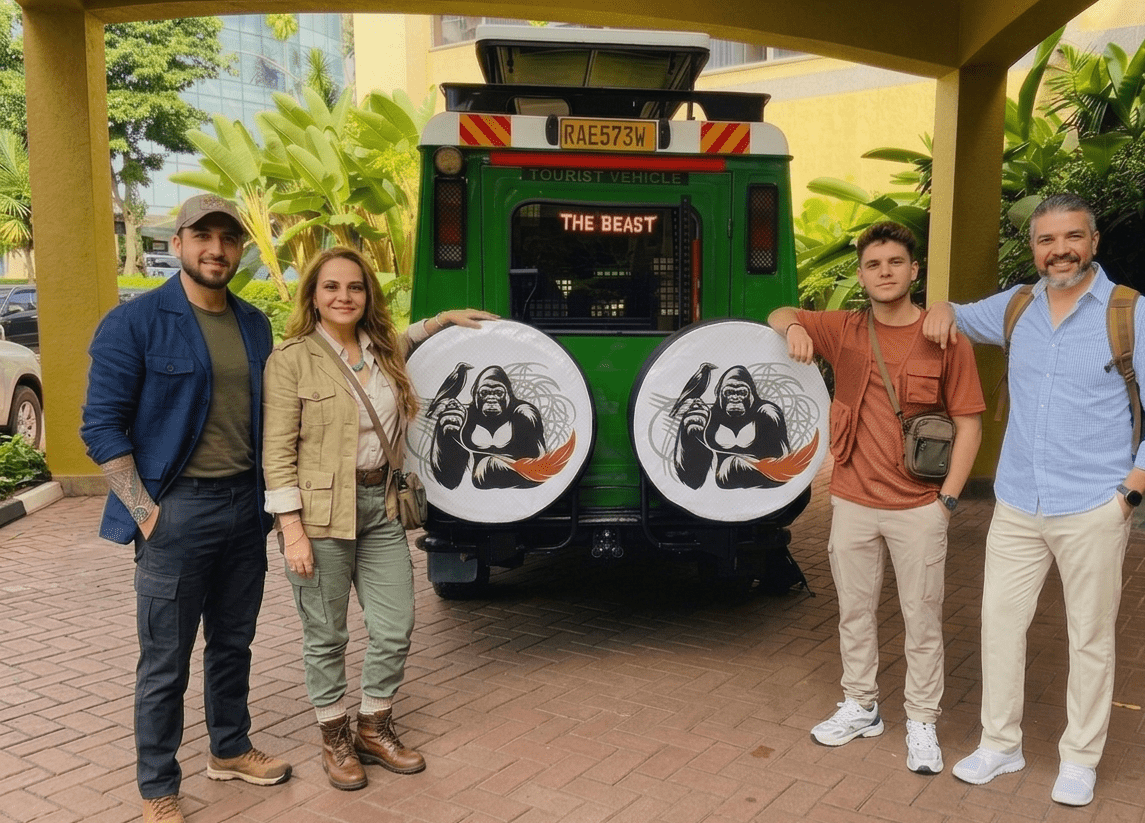
Through Feather Trail Safaris, the process became clear and manageable. Instead of navigating the system alone, I had someone guiding me through each step.
I provided my preferred travel dates, and they immediately began checking availability for gorilla permits in Volcanoes National Park.
Within a short time, I received an update: permits were available, but only for certain dates.
That was my moment of decision.
Step 4: Securing the Permit
Once availability was confirmed, the next step was payment.
Permits in Rwanda are only secured upon full payment. There is no reservation without commitment.
I remember feeling a mix of excitement and nervousness as I completed the payment process. It felt like a big step—but also a necessary one.
Shortly after, I received confirmation.
My permit was secured.
At that moment, everything became real. The trip was no longer just an idea, it was happening.
Step 5: Receiving Confirmation and Details
After securing the permit, I received all the necessary documentation.
This included:
- Confirmation of the permit
- Trekking date
- Park details
- Important guidelines for the experience
Having everything clearly outlined gave me confidence. I knew exactly where I needed to be and what to expect.
It also allowed me to plan the rest of my trip, accommodation, transport, and additional activities.
Step 6: Planning Around the Permit
One of the most important things I learned is that the gorilla permit determines your itinerary—not the other way around.
Once my permit date was confirmed, everything else had to align with it.
I planned my arrival in Kigali accordingly, ensuring I had enough time to travel to the park before the trekking day.
Accommodation near Volcanoes National Park was also arranged in advance, as lodges tend to fill up quickly during peak seasons.
This step required careful coordination, but it ensured that the entire experience would flow smoothly.
Step 7: Preparing for the Trekking Day
As the trekking date approached, my focus shifted from logistics to preparation.
I reviewed the guidelines provided with my permit. I packed appropriate clothing, hiking boots, and essentials for a forest trek.
But more than anything, I prepared mentally.
This was not just another activity, it was something I had planned, invested in, and looked forward to for months.
The Day It All Came Together
The morning of the trek arrived earlier than expected.
Standing at the park headquarters in Volcanoes National Park, permit in hand, I felt a quiet sense of anticipation.
Around me, other travelers gathered, each holding the same small document that granted access to this extraordinary experience.
The briefing began. Guides explained the rules, the process, and what we might expect during the trek.
And then, we set off.
Why the Process Matters
Looking back, I realized that securing the permit was not just a logistical step, it was part of the experience itself.
It required planning, patience, and commitment.
But it also ensured that the trekking experience remained controlled, respectful, and sustainable.
Without this system, the gorillas would not be protected in the way they are today.
Lessons I Learned Along the Way
If there’s one thing I would share from my experience, it’s this: start early.
Permits are limited, and demand is high. The earlier you begin the process, the better your chances of securing your preferred dates.
Working with a trusted operator also makes a significant difference. It simplifies the process, reduces uncertainty, and ensures everything is handled correctly.
And finally, be flexible.
Sometimes the exact date you want may not be available. Being open to alternatives can make all the difference.
Final Reflections
Securing a gorilla permit in Rwanda is not just a step in planning, it is the foundation of the entire safari experience.
It transforms a dream into a commitment, and a plan into reality.
When I finally stood in the presence of mountain gorillas in Volcanoes National Park, I understood why the process matters so much.
It protects something truly special.
And it ensures that every visitor experiences it in a way that is meaningful, respectful, and unforgettable.
Plan Your Gorilla Trekking Safari with Feather Trail Safaris
If you are considering gorilla trekking in Rwanda, Feather Trail Safaris can guide you through every step, from securing permits to designing a complete travel experience.
Because when it comes to something this rare, every detail matters.
And it all begins with one step: securing your permit.