
Cultural Experiences in Uganda: A Journey Through Heritage, Traditions, and Local Life
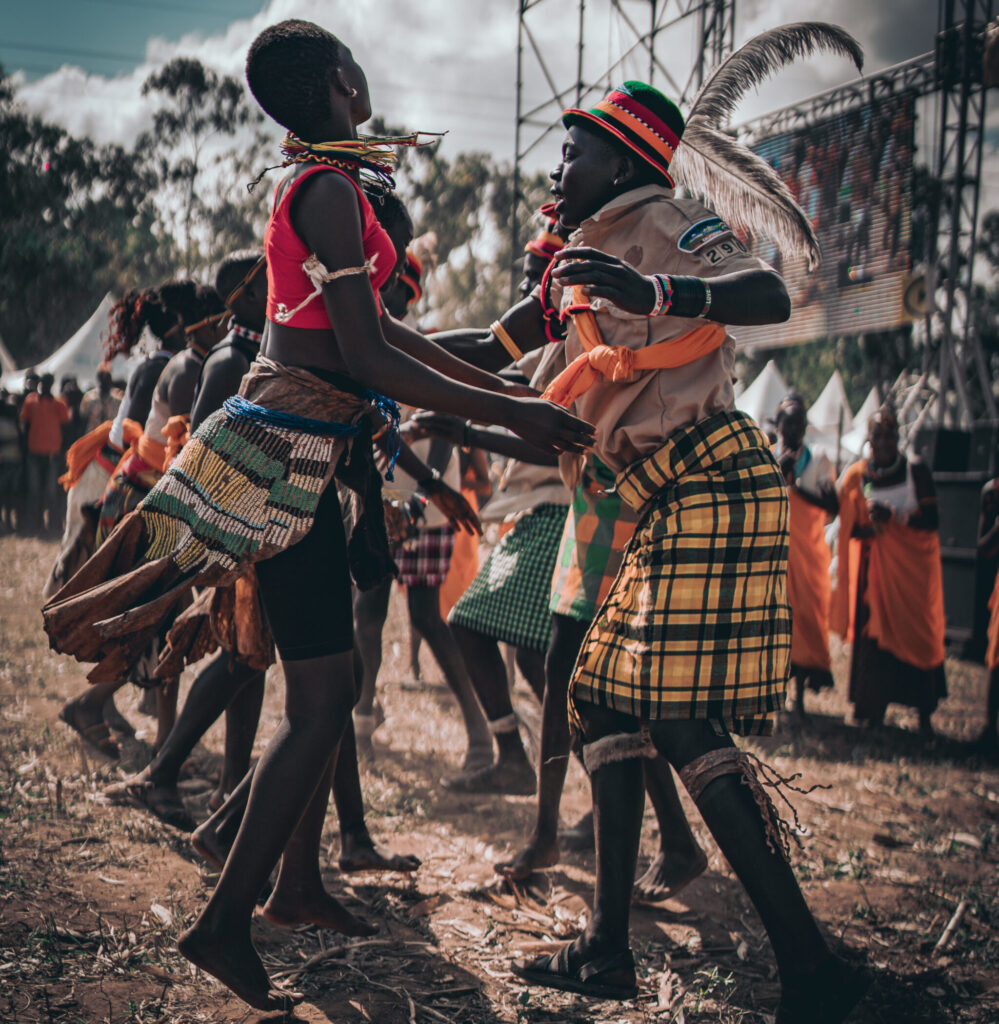
Uganda, often called the “Pearl of Africa,” is a land of breathtaking landscapes, abundant wildlife, and rich cultural diversity. Beyond its stunning natural beauty, Uganda is home to over 56 distinct ethnic groups, each with its own language, traditions, and history. For travelers, immersing themselves in Ugandan culture provides a deeper understanding of the country and its people.
From vibrant traditional dances to historic kingdoms, community projects, and artisanal crafts, Uganda offers a wide range of cultural experiences that can complement any wildlife safari or nature adventure. These experiences not only entertain and educate but also support local communities and help preserve Uganda’s heritage.
At Feather Trail Safaris, we believe that exploring Uganda’s culture is as essential as experiencing its wildlife. In this article, we explore the top cultural experiences, festivals, communities, and destinations that every visitor should consider.
Understanding Uganda’s Cultural Landscape
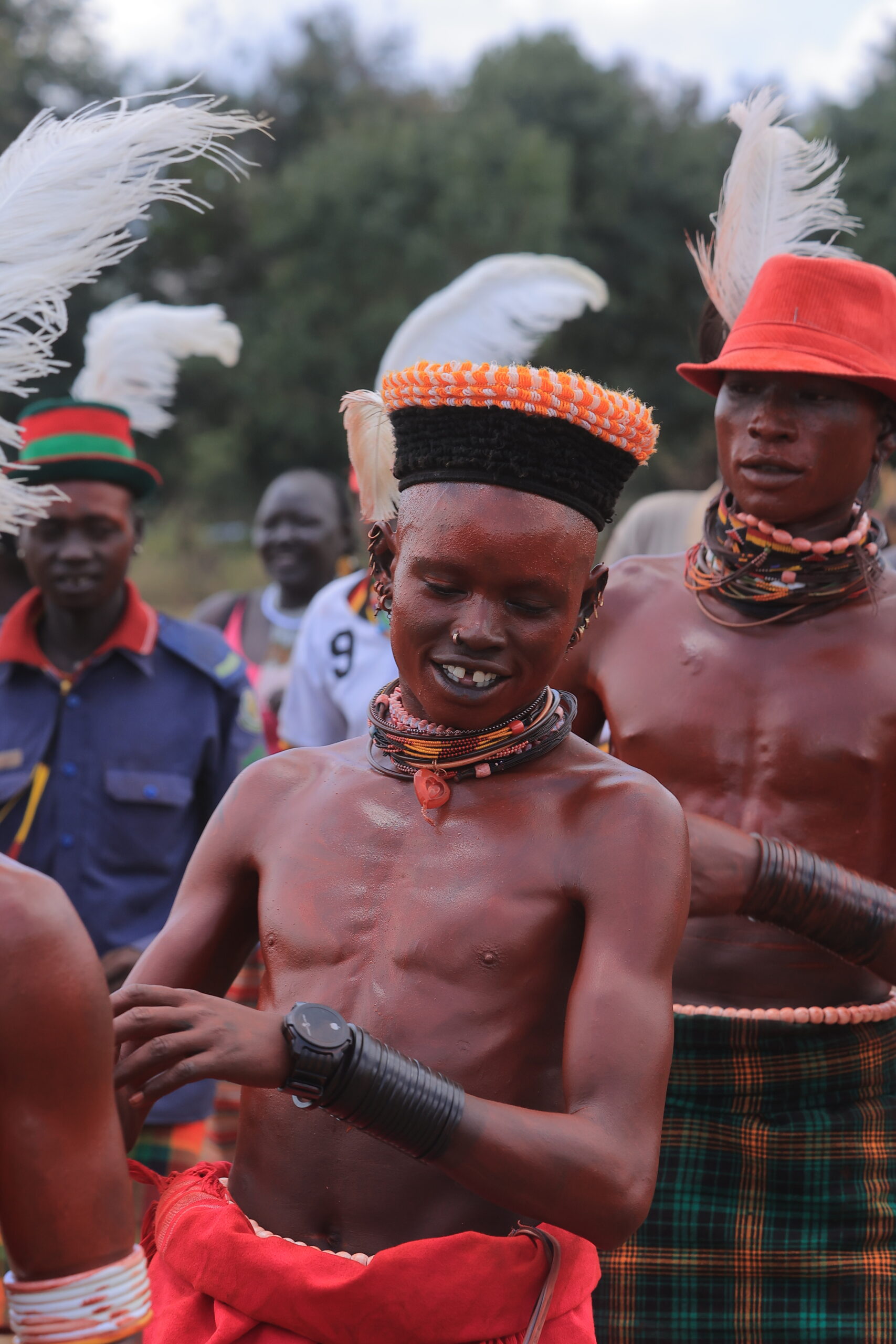
Uganda is a mosaic of cultures shaped by centuries of tradition, migration, and historical kingdoms. Some of the most prominent cultural groups include the Baganda, Basoga, Banyankole, Bakiga, Acholi, and the Batwa, also known as the pygmies of the forests. Each group has distinct practices, ceremonies, and art forms.
-
Languages: Uganda is linguistically diverse, with over 40 languages spoken. English and Swahili are official languages, while each ethnic group maintains its own local language.
-
Traditional Clothing: Many groups have unique attire, often worn during ceremonies and dances. For example, the Baganda men traditionally wear the kanzu, a long white robe, while women wear the gomesi.
-
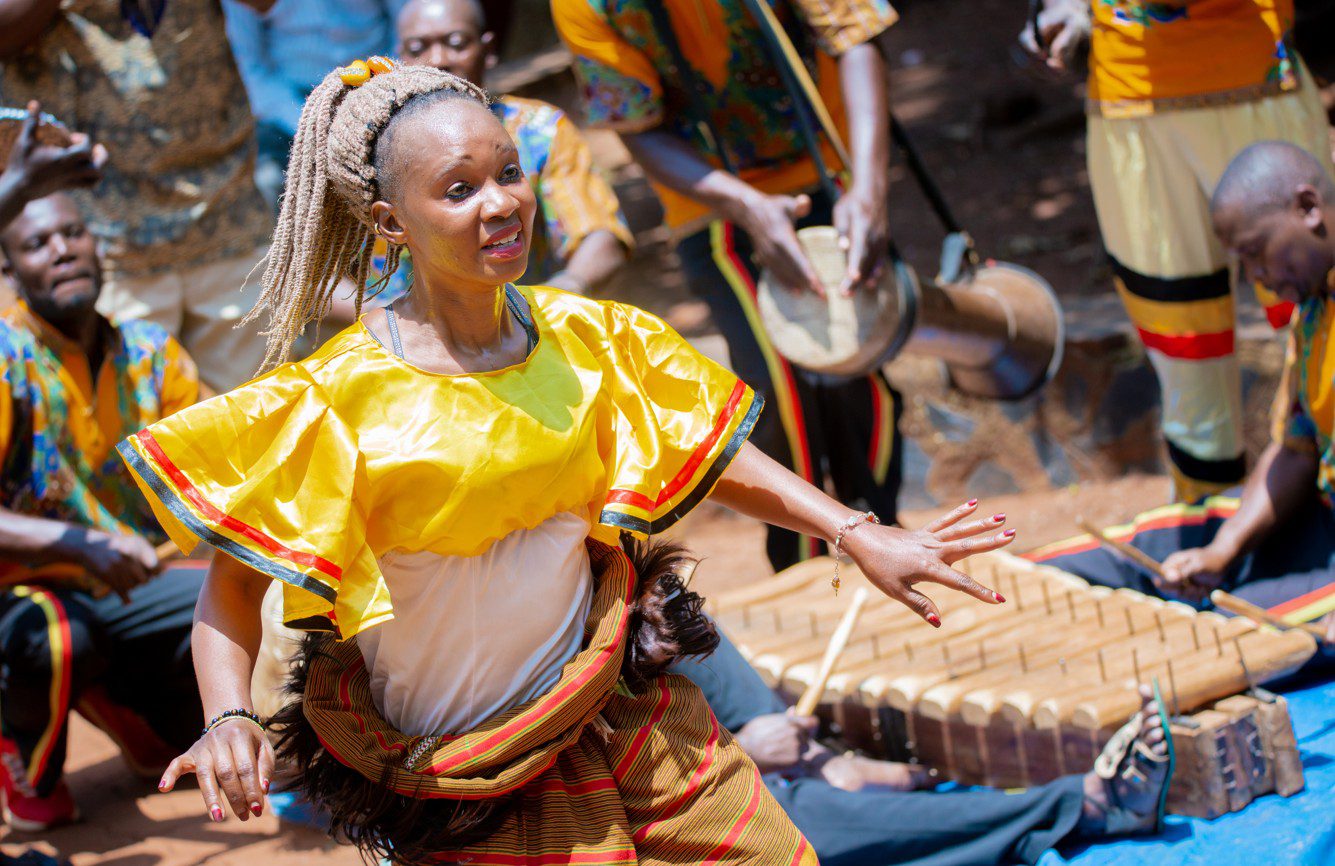
Music and Dance: Dance and music are central to Ugandan culture. Drums, xylophones, and string instruments are common, while dances mark celebrations, harvests, and rites of passage.
Understanding these cultural foundations allows visitors to appreciate the depth of each experience and engage respectfully with local communities.
1. Visiting the Kingdoms of Uganda
Uganda is home to several historic kingdoms, each preserving centuries-old traditions. Visiting these kingdoms offers a unique glimpse into Uganda’s royal heritage.
The Buganda Kingdom
The Buganda Kingdom, centered in Kampala, is the largest and most influential. Its capital, Mengo, houses the Kabaka’s Palace, where the king, or Kabaka, resides. Visitors can explore the palace grounds and witness royal regalia, ceremonial artifacts, and the palace museum.
The Bunyoro-Kitara Kingdom
In western Uganda, the Bunyoro-Kitara Kingdom is a historic power that once ruled much of the Great Lakes region. The Bunyoro Cultural Centre in Hoima showcases traditional crafts, royal artifacts, and oral storytelling traditions.
The Tooro Kingdom
The Tooro Kingdom, in the Fort Portal region, is known for its dramatic hills, caves, and unique rituals. Traditional dances and ceremonies here are a visual feast for visitors.
Visiting Uganda’s kingdoms allows travelers to experience the ceremonial life of the royal courts, witness traditional dances, and interact with cultural custodians who preserve these ancient traditions.
2. Engaging with Local Communities
A highlight of cultural tourism in Uganda is interacting directly with local communities. Many villages offer immersive experiences where visitors can learn traditional skills, participate in daily life, and understand local challenges.
Batwa Cultural Experience
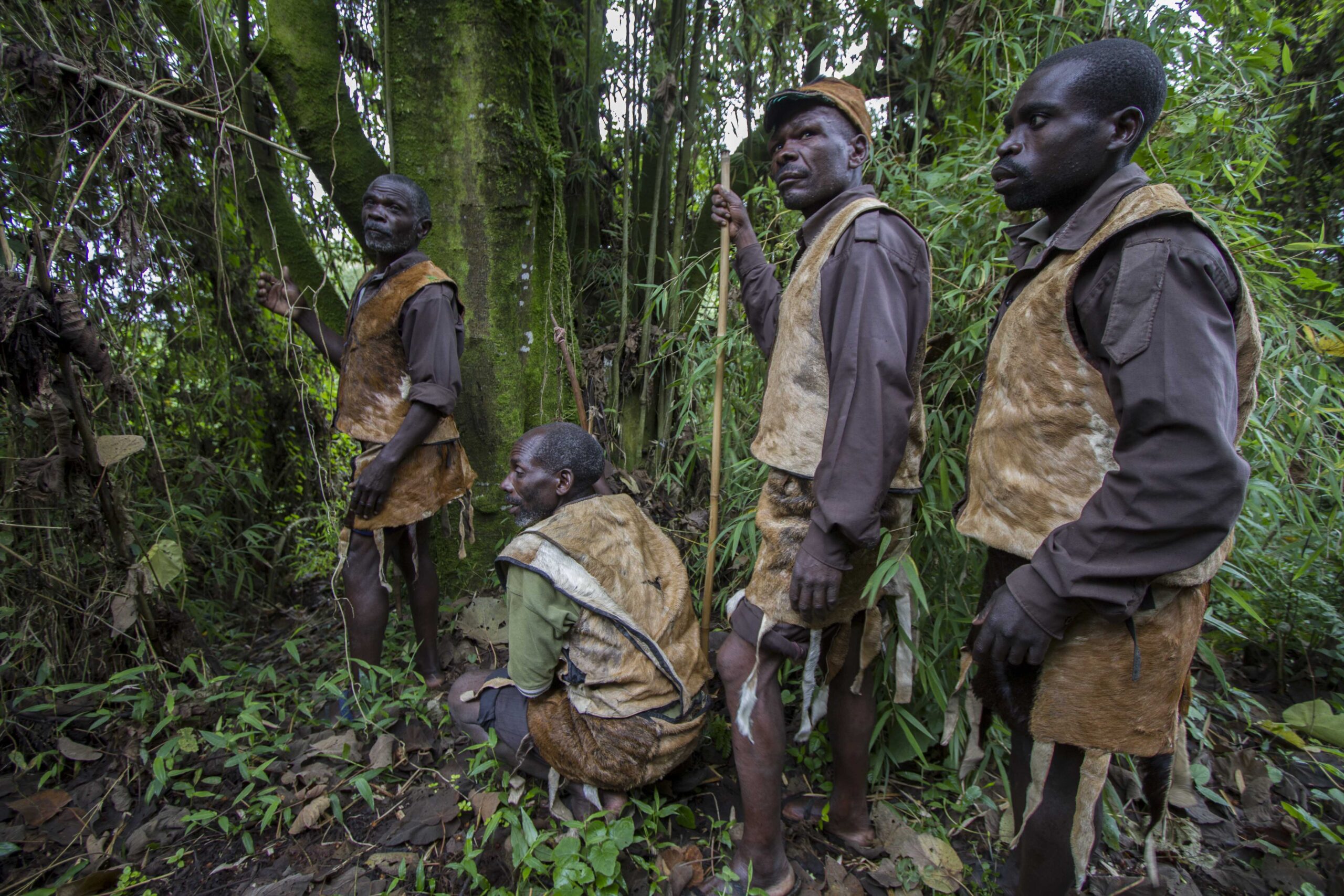
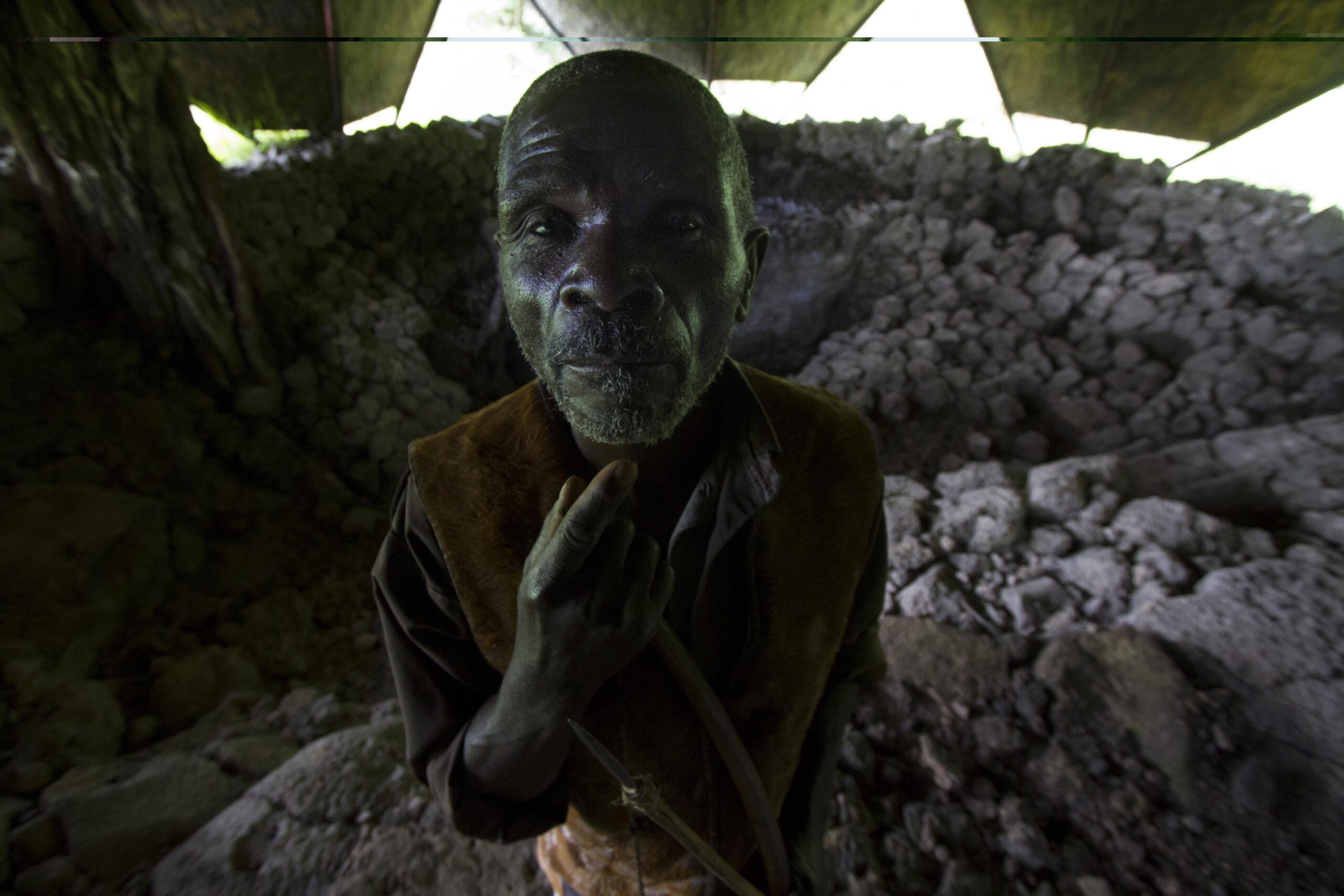
The Batwa pygmies, often called the “people of the forest,” were traditional hunter-gatherers in Uganda’s rainforests. Visiting Batwa communities provides insight into their music, dance, storytelling, and herbal knowledge. Cultural tours are often organized near Bwindi Impenetrable Forest and Mgahinga Gorilla National Park.
Community Craft Villages
In many parts of Uganda, visitors can learn traditional crafts, such as basket weaving, pottery, and beadwork. In eastern Uganda, near Mbale, tourists can visit local artisans producing colorful baskets, mats, and jewelry. Purchasing these crafts directly supports the artisans and their families.
Agricultural Experiences
Many communities welcome visitors to participate in coffee, tea, and banana farming activities. For example, around Sipi Falls, travelers can pick coffee beans, learn the roasting process, and sample freshly brewed coffee while connecting with local farmers.
By spending time in villages, tourists gain firsthand knowledge of Ugandan lifestyles while contributing positively to community development.
3. Traditional Music, Dance, and Festivals
Music and dance are integral to Cultural Experiences in Uganda identity. Each region has its own styles, instruments, and rhythms. Experiencing these performances allows travelers to connect emotionally with Uganda’s heritage.
Traditional Instruments
-
Drums: The drum is central to many Ugandan ceremonies, especially in Buganda and Bunyoro.
-
Adungu: A traditional harp used by the Alur people in northern Uganda.
-
Engoma: Percussion instruments used in royal and community dances.
Dance Performances
-
Bakisimba Dance: From Buganda, performed during celebrations, marriages, and royal events.
-
Amaggunju Dance: Performed by the Banyankole herders, highlighting their pastoral lifestyle.
-
Ekizino Dance: Batwa pygmy dances performed during forest ceremonies.
Festivals
-
Imbalu Festival: A traditional initiation ceremony for the Bagisu in eastern Uganda, where boys celebrate passage into adulthood.
-
Nyangoma Festivals: Gisu drum ceremonies showcasing traditional music and dances.
-
Rwenzori Cultural Festival: A celebration of music, dance, and crafts among the Tooro and Konjo people in western Uganda.
Attending these festivals allows travelers to witness traditions alive and vibrant, making cultural exploration more immersive.
4. Uganda’s Traditional Food Experiences
Ugandan cuisine is a significant part of its culture. Visiting local markets, tasting traditional dishes, and cooking with local families provides insight into daily life and cultural preferences.
Popular Traditional Foods
-
Matoke: Steamed green bananas, a staple across Uganda.
-
Luwombo: A stew of meat, groundnuts, or vegetables steamed in banana leaves.
-
Posho: Maize flour porridge often eaten with beans or vegetables.
-
Rolex: A popular street food combining chapati with eggs and vegetables.
Culinary Tours
Many communities, especially near tourist destinations like Fort Portal or Jinja, offer cooking demonstrations. Visitors can learn to prepare traditional meals while understanding the significance of different foods in local celebrations.
5. Cultural Museums and Heritage Sites
For travelers wanting an educational perspective, Uganda hosts several museums and cultural centers.
Uganda Museum (Kampala)
The Uganda Museum in Kampala is the oldest museum in East Africa, featuring ethnographic collections, traditional musical instruments, and historical artifacts. It provides a comprehensive overview of Uganda’s ethnic diversity.
Ndere Cultural Centre
Located in Kampala, the Ndere Cultural Centre hosts performances of traditional dances, songs, and storytelling, giving tourists a live experience of Uganda’s cultural richness.
Kasubi Tombs
A UNESCO World Heritage Site, the Kasubi Tombs in Kampala are sacred burial grounds of the Buganda kings. The architecture, carvings, and cultural significance make it an essential stop for understanding Buganda heritage.
Cultural Villages
-
Iby’Iwacu Cultural Village (Volcanoes National Park): Visitors can see traditional huts, crafts, and dances.
-
Buhoma Batwa Village (Bwindi Impenetrable Forest): Experience pygmy music, dance, and storytelling.
These sites are valuable for understanding the history, art, and spiritual life of Ugandan communities.
6. Canoeing, Fishing, and Traditional Water Activities
Uganda’s rivers and lakes are central to its cultural identity. Many communities rely on rivers for fishing, canoe building, and trade. Travelers can participate in traditional activities to understand local livelihoods.
Nile Canoeing and Fishing
At Jinja, the source of the Nile offers a unique cultural perspective. Visitors can go traditional canoeing with local fishermen, learning fishing techniques used for generations. Some tours combine this with a visit to riverside villages, coffee plantations, and local markets.
Lake Bunyonyi Cultural Visits
Lake Bunyonyi, in southwestern Uganda, is surrounded by communities that have preserved traditional lifestyles. Tourists can join local farmers, fishers, and artisans, experiencing canoe travel, rice cultivation, and island homestays.
7. How Cultural Tourism Benefits Uganda
Cultural tourism plays a crucial role in Uganda’s socio-economic development. Visiting villages, festivals, and cultural sites provides revenue for local communities, supports artisans, and funds conservation efforts. It also fosters cross-cultural understanding, ensuring that Uganda’s traditions are preserved for future generations.
By booking with reputable tour operators like Feather Trail Safaris, tourists can engage in ethical and responsible cultural tourism that respects the communities while offering immersive experiences.
Planning Your Cultural Tour with Feather Trail Safaris
Feather Trail Safaris offers customized cultural tours across Uganda, designed to balance traditional experiences with comfort and safety. Some key highlights include:
-
Village tours with interactive cultural activities
-
Kingdom visits in Buganda, Bunyoro, and Tooro
-
Batwa pygmy experiences near Bwindi and Mgahinga
-
Traditional music and dance performances
-
Culinary tours and market visits
-
Canoeing and fishing with local communities
Our expert guides ensure that every tour is informative, respectful, and memorable, providing insider knowledge and connecting travelers with authentic Ugandan life.
Conclusion
Uganda’s rich cultural heritage is as captivating as its wildlife and natural landscapes. From vibrant festivals and traditional dances to community visits and culinary experiences, the country offers endless opportunities to explore its cultural diversity. Engaging with local communities, visiting historic kingdoms, and participating in traditional activities allows travelers to leave Uganda not just with memories of wildlife, but with a deeper appreciation of its people and heritage.
Feather Trail Safaris invites you to immerse yourself with Cultural Experiences in Uganda, creating meaningful experiences that go beyond sightseeing. By exploring Uganda’s traditions, you not only enrich your journey but also contribute to the preservation and celebration of this remarkable nation.