
Complete Guide to Planning a Safari in Uganda (2026 Edition)
Planning a safari in Uganda is not just about choosing a destination, it is about preparing for a journey that will immerse you in nature, wildlife, and culture in ways few places on Earth can offer. Uganda, often referred to as the “Pearl of Africa,” is a land of contrasts and harmony, where dense tropical forests meet vast savannah plains, and where some of the world’s most iconic wildlife lives side by side with vibrant local communities.
For many travelers, the idea of an African safari evokes images of endless grasslands and large herds of animals. While Uganda certainly delivers on these expectations, it goes far beyond them. It offers a more intimate, diverse, and deeply engaging experience, one that combines classic wildlife viewing with rare primate encounters, breathtaking landscapes, and meaningful cultural interactions.
To truly enjoy a safari in Uganda, thoughtful planning is essential. Every decision, from when you travel to where you go and how you move between destinations, shapes your experience in profound ways.
Understanding What Makes a Uganda Safari Unique
Unlike more conventional safari destinations, Uganda presents a multi-layered travel experience. Here, a single journey can take you from tracking mountain gorillas in ancient rainforests to watching elephants roam across open plains, and then to cruising along rivers teeming with hippos and crocodiles.
One of the defining highlights of any Ugandan safari is the opportunity to visit Bwindi Impenetrable National Park. This UNESCO World Heritage Site is home to nearly half of the world’s remaining mountain gorillas. Trekking through its dense, mist-covered forest in search of these gentle giants is not simply an activity, it is a deeply moving encounter that often becomes the centerpiece of an entire journey.
Yet Uganda’s richness does not end there. In Kibale National Park, travelers can walk beneath towering trees in search of chimpanzees, listening to their calls echo through the forest canopy. Meanwhile, Queen Elizabeth National Park offers a more traditional safari setting, where lions, elephants, and buffalo roam freely across expansive landscapes, and boat safaris along the Kazinga Channel reveal an astonishing concentration of wildlife along the water’s edge.
Further north, Murchison Falls National Park showcases the raw power of nature, where the Nile River forces its way through a narrow gorge before plunging dramatically over the falls. Each of these destinations contributes a unique chapter to the overall safari experience, making Uganda one of the most diverse and rewarding countries to explore.
Choosing the Right Time to Travel
Timing plays a crucial role in shaping your safari experience. Uganda’s equatorial climate means that temperatures remain relatively consistent throughout the year, but rainfall patterns create distinct travel seasons.
During the dry months, typically from June to September and again from December to February, the landscape becomes more accessible. Trails in forested areas are easier to navigate, making activities such as gorilla trekking and chimpanzee tracking more comfortable. Wildlife viewing in savannah parks is also more rewarding, as animals tend to gather around water sources.
In contrast, the rainy seasons bring a different kind of beauty. The countryside transforms into a lush, vibrant green, and the forests feel even more alive. While trekking conditions can be more challenging, these months often offer a quieter, more exclusive experience, with fewer visitors and a greater sense of solitude.
Ultimately, the best time to visit depends on your priorities. Some travelers value ease and predictability, while others are drawn to the atmosphere and richness that come with the rains.
Designing Your Safari Route
One of the most important aspects of planning a safari in Uganda is deciding how to structure your journey. The country’s compact size allows for a variety of itineraries, but distances between key destinations can still be significant.
A well-planned safari often begins in Entebbe or Kampala, gradually moving westward into the country’s national parks. Many itineraries are designed to create a natural flow, allowing travelers to experience different ecosystems without unnecessary backtracking.
For example, a journey might start with chimpanzee tracking in Kibale National Park, followed by wildlife viewing in Queen Elizabeth National Park, and culminating in gorilla trekking in Bwindi Impenetrable National Park. This progression not only minimizes travel time but also builds anticipation, leading to a powerful climax with the gorilla experience.
Some travelers choose to extend their safari further by visiting Lake Bunyonyi, where the calm waters and scenic surroundings provide the perfect setting for relaxation after days of adventure.
Understanding the Experience of Gorilla Trekking
For many, gorilla trekking is the defining moment of a Ugandan safari. The experience begins early in the morning with a briefing from park rangers, who provide guidance on safety and etiquette.
From there, small groups set out into the forest, guided by trackers who have been monitoring the movements of gorilla families. The trek itself can vary greatly in duration and difficulty, depending on the location of the gorillas on that particular day. It may involve navigating steep slopes, dense vegetation, and occasionally muddy paths.
Yet all of this effort fades into insignificance when the gorillas are finally found. Standing quietly in their presence, observing their interactions and expressions, creates a connection that is both humbling and unforgettable. It is a moment that often leaves travelers with a profound appreciation for the natural world.
Accommodation and Comfort in the Wild
Accommodation in Uganda ranges from simple lodges to luxurious retreats, each offering a different way to experience the wilderness. What unites them is their ability to bring you closer to nature while still providing comfort and hospitality.
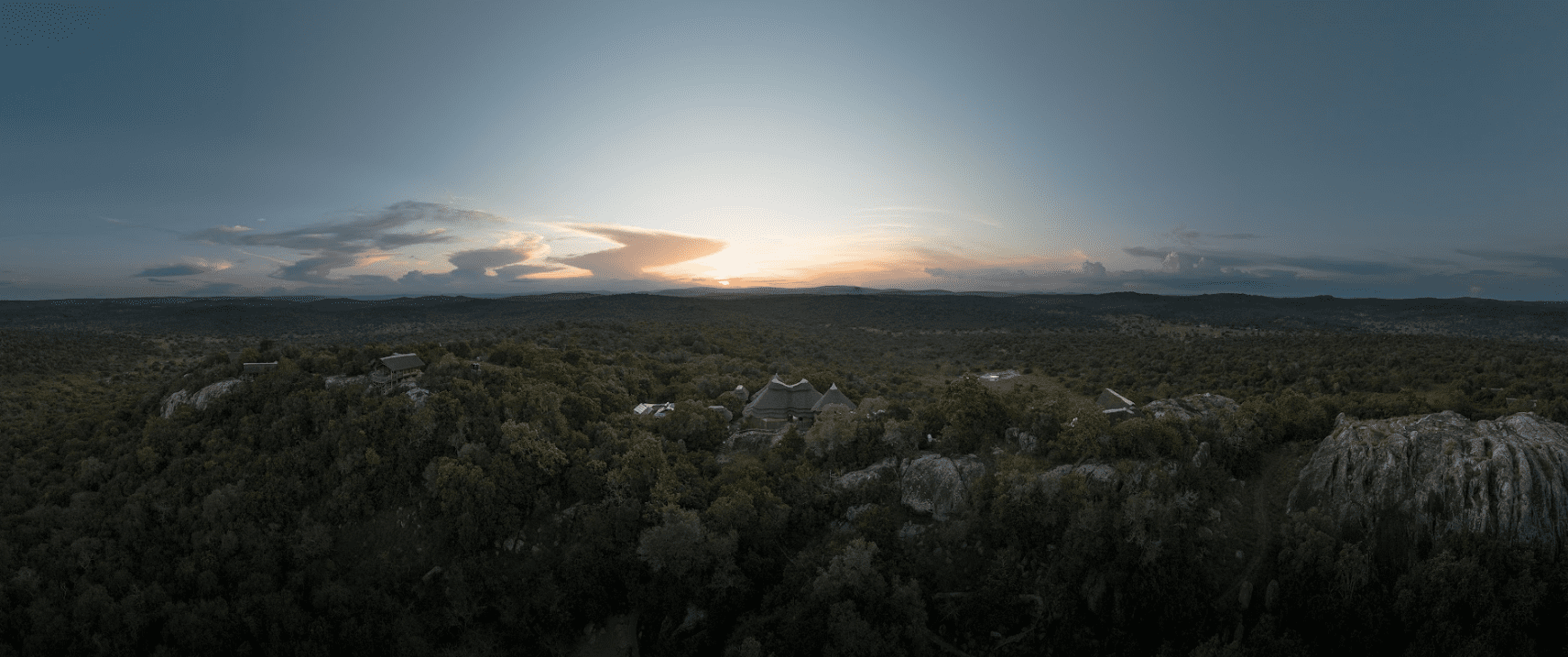
Many lodges are strategically located near national parks, allowing for early access to activities and minimizing travel time. Some are nestled within forest clearings, where the sounds of wildlife become part of your nightly experience, while others overlook rivers or savannah plains, offering stunning views at sunrise and sunset.
Choosing the right accommodation depends not only on budget but also on the kind of atmosphere you wish to experience. Whether you prefer rustic simplicity or refined luxury, Uganda offers options that cater to every style of traveler.
Transportation and Getting Around
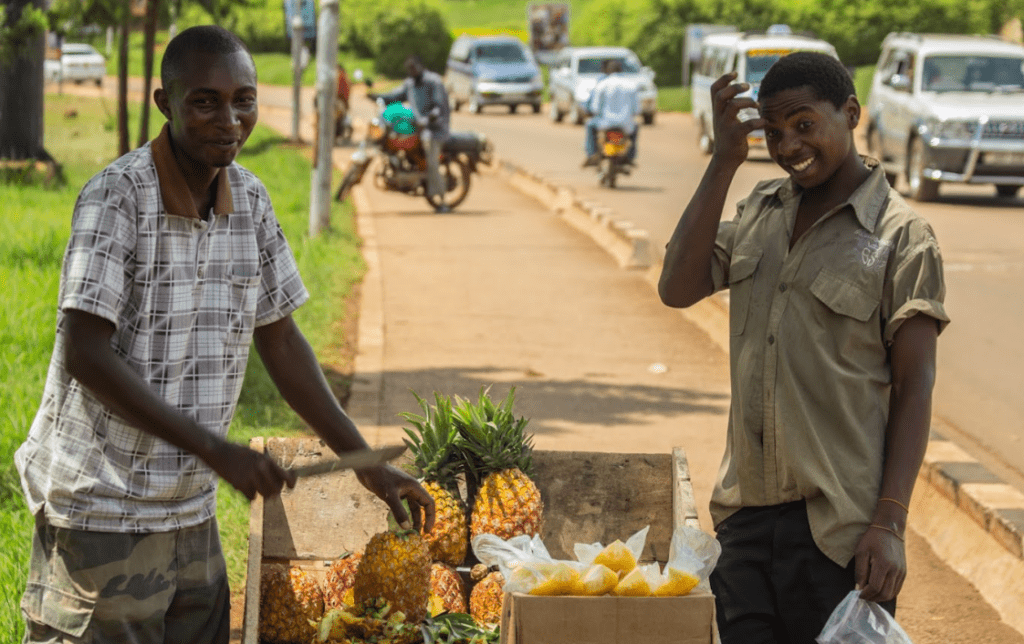
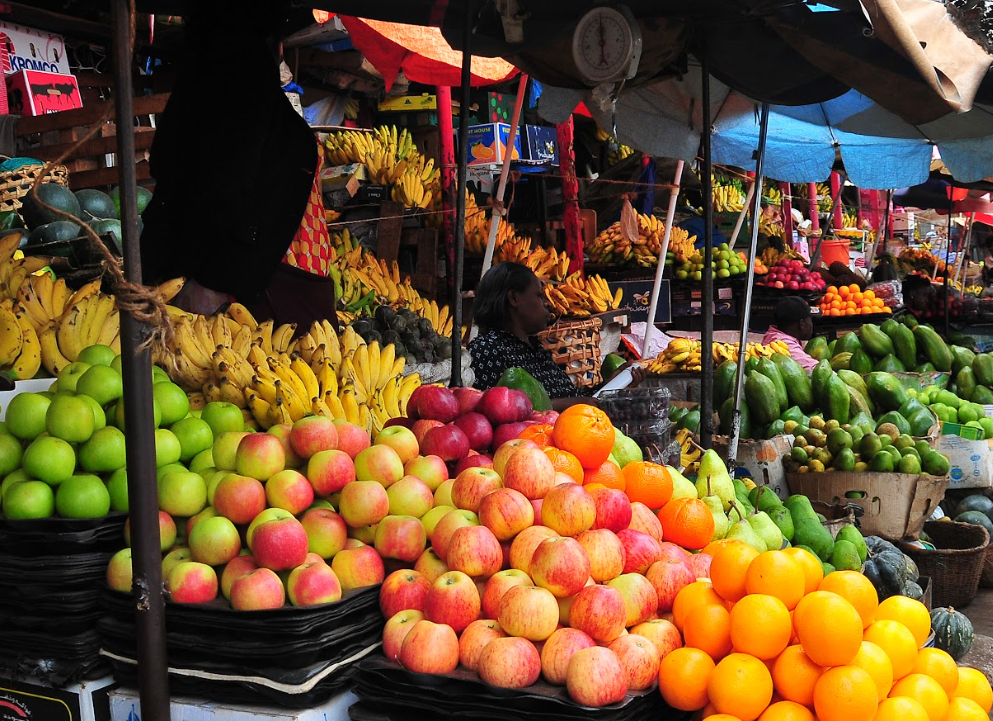
Traveling through Uganda is an adventure in itself. Road journeys offer a chance to witness the country’s landscapes and daily life, from rolling hills and tea plantations to bustling villages and roadside markets.
While road travel is the most common way to move between destinations, domestic flights are also available for those who prefer a quicker and more comfortable option. Flying reduces travel time significantly and allows you to maximize your time within the parks.
Regardless of the mode of transport, the journey is an integral part of the safari experience, providing context and connection to the places you visit.
Preparing for the Journey
A successful safari requires thoughtful preparation. Packing appropriately ensures that you are comfortable in a variety of environments, from humid forests to open savannahs. Lightweight clothing, sturdy footwear, and rain protection are essential, as weather conditions can change quickly.
Equally important is preparing mentally for the experience. A safari in Uganda is not a scripted event, it is a journey into the wild, where unpredictability is part of the charm. Embracing this unpredictability allows you to fully appreciate the authenticity of the experience.
The Role of a Trusted Safari Operator
Planning a safari involves numerous logistical considerations, from securing permits to coordinating transport and accommodation. Working with a knowledgeable and experienced operator like Feather Trail Safaris ensures that these details are handled professionally.
Local expertise makes a significant difference. Guides who understand the terrain, wildlife behavior, and cultural context can enrich your experience in ways that go beyond simple logistics. They help you see more, understand more, and connect more deeply with your surroundings.
Final Reflections
A safari in Uganda is not merely a vacation, it is a journey into one of the most captivating natural environments on Earth. It is a chance to witness wildlife in its purest form, to explore landscapes that feel untouched by time, and to experience a culture that is both welcoming and vibrant.
From the misty forests of Bwindi Impenetrable National Park to the wildlife-rich plains of Queen Elizabeth National Park and the powerful waters of Murchison Falls National Park, every moment of the journey contributes to a story that is uniquely your own.
Start Planning Your Uganda Safari
If you are ready to embark on a safari that combines adventure, discovery, and unforgettable moments, Feather Trail Safaris is here to guide you every step of the way. With carefully crafted itineraries and a deep understanding of Uganda’s landscapes and wildlife, we ensure that your journey is seamless, enriching, and truly extraordinary.
Your adventure in Uganda begins with a single step—and the memories you create will last a lifetime. Contact Us!